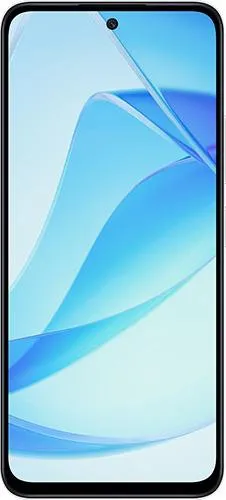
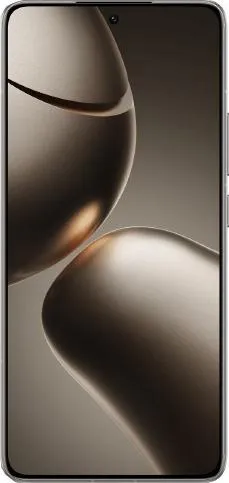
1. Specifications Comparison
| Feature | Xiaomi Redmi 12 5G | Xiaomi 14T Pro | Practical Impact |
|---|---|---|---|
| Design | |||
| Dimensions | 168.6 x 76.3 x 8.2 mm | 160.4 x 75.1 x 8.4 mm | The 14T Pro is slightly shorter and narrower, but a bit thicker. Negligible difference in everyday handling. |
| Weight | 199g | 209g | The 14T Pro is slightly heavier (10g difference), which might be noticeable for some users during extended use. |
| Display | |||
| Display Type | IPS LCD, 90Hz | AMOLED, 144Hz | The 14T Pro's AMOLED display offers significantly better contrast, deeper blacks, and richer colors. The higher refresh rate provides smoother animations and scrolling. |
| Resolution | 1080 x 2460 | 1220 x 2712 | Both offer sharp visuals, but the 14T Pro has a slightly higher resolution and pixel density, leading to a sharper image. |
| Peak Brightness | Not specified | 4000 nits | The 14T Pro's exceptionally high peak brightness ensures excellent outdoor visibility, even in direct sunlight. Missing information for the Redmi 12 5G prevents a direct comparison. |
| Performance | |||
| Chipset | Snapdragon 4 Gen 2 (4nm) | Dimensity 9300+ (4nm) | The Dimensity 9300+ is significantly more powerful, resulting in much faster app loading, smoother multitasking, and better gaming performance. |
| CPU | Octa-core (2x2.2 GHz Cortex-A78 & 6x1.95 GHz Cortex-A55) | Octa-core (1x3.4 GHz Cortex-X4 & 3x2.85 GHz Cortex-X4 & 4x2.0 GHz Cortex-A720) | The 14T Pro's CPU architecture is significantly more powerful and efficient due to the inclusion of Cortex-X4 cores. |
| GPU | Adreno 613 | Immortalis-G720 MC12 | The Immortalis-G720 is a much more capable GPU, delivering significantly improved gaming and graphics performance. |
| RAM/Storage | 128GB/6GB RAM | 512GB/12GB RAM | The 14T Pro offers vastly more storage and RAM, allowing for smoother multitasking, faster app switching, and the ability to store more files and apps. |
| Other | |||
| Battery | 5000 mAh | 5000 mAh | Similar battery capacity, though real-world battery life will depend on usage and the 14T Pro's more powerful components might consume more power. |
| NFC | No | Yes | The 14T Pro supports contactless payments and data transfer via NFC, while the Redmi 12 5G does not. |
| OS | Android 13 | Android 14 | The 14T Pro comes with the latest Android version, offering potential performance improvements, new features, and longer software support. |
| Video Capabilities | 1080p@30fps | Up to 8K@30fps and 1080p@960fps | The 14T Pro offers significantly superior video recording capabilities with higher resolutions, frame rates, and HDR support. |
2. Key Differences Analysis
Xiaomi 14T Pro Advantages:
- Significantly more powerful: The Dimensity 9300+ and Immortalis-G720 offer a substantial performance advantage for demanding tasks and gaming.
- Superior Display: The AMOLED with 144Hz refresh rate and high brightness delivers a vastly improved visual experience.
- More Storage and RAM: The 512GB/12GB configuration offers ample space for apps, files, and smooth multitasking.
- Enhanced Video Recording: Capable of recording up to 8K resolution video.
- NFC Support: Enables contactless payments and data transfer.
Xiaomi Redmi 12 5G Advantages:
- Potentially Lower Price: Being a lower-tier model, it is likely to be more affordable.
3. User Profiles & Recommendations
Xiaomi 14T Pro: Ideal for users who prioritize performance, a premium display, ample storage, future-proof features, and the latest technology. Suitable for demanding tasks like gaming, video editing, and heavy multitasking.
Xiaomi Redmi 12 5G: Best suited for users on a tight budget who primarily use their phone for basic tasks like calling, texting, browsing, and social media.
4. Decision Framework
Key Questions for Buyers:
- What is your budget? The Redmi 12 5G is likely significantly cheaper.
- What are your primary phone usage patterns? For demanding tasks, the 14T Pro is a much better choice.
- How important are display quality, performance, and future-proofing? The 14T Pro significantly outperforms the Redmi 12 5G in these areas.
My Choice: Xiaomi 14T Pro
While the Redmi 12 5G might be a good budget option, the Xiaomi 14T Pro offers a significantly superior overall experience. The substantial performance upgrade, the vastly improved display, larger storage and RAM, and features like NFC make it a much more compelling device for a wider range of users. The price difference is likely justified by the substantial leap in features and performance. While I don't know the exact price difference, the 14T Pro's advancements in key areas like the display, processor, and memory would make it my preferred choice. The enhanced user experience and future-proofing provided by the 14T Pro outweigh the potential cost savings of the Redmi 12 5G.
