1. Specifications Comparison
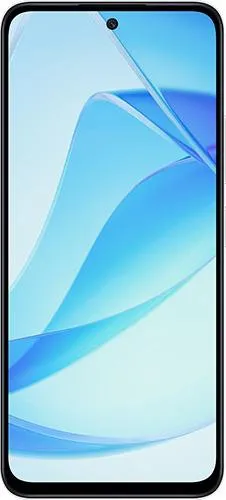
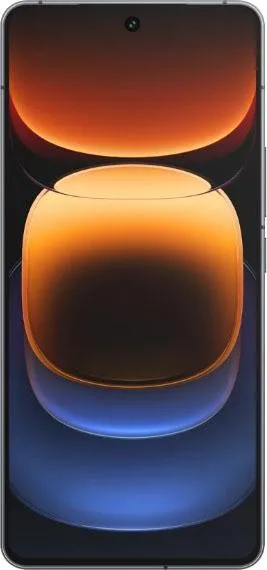
| Feature | Xiaomi Redmi 12 5G | vivo iQOO 12 | Practical Impact |
|---|---|---|---|
| Design | |||
| Dimensions | 168.6 x 76.3 x 8.2 mm | 163.2 x 75.9 x 8.1 mm | iQOO 12 is slightly smaller and thinner. Negligible difference in hand feel. |
| Weight | 199g | 198.5g | Virtually identical weight. |
| Display | |||
| Display Type | IPS LCD | LTPO AMOLED | iQOO 12 offers significantly better contrast, colors, and power efficiency due to AMOLED technology. |
| Display Size | 6.79" | 6.78" | Negligible size difference. |
| Resolution | 1080 x 2460 | 1260 x 2800 | iQOO 12 has a sharper display with higher pixel density (453 vs 396 ppi). |
| Refresh Rate | 90Hz | 144Hz | iQOO 12 provides smoother scrolling and animations due to the higher refresh rate. Noticeable in fast-paced games and UI navigation. |
| Peak Brightness | Not specified | 3000 nits | iQOO 12 will be significantly more readable in direct sunlight. Missing Redmi 12 peak brightness limits comparison. |
| Performance | |||
| Chipset | Snapdragon 4 Gen 2 | Snapdragon 8 Gen 3 | iQOO 12 boasts a flagship-level processor offering significantly faster performance in demanding tasks, gaming, and multitasking. |
| CPU | Octa-core (2x2.2 GHz Cortex-A78 & 6x1.95 GHz Cortex-A55) | Octa-core (1x3.3 GHz Cortex-X4 & 3x3.2 GHz Cortex-A720 & 2x3.0 GHz Cortex-A720 & 2x2.3 GHz Cortex-A520) | iQOO 12 has a much more powerful CPU architecture. |
| GPU | Adreno 613 | Adreno 750 | iQOO 12 offers dramatically better graphics performance for gaming and visually demanding applications. |
| RAM/Storage | 128GB/6GB | 512GB/16GB, 1TB/16GB | iQOO 12 offers significantly more RAM and storage, enabling smoother multitasking and ample space for files and apps. |
| Other | |||
| Battery | 5000 mAh | 5000 mAh | Similar battery capacity. Real-world battery life will depend on usage and the iQOO 12's more power-efficient display might offer an advantage. |
| OS | Android 13 | Android 14 | iQOO 12 ships with the latest Android version and likely longer software support. |
| NFC | No | Yes | iQOO 12 allows for contactless payments and data transfer. |
| Video Capabilities | 1080p@30fps | Up to 8K@30fps | iQOO 12 offers superior video recording capabilities with higher resolution and frame rates including advanced features like EIS. |
2. Key Differences Analysis
Xiaomi Redmi 12 5G Advantages:
- Potentially Lower Price: While both are mid-range, the Redmi 12 5G likely targets a lower price point within that range.
vivo iQOO 12 Advantages:
- Superior Performance: Significantly faster processor and GPU for demanding tasks and gaming.
- Better Display: AMOLED technology with higher resolution, refresh rate, and peak brightness delivers a vastly improved visual experience.
- More RAM and Storage: Provides smoother multitasking and ample space for files.
- Latest OS and Features: Android 14, NFC, and advanced video recording capabilities.
Trade-offs:
- Price: The iQOO 12 is likely to be more expensive given its superior specifications.
3. User Profiles & Recommendations
Redmi 12 5G: Suitable for budget-conscious users who prioritize basic smartphone functionality – calling, texting, web browsing, and casual social media usage.
iQOO 12: Ideal for users who demand high performance for gaming, demanding applications, and multimedia consumption. Also suitable for users who value a premium display, the latest features, and ample storage.
4. Decision Framework
Key Questions for Buyers:
- What is your budget? The iQOO 12 will command a higher price.
- What are your primary smartphone usage patterns? Casual use vs. demanding gaming/multimedia.
- How important is display quality and performance to you? The iQOO 12 significantly outperforms the Redmi 12 in these areas.
My Choice: vivo iQOO 12
While the price isn't specified, the significant performance, display, and feature advantages of the iQOO 12 make it the clear winner for me. The Snapdragon 8 Gen 3, coupled with the 144Hz AMOLED display, ensures a smooth and visually stunning user experience. The increased RAM and storage further enhance multitasking and long-term usability. While the Redmi 12 5G likely serves its purpose as a budget-friendly device, the iQOO 12 provides a substantial upgrade in key areas that significantly impact daily usage. I prioritize a fluid and responsive experience, justifying the likely higher cost of the iQOO 12. The inclusion of NFC for contactless payments adds further value. Finally, future-proofing with Android 14 and likely longer software updates solidifies the iQOO 12 as the better long-term investment.
