1. Specifications Comparison
| Feature | Category | Xiaomi Redmi 12 5G | TCL 50 SE | Practical Impact |
|---|---|---|---|---|
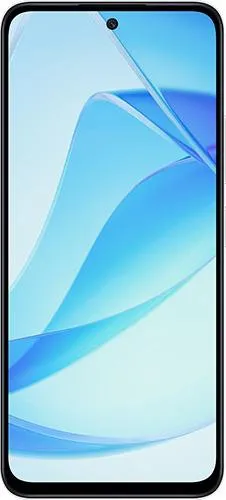
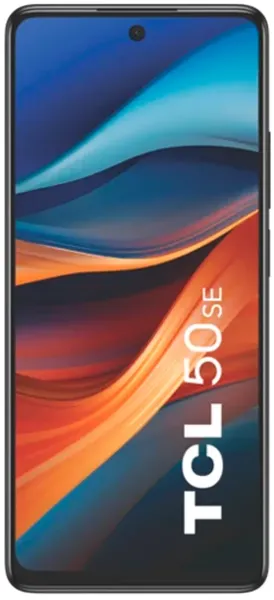
| Dimensions | Design | 168.6 x 76.3 x 8.2 mm | 168.2 x 75.5 x 8.1 mm | Negligible size difference; both are large phones. |
| Weight | Design | 199g | 195g | Virtually identical weight; both feel substantial. |
| Build Materials | Design | Not specified | Not specified | Cannot compare build quality and durability. |
| Display Size | Display | 6.79 inches | 6.78 inches | Essentially the same screen real estate. |
| Display Type | Display | IPS LCD | IPS LCD | Similar color accuracy and viewing angles; expect decent but not flagship-level visuals. |
| Refresh Rate | Display | 90Hz | 90Hz | Both offer smooth scrolling and animations compared to traditional 60Hz displays. |
| Resolution | Display | 1080 x 2460 | 1080 x 2460 | Identical sharpness; expect crisp text and images. |
| Peak Brightness | Display | Not specified | Not specified | Outdoor visibility in direct sunlight cannot be compared. |
| Chipset | Performance | Snapdragon 4 Gen 2 (4nm) | Mediatek Helio G88 (12nm) | Snapdragon 4 Gen 2 offers significantly better performance and efficiency due to the smaller 4nm process. |
| CPU | Performance | Octa-core (2x2.2 GHz Cortex-A78 & 6x1.95 GHz Cortex-A55) | Octa-core (2x2.0 GHz Cortex-A75 & 6x1.8 GHz Cortex-A55) | Redmi 12 should provide faster processing speeds and better multitasking. |
| GPU | Performance | Adreno 613 | Mali-G52 MC2 | Adreno 613 generally offers better gaming performance than the Mali-G52 MC2. |
| RAM | Performance | 6GB | 6GB | Equal RAM capacity; multitasking capabilities should be similar. |
| Storage | Performance | 128GB | 256GB | TCL 50 SE offers double the storage for apps, photos, and videos. |
| Battery Capacity | Battery | 5000mAh | 5010mAh | Negligible difference in battery capacity; expect similar battery life. |
| Charging Speed | Battery | Not specified | Not specified | Cannot compare charging times. |
| OS | Software | Android 13, upgradable to 14 | Android 14 | TCL 50 SE launches with a newer Android version. |
| NFC | Connectivity | No | Yes | TCL 50 SE supports contactless payments and data transfer via NFC. |
| USB | Connectivity | USB Type-C | USB Type-C 2.0 | While both use USB-C, the specific generation on the Redmi 12 is not specified, limiting comparison of data transfer speeds. |
| Sensors | Other | Accelerometer, Compass, Fingerprint (side-mounted) | Accelerometer, Proximity, Compass, Fingerprint (side-mounted) | TCL 50 SE adds a proximity sensor for automatic screen off during calls. |
2. Key Differences Analysis
Xiaomi Redmi 12 5G Advantages:
- Superior Performance: The Snapdragon 4 Gen 2 chipset and Adreno 613 GPU offer a noticeable performance advantage for gaming, multitasking, and overall responsiveness.
- More Efficient Chipset: The 4nm manufacturing process of the Snapdragon chip likely translates to better battery life per mAh compared to the 12nm Helio G88.
TCL 50 SE Advantages:
- Double the Storage: 256GB provides ample space for users who store a lot of media or applications.
- NFC Support: Enables convenient contactless payments and data transfer.
- Newer Android Version out of the box: Ships with Android 14, potentially offering newer features and longer software support.
Trade-offs:
- The Redmi 12 5G prioritizes performance and efficiency but lacks NFC and comes with less storage.
- The TCL 50 SE offers more storage and NFC but compromises on processing power and potentially battery efficiency due to the older chipset technology.
3. User Profiles & Recommendations
Xiaomi Redmi 12 5G: Suitable for users who prioritize performance and smooth user experience for tasks like gaming, web browsing, and app usage. Good for budget-conscious users who don't heavily rely on NFC or require extensive storage.
TCL 50 SE: Ideal for users who prioritize storage capacity for media consumption and appreciate the convenience of NFC for payments. Suitable for users who prioritize out-of-the-box newer OS features over raw performance.
4. Decision Framework
Key Questions for Buyers:
- Is performance a top priority? If yes, the Redmi 12 5G's superior chipset is a crucial advantage.
- Do you need a lot of storage? If yes, the TCL 50 SE's 256GB storage is a significant benefit.
- Is NFC essential for your daily use? If yes, the TCL 50 SE is the only option.
My Choice: Xiaomi Redmi 12 5G
Reasoning: While the TCL 50 SE offers double the storage and NFC, the significantly superior performance and efficiency of the Snapdragon 4 Gen 2 in the Redmi 12 5G are more important to me. I value a smooth and responsive user experience, especially for tasks like gaming and multitasking. I can manage with 128GB of storage and can find alternative solutions for NFC functionalities if needed. The performance difference will likely be noticeable in daily use, making the Redmi 12 5G a better long-term investment for my needs. The newer Android version on the TCL 50 SE is appealing, but the performance difference outweighs that benefit for me.
