1. Specifications Comparison
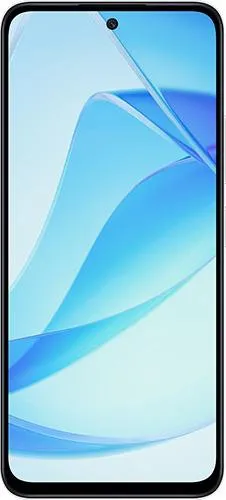
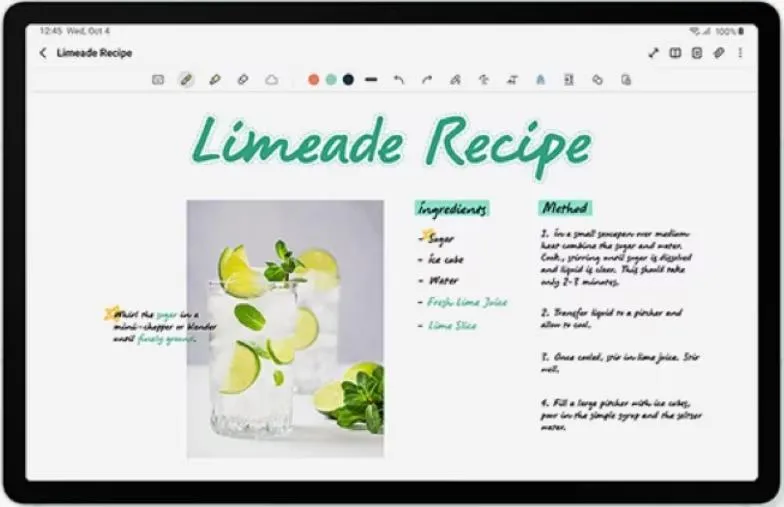
| Feature | Xiaomi Redmi 12 5G | Samsung Galaxy Tab S9 FE+ | Practical Impact |
|---|---|---|---|
| Design | |||
| Dimensions | 168.6x76.3x8.2mm | 285.4x185.4x6.5mm | The Redmi 12 is a typical smartphone size; the Tab S9 FE+ is a large tablet, impacting portability and one-handed use. |
| Weight | 199g | 627g | The Redmi 12 is significantly lighter, making it more comfortable for extended use and pocket portability. |
| Display | |||
| Size | 6.79" | 12.4" | Much larger screen real estate on the Tab S9 FE+ benefits media consumption, multitasking, and productivity but hinders portability. |
| Type | IPS LCD, 90Hz, 550 nits | IPS LCD, 90Hz | Both offer smooth scrolling with 90Hz. Redmi 12 specifies a typical brightness (nits), while Tab S9 FE+'s is unknown. |
| Resolution | 1080x2460 | 1600x2560 | Higher resolution on the Tab S9 FE+ provides sharper visuals on the larger display. However, the Redmi 12 has a higher PPI density. |
| PPI Density | 396 | 243 | Redmi 12's higher PPI results in crisper text and images despite the lower resolution. |
| Performance | |||
| Chipset | Snapdragon 4 Gen 2 | Exynos 1380 | Exynos 1380 generally offers better performance in benchmarks, translating to smoother multitasking and potentially better gaming. |
| CPU | Octa-core (2x2.2 GHz Cortex-A78 & 6x1.95 GHz Cortex-A55) | Octa-core (4x2.4 GHz Cortex-A78 & 4x2.0 GHz Cortex-A55) | Tab S9 FE+'s CPU configuration suggests better performance, especially in demanding tasks. |
| GPU | Adreno 613 | Mali-G68 MP5 | Mali-G68 generally provides stronger graphics performance, beneficial for gaming and graphically intensive applications. |
| RAM/Storage | 128GB/6GB | 256GB/12GB | Tab S9 FE+ offers significantly more storage and RAM, enabling smoother multitasking and handling of larger files and applications. |
| Battery | |||
| Capacity | 5000 mAh | 10090 mAh | Significantly larger battery in the Tab S9 FE+ should provide much longer usage time, crucial for a tablet. |
2. Key Differences Analysis
Xiaomi Redmi 12 5G Advantages:
- Portability: Significantly smaller and lighter, ideal for one-handed use and pocket carry.
- Higher Pixel Density: Sharper screen despite lower resolution.
- Price: Likely more affordable given the "medium price" range and generally lower cost of Xiaomi devices.
Samsung Galaxy Tab S9 FE+ Advantages:
- Larger Display: Immersive experience for media consumption, multitasking, and productivity.
- Powerful Performance: Handles demanding tasks and games with ease.
- Larger Battery: Substantially longer battery life.
- More RAM and Storage: Smoother multitasking and ample space for files and apps.
3. User Profiles & Recommendations
Xiaomi Redmi 12 5G: Suitable for users prioritizing portability, affordability, and everyday tasks like communication, social media, and light browsing.
Samsung Galaxy Tab S9 FE+: Ideal for users who value a large screen for media consumption, productivity (with keyboard accessories), creative tasks, and gaming. Suitable for students, artists, and professionals needing a mobile workspace.
4. Decision Framework
Key Questions:
- What is your primary use case? (e.g., communication, media consumption, productivity)
- How important is portability?
- What is your budget?
Scenario-Based Recommendations:
- Limited budget and need a portable phone for everyday tasks: Redmi 12 5G
- Prioritize a large screen for entertainment and productivity and budget is less of a concern: Tab S9 FE+
My Choice: Samsung Galaxy Tab S9 FE+
While the Redmi 12 5G offers excellent value for its price, I would choose the Samsung Galaxy Tab S9 FE+. The significantly larger display, superior performance, and massive battery are compelling for my usage. I prioritize a device for media consumption, reading, note-taking, and occasional gaming, all of which benefit greatly from the Tab S9 FE+'s features. The portability trade-off is acceptable to me, given the substantial gains in functionality. While the price difference might be considerable, I believe the Tab S9 FE+ offers a more versatile and future-proof experience for my needs.
