1. Specifications Comparison
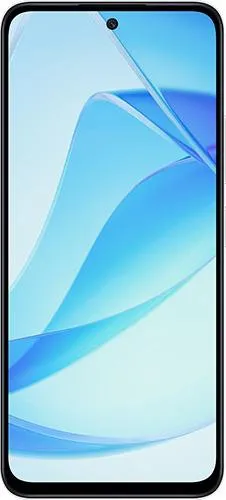
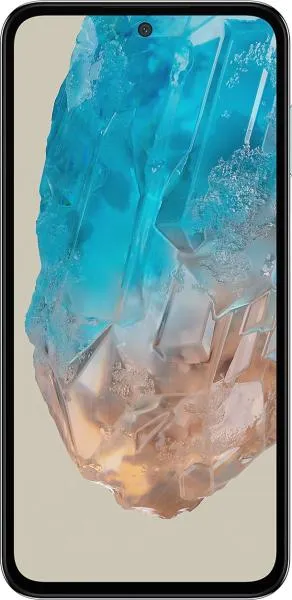
| Feature | Category | Xiaomi Redmi 12 5G | Samsung Galaxy M35 | Practical Impact |
|---|---|---|---|---|
| Dimensions | Design | 168.6 x 76.3 x 8.2 mm | 162.3 x 78.6 x 9.1 mm | The Redmi 12 is slightly taller and narrower, while the Galaxy M35 is thicker. Hand feel will vary, but differences are minor. |
| Weight | Design | 199g | 222g | The Redmi 12 is noticeably lighter, reducing hand fatigue during extended use. |
| Display Type | Display | IPS LCD, 90Hz | Super AMOLED, 120Hz | AMOLED offers deeper blacks, more vibrant colors, and better power efficiency. The higher refresh rate on the M35 results in smoother scrolling and animations. |
| Display Size | Display | 6.79" | 6.6" | Negligible difference in screen real estate. |
| Resolution | Display | 1080 x 2460 | 1080 x 2340 | Very similar pixel density; sharpness will be comparable on both devices. |
| Brightness | Display | 550 nits | 1000 nits (HBM) | The Galaxy M35's significantly higher brightness ensures better visibility in direct sunlight. |
| Chipset | Performance | Snapdragon 4 Gen 2 (4nm) | Exynos 1380 (5nm) | The Exynos 1380 is generally considered a more powerful chipset, offering better performance in demanding tasks and gaming. |
| CPU | Performance | Octa-core (2x2.2 GHz A78 & 6x1.95 GHz A55) | Octa-core (4x2.4 GHz A78 & 4x2.0 GHz A55) | The Galaxy M35's CPU configuration suggests superior multi-core performance due to more high-performance cores. |
| GPU | Performance | Adreno 613 | Mali-G68 MP5 | While specific benchmarks are needed for definitive comparison, the Mali-G68 MP5 generally provides better graphics performance than the Adreno 613. |
| RAM/Storage | Performance | 128GB/6GB | 256GB/8GB | The Galaxy M35 offers significantly more RAM and storage, enabling smoother multitasking and ample space for apps and files. |
| Battery Capacity | Battery | 5000 mAh | 6000 mAh | The Galaxy M35 has a larger battery, potentially leading to longer battery life. Real-world usage will depend on various factors. |
| OS | Software | Android 13 | Android 14 | The M35 ships with a newer Android version, offering potential features and security updates unavailable on the Redmi 12 initially. |
| NFC | Connectivity | No | Yes | NFC enables contactless payments and other convenient features, absent on the Redmi 12. |
| Video Recording | Camera | 1080p@30fps | 4K@30fps, 1080p@60fps, 720p@480fps (all with EIS) | The Galaxy M35 offers significantly better video recording capabilities, including 4K resolution, higher frame rates, and Electronic Image Stabilization (EIS) for smoother footage. |
2. Key Differences Analysis
Xiaomi Redmi 12 5G Advantages:
- Lighter: More comfortable for extended use.
- Potentially More Affordable: While not specified, Redmi phones generally target a lower price point within the "medium price" range.
Samsung Galaxy M35 Advantages:
- Superior Display: AMOLED technology, higher refresh rate, and much higher brightness significantly improve the viewing experience.
- More Powerful Performance: Stronger chipset, CPU, and GPU translate to better gaming, multitasking, and overall responsiveness.
- Larger Battery: Potential for significantly longer usage between charges.
- More RAM and Storage: Smoother multitasking and ample storage capacity.
- NFC: Enables contactless payments and other functionalities.
- Superior Video Recording: Significantly higher resolution, frame rates, and inclusion of EIS.
- Newer Android Version: Access to latest features and security updates.
3. User Profiles & Recommendations
Redmi 12 5G: Budget-conscious users prioritizing basic smartphone functionality, lightweight design, and all-day battery life. Suitable for light usage like calling, texting, browsing, and social media.
Galaxy M35: Users seeking a well-rounded experience with a vibrant display, strong performance for demanding tasks and gaming, extended battery life, ample storage, and the latest features like NFC and high-quality video recording.
4. Decision Framework
Key Questions for Buyers:
- What is your budget? The Redmi 12 5G is likely more affordable.
- What are your primary smartphone usage patterns? Light users might find the Redmi 12 sufficient, while power users would prefer the M35.
- Which features are most important to you? Prioritize display quality, performance, battery life, NFC, or video recording capabilities based on your needs.
My Choice: Samsung Galaxy M35
While price is a factor, the Samsung Galaxy M35 offers significant advantages in crucial areas that enhance the overall user experience. The superior AMOLED display with a 120Hz refresh rate and higher brightness, the more powerful processor and larger RAM/storage combination, the inclusion of NFC, and significantly better video recording capabilities outweigh the weight difference and potential price premium. The longer battery life is also a substantial benefit. Unless budget is extremely tight, the M35 delivers a more compelling overall package for a wider range of users.
