1. Specifications Comparison
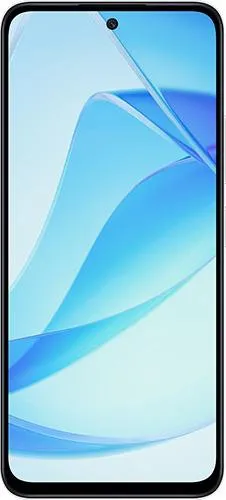
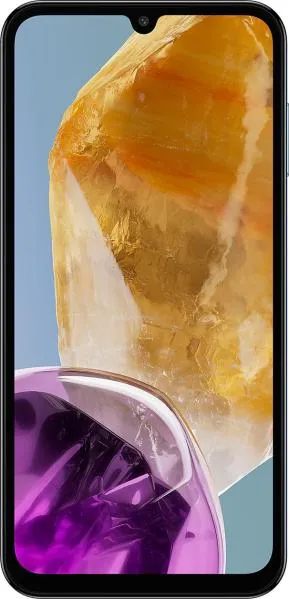
| Feature | Xiaomi Redmi 12 5G | Samsung Galaxy M15 | Practical Impact |
|---|---|---|---|
| Design | |||
| Dimensions | 168.6 x 76.3 x 8.2 mm | 160.1 x 76.8 x 9.3 mm | The Redmi 12 is slightly taller and narrower, but noticeably thinner than the M15. The M15 might feel bulkier in hand. |
| Weight | 199g | 217g | The Redmi 12 is lighter, making it more comfortable for extended use. |
| Build Materials | Not specified | Not specified | Cannot compare build quality and durability without more information. |
| Display | |||
| Display Type | IPS LCD, 90Hz | Super AMOLED, 90Hz | The M15's AMOLED display offers deeper blacks, more vibrant colors, and potentially better power efficiency. |
| Size | 6.79 inches | 6.5 inches | The Redmi 12 provides a larger viewing area, beneficial for media consumption. |
| Resolution | 1080 x 2460 | 1080 x 2340 | Both offer sharp visuals; differences are negligible in practical use. |
| Brightness | 550 nits | 800 nits (HBM) | The M15's higher peak brightness ensures better visibility in direct sunlight. |
| Refresh Rate | 90Hz | 90Hz | Both phones offer smooth scrolling and animations thanks to the 90Hz refresh rate. |
| Performance | |||
| Chipset | Snapdragon 4 Gen 2 (4nm) | Mediatek Dimensity 6100+ (6nm) | The Dimensity 6100+ is generally considered a more powerful chipset, potentially offering better performance in demanding tasks and gaming. |
| CPU | Octa-core (2x2.2 GHz Cortex-A78 & 6x1.95 GHz Cortex-A55) | Octa-core (2x2.2 GHz Cortex-A76 & 6x2.0 GHz Cortex-A55) | While core configurations differ slightly, real-world performance differences might be subtle and depend on optimization. Benchmark scores would offer better comparison. |
| GPU | Adreno 613 | Mali-G57 MC2 | The Mali-G57 MC2 in the M15 likely provides a slight edge in graphics performance, but real-world gaming differences need further investigation. |
| RAM | 6GB | 6GB | Both offer the same amount of RAM, enabling smooth multitasking. |
| Storage | 128GB | 128GB | Both phones offer the same storage capacity. Expandability options are unknown. |
| Battery | |||
| Capacity | 5000 mAh | 6000 mAh | The M15 boasts a significantly larger battery, likely translating to longer battery life. |
| Other Features | |||
| OS | Android 13 | Android 14 | The M15 ships with a newer Android version, offering potential feature and security advantages. |
| NFC | No | Yes | The M15 supports NFC for contactless payments and other functionalities, a significant advantage for some users. |
| USB | USB Type-C | USB Type-C 2.0 | While both use USB-C, the specific USB generation on the Redmi 12 is not listed, limiting comparison of data transfer speeds. USB 2.0 on the M15 indicates a standard transfer speed. |
| Sensors | Accelerometer, Compass, Fingerprint (side-mounted) | Accelerometer, Gyro, Compass, Fingerprint (side-mounted) | The M15 includes a gyroscope sensor, important for AR applications and some games. |
2. Key Differences Analysis
Xiaomi Redmi 12 5G Advantages:
- Lighter and Thinner: More comfortable for one-handed use and carrying.
- Larger Display: More immersive experience for media consumption.
Samsung Galaxy M15 Advantages:
- Superior Display: AMOLED technology delivers richer colors and deeper blacks. Higher brightness improves outdoor visibility.
- More Powerful Chipset: Potentially better performance for demanding tasks and gaming.
- Larger Battery: Significantly longer battery life.
- NFC: Enables contactless payments and other convenient functionalities.
- Newer Android Version: Access to latest features and security updates.
- Gyroscope Sensor: Enables AR applications and enhances gaming experience.
Trade-offs:
- The Redmi 12 sacrifices features like NFC, a larger battery, and a more powerful chipset for a lighter, thinner design and a slightly larger display.
- The M15 is heavier and thicker, but offers a superior display, better performance, longer battery life, and essential features like NFC.
3. User Profiles & Recommendations
Xiaomi Redmi 12 5G: Suitable for users on a tighter budget who prioritize a lightweight, large-screen phone for basic tasks like browsing, social media, and media consumption.
Samsung Galaxy M15: Ideal for users who prioritize performance, battery life, a vibrant display, and features like NFC. Suitable for gaming, multitasking, and mobile photography enthusiasts.
4. Decision Framework
Key Questions for Buyers:
- What is your budget? Both are mid-range, but specific pricing might influence the decision.
- What are your primary use cases? Gaming, photography, and heavy multitasking benefit from the M15's superior performance. Basic usage scenarios might suffice with the Redmi 12.
- Which features are essential? NFC is a crucial factor for some. Battery life and display quality are also major considerations.
Scenario-Based Recommendations:
- Heavy user: The M15 is a better choice for demanding tasks, gaming, and extended battery life.
- Casual user: The Redmi 12 might suffice for basic tasks if budget is a primary concern and NFC is not required.
- Outdoor user: The M15's brighter display is advantageous in sunlight.
My Choice: Samsung Galaxy M15
While the Redmi 12 5G offers a lighter and thinner design with a slightly larger display, the Samsung Galaxy M15 provides a more compelling overall package. The superior AMOLED display, more powerful processor, significantly larger battery, inclusion of NFC, newer Android OS, and the gyroscope sensor outweigh the Redmi's advantages for me. These features significantly enhance daily usability and long-term value. The slightly heavier weight and thicker design are acceptable trade-offs for the substantial gains in performance, features, and battery life. A longer-lasting battery, brighter screen, smoother performance, and contactless payment capability are crucial for my daily usage.
