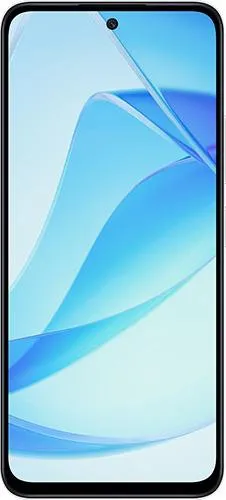
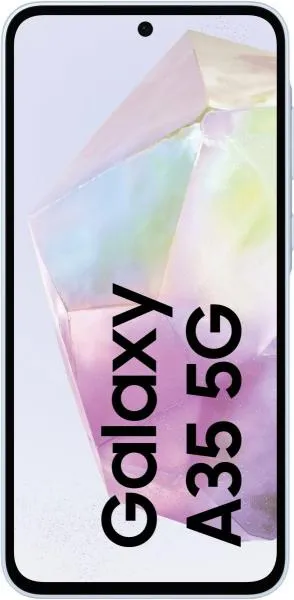
1. Specifications Comparison
| Feature | Xiaomi Redmi 12 5G | Samsung Galaxy A35 | Practical Impact |
|---|---|---|---|
| Design | |||
| Dimensions | 168.6 x 76.3 x 8.2 mm | 161.7 x 78 x 8.2 mm | The A35 is slightly shorter and wider, potentially feeling more compact in hand. |
| Weight | 199g | 209g | The Redmi 12 5G is noticeably lighter, contributing to better one-handed use. |
| Fingerprint Sensor | Side-mounted | Under-display | Preference-dependent; under-display is often perceived as more modern. |
| Display | |||
| Display Type | IPS LCD | Super AMOLED | AMOLED offers deeper blacks, more vibrant colors, and potentially better power efficiency. |
| Display Size | 6.79" | 6.6" | Negligible difference in size; both offer large screens for media consumption. |
| Resolution | 1080 x 2460 | 1080 x 2340 | Similar pixel density; sharpness will be comparable on both devices. |
| Refresh Rate | 90Hz | 120Hz | The A35's 120Hz display will feel smoother for scrolling and gaming. |
| Brightness (Peak) | Not specified | Not specified | Cannot compare peak brightness without data. |
| Performance | |||
| Chipset | Snapdragon 4 Gen 2 (4nm) | Exynos 1380 (5nm) | Exynos 1380 generally benchmarks higher, indicating potentially better performance in demanding tasks and gaming. |
| CPU | Octa-core (2x2.2 GHz A78 & 6x1.95 GHz A55) | Octa-core (4x2.4 GHz A78 & 4x2.0 GHz A55) | The A35 likely offers better multi-core performance due to higher clock speeds and more powerful cores. |
| GPU | Adreno 613 | Mali-G68 MP5 | Mali-G68 MP5 generally offers better graphical performance, beneficial for gaming. |
| RAM | 6GB | 8GB | The A35's extra RAM allows for smoother multitasking and better handling of demanding applications. Storage options for A35 are also better (8GB/256GB) |
| Camera | |||
| Video Capabilities | 1080p@30fps | 4K@30fps, 1080p@60fps (EIS) | A35 offers significantly better video recording capabilities with 4K resolution and image stabilization. |
| Battery | |||
| Capacity | 5000 mAh | 5000 mAh | Similar battery capacity; real-world battery life will depend on software optimization and usage patterns. |
| Other | |||
| OS | Android 13 | Android 14 | A35 launches with a newer Android version and longer OS support (up to Android 18). |
| NFC | No | Yes | NFC enables contactless payments and other convenient features. |
| USB | USB Type-C | USB Type-C 2.0, OTG | A35's USB Type-C 2.0 likely offers faster data transfer speeds. OTG allows connection to peripherals like USB drives. |
2. Key Differences Analysis
Xiaomi Redmi 12 5G Advantages:
- Lighter: Noticeably lighter, improving one-handed comfort.
- Potentially More Affordable: Typically priced lower in the "medium price" range.
Samsung Galaxy A35 Advantages:
- Superior Display: AMOLED technology offers richer colors and deeper blacks. Higher refresh rate provides smoother visuals.
- Better Performance: More powerful chipset and GPU for smoother multitasking and gaming.
- Enhanced Camera: Supports 4K video recording and image stabilization.
- Newer Software and Longer Support: Ships with Android 14 and guaranteed updates up to Android 18.
- Added Features: NFC for contactless payments, faster USB data transfer.
3. User Profiles & Recommendations
Redmi 12 5G: Budget-conscious users prioritizing lightweight design and basic functionality. Suitable for casual usage, web browsing, and social media.
Galaxy A35: Users prioritizing performance, display quality, camera features, and longer software support. Suitable for mobile gaming, media consumption, and those seeking a more future-proof device.
4. Decision Framework
Key Questions:
- What is your budget? The Redmi 12 5G is likely more affordable.
- What are your primary use cases? Gaming and media consumption benefit from the A35's performance and display.
- How important are software updates and future-proofing? The A35 offers longer OS support.
My Choice: Samsung Galaxy A35
While the Redmi 12 5G offers a compelling value proposition with its lightweight design and lower price, the Galaxy A35's superior performance, AMOLED display, enhanced camera capabilities, NFC functionality, and longer software support make it a more well-rounded and future-proof device for my needs. The smoother 120Hz display and more powerful chipset would significantly enhance my daily usage experience, particularly for tasks like gaming and media consumption. Although slightly heavier, the benefits outweigh the minor weight difference. The inclusion of NFC is crucial for my reliance on contactless payments. Finally, the longer software update commitment ensures the device remains secure and functional for a longer period.
