1. Specifications Comparison
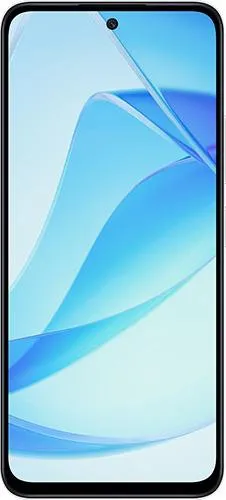
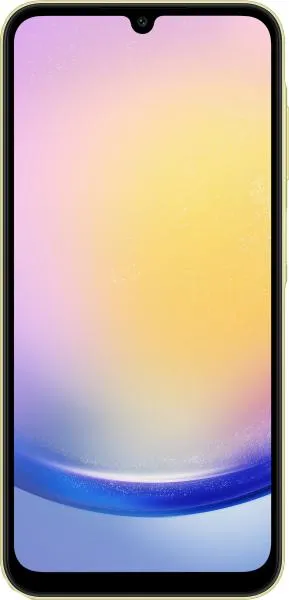
| Feature | Xiaomi Redmi 12 5G | Samsung Galaxy A15 | Practical Impact |
|---|---|---|---|
| Design | |||
| Dimensions | 168.6 x 76.3 x 8.2 mm | 160.1 x 76.8 x 8.4 mm | The Galaxy A15 is slightly shorter and wider but thicker than the Redmi 12. Negligible difference in practical usage. |
| Weight | 199g | 200g | Virtually identical weight, no noticeable difference in hand. |
| Build Materials | Not specified | Not specified | Cannot compare build quality and durability without more information. |
| Display | |||
| Display Type | IPS LCD | Super AMOLED | AMOLED generally offers more vibrant colors, deeper blacks, and better power efficiency. |
| Size | 6.79" | 6.5" | Redmi 12 offers a larger screen for more immersive media consumption. |
| Resolution | 1080 x 2460 | 1080 x 2340 | Similar pixel density, both offer sharp visuals. Redmi 12 slightly taller aspect ratio. |
| Refresh Rate | 90Hz | 90Hz | Both offer smooth scrolling and animations. |
| Brightness | 550 nits (typical) | 800 nits (HBM) | The A15 will be significantly more visible in direct sunlight. |
| Performance | |||
| Chipset | Snapdragon 4 Gen 2 (4nm) | Mediatek Helio G99 (6nm) | Snapdragon 4 Gen 2 is generally considered more power efficient due to the smaller manufacturing process. Performance differences require further benchmarking analysis. |
| CPU | Octa-core (2x2.2 GHz Cortex-A78 & 6x1.95 GHz Cortex-A55) | Octa-core (2x2.2 GHz Cortex-A76 & 6x2.0 GHz Cortex-A55) | While clock speeds are similar, architectural differences between A78 and A76 cores may result in performance variations. Real-world performance depends on optimization. |
| GPU | Adreno 613 | Mali-G57 MC2 | GPU performance differences require further benchmarking analysis. Impacts gaming and graphically demanding tasks. |
| RAM/Storage | 128GB/6GB | 128GB/6GB, 128GB/8GB, 256GB/8GB | A15 offers more RAM and storage configuration options for users needing more multitasking capability or storage space. |
| Battery | |||
| Capacity | 5000 mAh | 5000 mAh | Identical battery capacity suggests similar battery life, although real-world usage will vary depending on other factors. |
| Other | |||
| OS | Android 13 | Android 14 | A15 launches with a newer Android version, potentially offering newer features and longer software support. |
| NFC | No | Yes | A15 supports contactless payments and data transfer via NFC. |
| USB | USB Type-C | USB Type-C 2.0 | A15's USB 2.0 suggests faster data transfer speeds, though real-world differences might be minimal. |
2. Key Differences Analysis
Xiaomi Redmi 12 5G Advantages:
- Larger Display: More immersive experience for media consumption.
- Potentially More Power Efficient: Due to 4nm chipset.
Samsung Galaxy A15 Advantages:
- Brighter Display: Better outdoor visibility.
- AMOLED Display: Richer colors and deeper blacks.
- NFC: Supports contactless payments.
- More RAM/Storage Options: Flexibility for power users.
- Newer Android Version: Latest features and potentially longer software updates.
Trade-offs:
- Redmi 12: Lacks NFC, potentially lower performance compared to A15.
- A15: Smaller display, potentially less power efficient than Redmi 12.
3. User Profiles & Recommendations
Redmi 12 5G: Users prioritizing large screen size for media consumption on a budget, less concerned about NFC or having the absolute latest features.
Samsung Galaxy A15: Users prioritizing display quality, NFC functionality, and longer software updates. Suitable for those who use their phone for mobile payments and prefer vibrant visuals.
4. Decision Framework
Key Questions:
- Is NFC crucial for your daily usage (e.g., mobile payments)?
- Do you prioritize screen size and media consumption or display quality and brightness?
- How important is having the latest Android version and longer software support?
Scenario-Based Recommendations:
- Budget-conscious user needing a large screen: Redmi 12 5G.
- User prioritizing mobile payments and vibrant display: Samsung Galaxy A15.
My Choice: Samsung Galaxy A15
While the Redmi 12 5G offers a larger display, the Samsung Galaxy A15's AMOLED display, brighter screen, NFC functionality, and newer Android version with longer update support make it a more compelling overall package for me. The brighter screen is crucial for outdoor use, and NFC is essential for mobile payments. While benchmark data would be needed to confirm, the slightly older CPU architecture in the A15 is less of a concern to me than these practical advantages. The availability of larger RAM and storage configurations in the A15 also provides valuable future-proofing. I prioritize these features over a slightly larger screen size.
