1. Specifications Comparison
| Feature | Xiaomi Redmi 12 5G | Samsung Galaxy A06 | Practical Impact |
|---|---|---|---|
| Design | |||
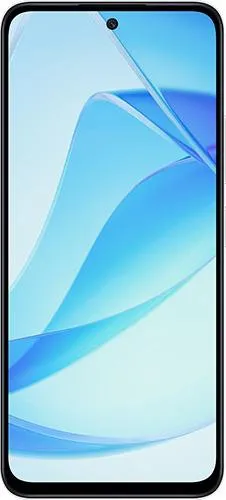
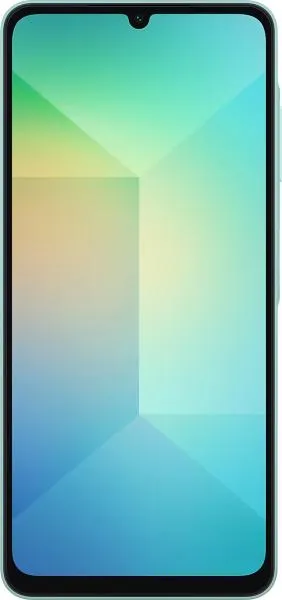
| Dimensions (mm) | 168.6 x 76.3 x 8.2 | 167.3 x 77.3 x 8 | Redmi 12 is slightly taller and thinner. Negligible difference in hand feel. |
| Weight (g) | 199 | 189 | A06 is slightly lighter, but the difference is minimal. |
| Display | |||
| Size (inches) | 6.79 | 6.7 | Negligible difference in screen real estate. |
| Type | IPS LCD, 90Hz | PLS LCD | Redmi 12's 90Hz refresh rate offers smoother scrolling and animations compared to A06's standard 60Hz (assumed). |
| Resolution | 1080 x 2460 | 720 x 1600 | Redmi 12 has a significantly sharper display, resulting in clearer text and images. A06's lower resolution might appear pixelated. |
| PPI | 396 | 262 | Reinforces the sharpness difference; Redmi 12's higher PPI contributes to a more visually pleasing experience. |
| Brightness (nits) | 550 | Not specified | Redmi's specified brightness suggests better visibility outdoors, though real-world performance can vary. A06's lack of data makes comparison impossible. |
| Performance | |||
| Chipset | Snapdragon 4 Gen 2 (4nm) | Helio G85 (12nm) | Redmi 12's more modern and efficient chipset should deliver noticeably better performance and battery life. |
| CPU | Octa-core (2x2.2 GHz A78 & 6x1.95 GHz A55) | Octa-core (2x2.0 GHz A75 & 6x1.8 GHz A55) | Redmi 12's CPU boasts faster cores, translating to quicker app loading, smoother multitasking, and better gaming performance. |
| GPU | Adreno 613 | Mali-G52 MC2 | Redmi 12's GPU should offer superior graphics performance for gaming and visually demanding tasks. |
| RAM | 6GB | 6GB | Equal RAM capacity allows for similar multitasking capabilities. |
| Storage | 128GB | 128GB | Equal storage capacity for apps and files. |
| Camera | |||
| Video Recording | 1080p@30fps | 1080p@30/60fps | While both record at 1080p, A06 offers a 60fps option for smoother video. Detailed camera specifications are missing, limiting a comprehensive comparison. |
| Battery | |||
| Capacity (mAh) | 5000 | 5000 | Equal battery capacity suggests similar potential battery life, though actual usage will depend on other factors like the display and chipset. |
| Software | |||
| OS | Android 13 | Android 14 | A06 ships with a newer Android version, potentially offering newer features and longer software support. Redmi 12 is expected to receive the Android 14 update. |
| Other | |||
| NFC | No | No | Neither phone supports NFC for contactless payments. |
| USB | USB Type-C | USB Type-C 2.0 | While both use USB-C, the specific standard for Redmi 12 isn't mentioned, limiting comparison of data transfer speeds. |
2. Key Differences Analysis
Redmi 12 Advantages:
- Significantly better display: Higher resolution and refresh rate provide a much smoother and sharper visual experience.
- Superior performance: More powerful and efficient chipset results in faster speeds and better multitasking.
- More modern manufacturing process: Smaller 4nm chipset in Redmi 12 generally translates to better battery efficiency and performance compared to the 12nm chipset in the A06.
Galaxy A06 Advantages:
- Newer Android version: Ships with Android 14, offering potential access to newer features and longer software support.
- 60fps video recording: Allows for smoother video capture compared to Redmi 12's 30fps limit.
- Lower Price: Positioned in a lower price bracket, making it a more budget-friendly option.
3. User Profiles & Recommendations
Redmi 12: Users who prioritize performance, display quality, and overall smoother user experience. Suitable for gaming, media consumption, and multitasking.
Galaxy A06: Budget-conscious users who primarily need a basic smartphone for communication, social media, and light tasks. Suitable for users who prioritize affordability over performance.
4. Decision Framework
Key Questions for Buyers:
- What is your budget? The A06 is a lower-priced option.
- What are your primary use cases? For demanding tasks, the Redmi 12 is superior. For basic use, the A06 suffices.
- How important is display quality and performance? The Redmi 12 significantly outperforms the A06 in these areas.
My Choice: Xiaomi Redmi 12 5G
While the Samsung Galaxy A06 offers a newer Android version and a lower price, the Xiaomi Redmi 12 5G is the superior choice for me. Its significantly better display (higher resolution and 90Hz refresh rate), more powerful processor (resulting in smoother performance and better multitasking), and more modern chipset (leading to better battery efficiency) outweigh the A06's advantages. The slightly higher price of the Redmi 12 is justified by the substantial upgrade in overall user experience. A sharper display and a smoother performing phone are crucial for my daily usage, making the Redmi 12 a more worthwhile investment in the long run.
