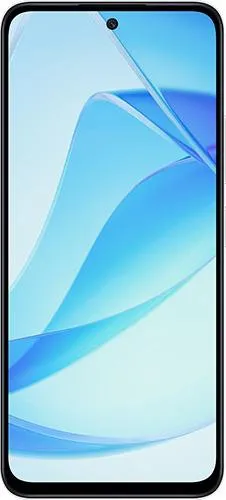
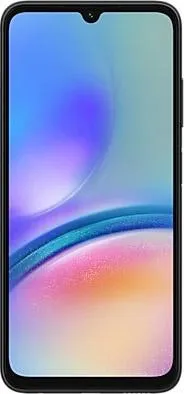
1. Specifications Comparison
| Feature | Xiaomi Redmi 12 5G | Samsung Galaxy A05s | Practical Impact |
|---|---|---|---|
| Design | |||
| Dimensions (mm) | 168.6 x 76.3 x 8.2 | 168 x 77.8 x 8.8 | Redmi 12 is slightly narrower and thinner. A05s is slightly taller and thicker. Negligible difference in hand feel. |
| Weight (g) | 199 | 194 | Redmi 12 is negligibly heavier. |
| Build | Unspecified | Unspecified | Build quality and materials cannot be compared due to lack of information. |
| Display | |||
| Size (inches) | 6.79 | 6.7 | Redmi 12 has a slightly larger display, offering a marginally more immersive experience. |
| Type | IPS LCD | PLS LCD | Both are LCD panels. PLS LCD, developed by Samsung, generally offers slightly better color reproduction and viewing angles than standard IPS LCDs. |
| Resolution | 1080 x 2460 | 1080 x 2400 | Virtually identical resolutions. Sharpness and clarity will be similar on both devices. |
| Refresh Rate (Hz) | 90 | 90 | Both offer smooth scrolling and animations thanks to the 90Hz refresh rate. |
| Peak Brightness (nits) | Unspecified | Unspecified | Outdoor visibility in bright sunlight cannot be compared due to missing data. |
| Performance | |||
| Chipset | Snapdragon 4 Gen 2 (4nm) | Snapdragon 680 4G (6nm) | Snapdragon 680, despite being older, offers better CPU performance in benchmarks. 4 Gen 2 is newer and more power efficient due to the 4nm process. Expect better day-to-day performance and longevity from the 680. |
| CPU | Octa-core (2x2.2 GHz A78 & 6x1.95 GHz A55) | Octa-core (4x2.4 GHz Kryo 265 Gold & 4x1.9 GHz Kryo 265 Silver) | Redmi 12 has faster individual cores (A78), but the Snapdragon 680's architecture is generally more powerful for overall tasks. |
| GPU | Adreno 613 | Adreno 610 | Marginally better GPU performance expected on the Redmi 12, but real-world gaming differences will likely be minor. |
| RAM | 6GB | 4GB/6GB | 6GB RAM variant of A05s provides smoother multitasking compared to the 4GB variant. Redmi 12 only offers a 6GB variant. |
| Storage | 128GB | 128GB | Both offer the same storage capacity. |
| Connectivity | |||
| NFC | No | Yes | Samsung Galaxy A05s supports contactless payments and data transfer via NFC, Redmi 12 does not. |
| USB | USB Type-C | USB Type-C 2.0 | Both use USB-C for charging and data transfer, but the specific USB version on the Redmi 12 is not listed making thorough comparison impossible. |
| 5G | Yes | No | Redmi 12 offers faster cellular data speeds in areas with 5G coverage. |
| Battery | |||
| Capacity (mAh) | 5000 | 5000 | Both have the same battery capacity. Real-world battery life will depend on usage and software optimization. |
2. Key Differences Analysis
Xiaomi Redmi 12 5G Advantages:
- 5G Connectivity: Future-proofs the device for faster mobile data speeds.
- Slightly Larger Display: Offers a marginally more immersive viewing experience. Potentially newer manufacturing process for the chipset (4nm vs 6nm) leading to better battery efficiency.
Samsung Galaxy A05s Advantages:
- NFC: Enables contactless payments and data transfer.
- Potentially Better CPU Performance: Snapdragon 680 generally performs better in benchmark tests.
- 60fps Video Recording: Offers smoother video recording compared to the Redmi 12's 30fps limit.
3. User Profiles & Recommendations
Xiaomi Redmi 12 5G: Users who prioritize 5G connectivity, a slightly larger display, and potentially longer battery life due to the efficient chip. Suitable for those who consume media heavily and need future-proof connectivity.
Samsung Galaxy A05s: Users who prioritize NFC for contactless payments, slightly better CPU performance for smoother multitasking, and potentially better display quality. Suitable for users who rely on mobile payments and need a reliable performer for everyday tasks.
4. Decision Framework
Key Questions for Buyers:
- Is 5G connectivity crucial? If yes, the Redmi 12 5G is the only option.
- Do you frequently use contactless payments? If yes, the Galaxy A05s with NFC is necessary.
- Which is more important: future-proof connectivity or current performance? The Redmi 12 offers 5G but slightly lower performance compared to the A05s.
My Choice: Samsung Galaxy A05s
While the Redmi 12 5G offers tempting future-proofing with 5G, I would choose the Samsung Galaxy A05s. The inclusion of NFC for mobile payments is a crucial feature for my daily use. The Snapdragon 680, despite being older, generally offers a smoother user experience due to its more mature architecture and better CPU performance. While 5G is appealing, widespread, reliable 5G coverage is still not a reality in many areas. The practical benefits of NFC and a smoother user experience outweigh the potential benefits of 5G in my current situation. Furthermore, the possibility of a better display (PLS LCD) albeit subjective, combined with the option for 60fps video recording make the A05s a more well-rounded device for my needs.
