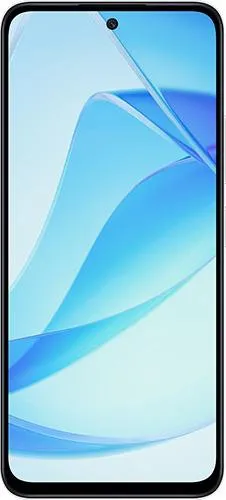
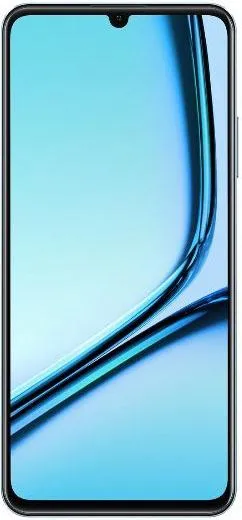
1. Specifications Comparison
| Feature | Xiaomi Redmi 12 5G | Realme Note 50 | Practical Impact |
|---|---|---|---|
| Design | |||
| Dimensions | 168.6 x 76.3 x 8.2 mm | 167.2 x 76.7 x 8 mm | Negligibly different in size and feel |
| Weight | 199g | 186g | Redmi 12 is slightly heavier |
| Build Materials | Not specified | Not specified | Cannot compare build quality |
| Display | |||
| Size | 6.79" | 6.74" | Negligibly different in size |
| Type | IPS LCD, 90Hz | IPS LCD, 90Hz | Both offer smooth scrolling and animations |
| Resolution | 1080 x 2460 (FHD+) | 720 x 1600 (HD+) | Redmi 12 has significantly sharper visuals, better for media consumption |
| PPI | 396 | 260 | Noticeably lower pixel density on Realme Note 50; text and images will appear less sharp |
| Peak Brightness | Not specified | 560 nits | Realme Note 50's known peak brightness ensures better outdoor visibility |
| Performance | |||
| Chipset | Snapdragon 4 Gen 2 (4nm) | Unisoc Tiger T612 (12nm) | Redmi 12 likely offers better performance and efficiency due to a more advanced and smaller node process |
| CPU | Octa-core (2x2.2 GHz Cortex-A78 & 6x1.95 GHz Cortex-A55) | Octa-core (2x1.8 GHz Cortex-A75 & 6x1.8 GHz Cortex-A55) | Redmi 12 has faster and more powerful CPU cores, resulting in smoother multitasking and faster app loading |
| GPU | Adreno 613 | Mali-G57 | Redmi 12 likely has a more capable GPU, resulting in better gaming performance |
| RAM | 6GB | 4GB | Redmi 12 offers more RAM, enabling better multitasking and smoother performance with multiple apps |
| Storage | 128GB | 128GB | Equal storage capacity |
| Battery | |||
| Capacity | 5000 mAh | 5000 mAh | Similar battery life expected, but real-world usage may vary due to chipset efficiency |
| Other | |||
| OS | Android 13 | Android 13 | Similar software experience |
| NFC | No | No | Neither phone supports contactless payments |
| USB | USB Type-C | USB Type-C 2.0 | While both use USB-C, specific data transfer speeds for the Redmi 12 are not listed, limiting a full comparison. |
| Sensors | Accelerometer, Compass, Fingerprint (side-mounted) | Accelerometer, Proximity, Compass, Fingerprint (side-mounted) | Realme Note 50 adds a proximity sensor for automatic screen off during calls. |
2. Key Differences Analysis
Xiaomi Redmi 12 5G Advantages:
- Significantly better display: Higher resolution and PPI translate to sharper visuals.
- Superior performance: More powerful chipset, CPU, and GPU for smoother overall experience.
- More RAM: Better multitasking capabilities.
Realme Note 50 Advantages:
- Lighter weight: Slightly more comfortable for extended use.
- Known peak brightness: Better outdoor visibility.
- Lower price: Offers a more budget-friendly option.
Trade-offs:
- Redmi 12: Higher price for better performance and display.
- Realme Note 50: Compromises on display sharpness and performance for a lower price.
3. User Profiles & Recommendations
Xiaomi Redmi 12 5G: Suitable for users who prioritize performance, a sharp display for media consumption, and smoother multitasking. Good for gaming, streaming, and general use.
Realme Note 50: Best suited for budget-conscious users who prioritize basic functionality like calling, texting, and light web browsing. Acceptable for users who are not demanding in terms of performance or visual quality.
4. Decision Framework
Key Questions for Buyers:
- What is your budget? The Realme Note 50 is significantly cheaper.
- How important is display quality? The Redmi 12 offers a much sharper display.
- What kind of tasks will you be performing? The Redmi 12 is better for demanding tasks like gaming and multitasking.
Scenario-Based Recommendations:
- Tight budget, basic usage: Realme Note 50
- Balanced performance and price: Xiaomi Redmi 12 5G
- Focus on gaming and media consumption: Xiaomi Redmi 12 5G
My Choice: Xiaomi Redmi 12 5G
While I don't have a specific budget limitation in this hypothetical scenario, the superior display and performance of the Redmi 12 5G are compelling. The sharper resolution and more powerful processor would provide a significantly better user experience for everyday tasks, media consumption, and even light gaming. The slightly higher weight and unknown peak brightness are minor compromises compared to the substantial gains in other areas. The difference in chipset fabrication (4nm vs 12nm) also points to significantly better battery life and thermal management in the Redmi 12. In the long run, I believe the Redmi 12 5G would offer a more satisfying and future-proof experience.
