1. Specifications Comparison
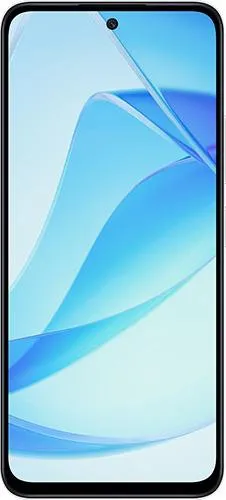
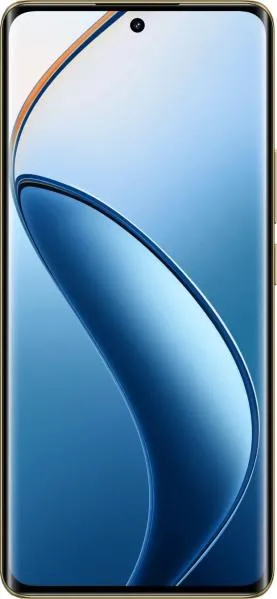
| Feature | Xiaomi Redmi 12 5G | Realme 12 Pro | Practical Impact |
|---|---|---|---|
| Design | |||
| Dimensions | 168.6 x 76.3 x 8.2 mm | 161.5 x 74 x 8.8 mm | Realme 12 Pro is slightly shorter, narrower, but thicker. |
| Weight | 199g | 190g | Realme 12 Pro is slightly lighter. Negligible difference in daily use. |
| Fingerprint Sensor | Side-mounted | Under-display | Preference-based. Under-display is often considered more modern. |
| Display | |||
| Display Type | IPS LCD | AMOLED | Realme 12 Pro offers deeper blacks, more vibrant colors, and better power efficiency in dark mode due to AMOLED technology. |
| Display Size | 6.79" | 6.7" | Negligible size difference. |
| Resolution | 1080 x 2460 | 1080 x 2412 | Virtually identical resolutions, resulting in similar sharpness. |
| Refresh Rate | 90Hz | 120Hz | Realme 12 Pro offers smoother scrolling and animations due to the higher refresh rate. |
| Peak Brightness | Not specified | 950 nits | Realme 12 Pro will be significantly more readable in direct sunlight. The lack of peak brightness specification for the Redmi 12 5G makes a direct comparison impossible. |
| Performance | |||
| Chipset | Snapdragon 4 Gen 2 | Snapdragon 6 Gen 1 | Realme 12 Pro has a significantly more powerful chipset, resulting in better performance in demanding tasks and gaming. |
| CPU | Octa-core (2x2.2 GHz Cortex-A78 & 6x1.95 GHz Cortex-A55) | Octa-core (4x2.2 GHz Cortex-A78 & 4x1.8 GHz Cortex-A55) | The different core configurations suggest the Realme 12 Pro will have a performance advantage in multi-core tasks. |
| GPU | Adreno 613 | Adreno 710 | Realme 12 Pro has a more powerful GPU, leading to better gaming performance and smoother graphics rendering. |
| RAM/Storage | 128GB/6GB | 256GB/8GB | Realme 12 Pro offers double the storage and more RAM, enabling better multitasking and more space for apps and files. |
| Camera | |||
| Video Capabilities | 1080p@30fps | 4K@30fps, 1080p@ up to 120fps | Realme 12 Pro offers significantly better video recording capabilities with higher resolution and frame rate options, including slow-motion recording. |
| Battery | |||
| Capacity | 5000 mAh | 5000 mAh | Identical battery capacities suggest similar battery life, but real-world usage will depend on other factors like display type and chipset efficiency. |
| Other | |||
| OS | Android 13 | Android 14 | Realme 12 Pro comes with a newer Android version out of the box, potentially offering newer features and longer software support. |
| NFC | No | Yes | Realme 12 Pro supports contactless payments and data transfer via NFC. |
| USB | USB Type-C | USB Type-C 2.0 | While both use USB-C, the specification for Redmi 12 lacks details to compare data transfer speeds. |
2. Key Differences Analysis
Realme 12 Pro Advantages:
- Superior Display: AMOLED with 120Hz refresh rate and higher peak brightness provides a significantly better visual experience.
- Stronger Performance: Snapdragon 6 Gen 1 chipset and more RAM offer smoother multitasking and better gaming performance.
- Enhanced Camera Features: 4K video recording and slow-motion capabilities provide more versatile video recording options.
- NFC Functionality: Enables contactless payments and data transfer.
- Newer Android Version: Android 14 out of the box, likely with longer software support.
Xiaomi Redmi 12 5G Advantages:
- Potentially Lower Price: While not explicitly stated, Redmi phones generally target a more budget-conscious market segment.
3. User Profiles & Recommendations
Realme 12 Pro: Users who prioritize display quality, performance, camera features, and modern conveniences like NFC. Ideal for mobile gaming, content consumption, and mobile photography/videography.
Xiaomi Redmi 12 5G: Users on a tight budget who prioritize basic functionality and 5G connectivity. Suitable for everyday tasks like browsing, social media, and communication.
4. Decision Framework
Key Questions for Buyers:
- What is your budget? The Redmi 12 5G is likely to be more affordable.
- What are your primary use cases? For demanding tasks, the Realme 12 Pro is better equipped.
- Which features are most important to you? Prioritize display, performance, camera, or NFC based on your needs.
My Choice: Realme 12 Pro
While lacking specific pricing information, the Realme 12 Pro offers a significantly superior user experience in almost every aspect. The AMOLED display, 120Hz refresh rate, powerful chipset, enhanced camera features, NFC functionality, and newer Android version make it a compelling choice. Even if the price is higher, the value proposition of the Realme 12 Pro, based on the provided specifications, significantly outweighs the Redmi 12 5G. The performance and display upgrades alone justify the choice for a user who engages in anything beyond basic smartphone usage.
