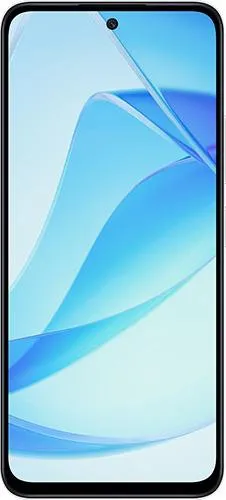
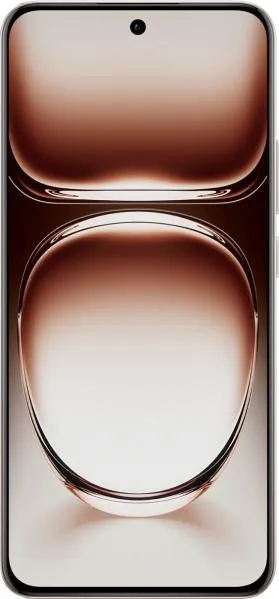
1. Specifications Comparison
| Feature | Xiaomi Redmi 12 5G | Oppo Reno12 | Practical Impact |
|---|---|---|---|
| Design | |||
| Dimensions | 168.6 x 76.3 x 8.2 mm | 161.4 x 74.1 x 7.6 mm | The Oppo Reno12 is noticeably smaller and thinner, making it potentially more comfortable for one-handed use and pocket portability. |
| Weight | 199g | 177g | The Reno12 is lighter, further enhancing its portability and reducing hand fatigue during extended use. |
| Build Materials | Not specified | Not specified | Cannot compare without material information. |
| Display | |||
| Display Type | IPS LCD | AMOLED | AMOLED offers deeper blacks, more vibrant colors, and better power efficiency in displaying dark content. |
| Size | 6.79" | 6.7" | Negligible difference in screen real estate. |
| Resolution | 1080 x 2460 | 1080 x 2412 | Virtually identical resolutions; sharpness will be similar on both devices. |
| Refresh Rate | 90Hz | 120Hz | The Reno12's 120Hz refresh rate will provide smoother scrolling and animations, leading to a more fluid user experience. |
| Peak Brightness | Not specified | 1200 nits | The Reno12's significantly higher peak brightness ensures excellent outdoor visibility, even in direct sunlight. The Redmi 12's unspecified brightness could be a disadvantage in bright conditions. |
| Performance | |||
| Chipset | Snapdragon 4 Gen 2 | Dimensity 7300 Energy | The Dimensity 7300 Energy is generally considered a more powerful chipset, likely leading to better performance in demanding tasks and gaming. |
| CPU | Octa-core (2x2.2 GHz Cortex-A78 & 6x1.95 GHz Cortex-A55) | Octa-core (4x2.5 GHz Cortex-A78 & 4x2.0 GHz Cortex-A55) | The Reno12's CPU configuration, with more powerful cores, suggests superior multi-tasking and app loading speeds. |
| GPU | Adreno 613 | Mali-G615 MC2 | While specific benchmarks are needed for definitive comparison, the Mali-G615 MC2 in the Reno 12 likely offers better graphical performance for gaming. |
| RAM/Storage | 128GB/6GB | 512GB/12GB | The Reno12 provides significantly more storage and RAM, allowing for more app installations, smoother multitasking, and less frequent need to delete files. |
| Camera | |||
| Video Capabilities | 1080p@30fps | Up to 4K@30fps, slow-motion up to 960fps | The Reno12 offers significantly better video recording capabilities with higher resolution, frame rates, and features like HDR, OIS, and EIS for stabilized and high-quality footage. |
| Other Camera Specs | Not specified | Not specified | Cannot compare without detailed camera sensor and lens information. |
| Battery | |||
| Capacity | 5000 mAh | 5000 mAh | Identical battery capacities suggest similar battery life, although actual usage will depend on other factors like display and chipset efficiency. |
| Other | |||
| OS | Android 13 | Android 14 | The Reno12 ships with a newer Android version, potentially offering newer features and longer software support. |
| NFC | No | Yes | NFC enables contactless payments and other convenient features like quick pairing with compatible devices. |
| USB | USB Type-C | USB Type-C 2.0, OTG | Both have USB-C for fast charging and data transfer, but the Reno12's OTG support allows connection to peripherals like USB drives. |
2. Key Differences Analysis
Xiaomi Redmi 12 5G Advantages:
- Potentially Lower Price: While not specified, Redmi phones are generally known for their affordability.
Oppo Reno12 Advantages:
- Superior Display: AMOLED with 120Hz refresh rate and high brightness.
- More Powerful Performance: Better chipset, CPU, and GPU for smoother operation and gaming.
- Larger Storage and RAM: More space for apps and files, better multitasking.
- Significantly Better Video Recording: Higher resolution, frame rates, and stabilization.
- Newer OS with Longer Support: Android 14 with potential for longer updates.
- Added Features: NFC for contactless payments, OTG for peripheral connection.
Trade-offs:
- Redmi 12 5G: Potentially lower price for compromising on performance, display quality, and features.
- Reno12: Potentially higher price for premium features and performance.
3. User Profiles & Recommendations
Redmi 12 5G: Budget-conscious users who prioritize basic functionality, calling, texting, and light web browsing.
Reno12: Users who value a premium experience with a vibrant display, smooth performance, ample storage, excellent camera capabilities, and the latest features. Suitable for mobile gaming, content creation, and multitasking.
4. Decision Framework
Key Questions:
- What is your budget? The Redmi 12 5G is likely more affordable.
- What are your primary smartphone usage patterns? The Reno12 is better for demanding tasks and media consumption.
- Which features are most important to you? Consider display quality, performance, camera, and NFC.
At the end, write what you would choose and explain why!
I would choose the Oppo Reno12. While pricing information isn't available, the Reno12 offers significant advantages in terms of display quality, performance, camera capabilities, and features like NFC. The smoother 120Hz AMOLED display, more powerful chipset, larger storage and RAM, and superior video recording capabilities make it a more compelling device for a wider range of users. Even if the Reno12 is more expensive, the significant upgrades in user experience justify the potential price difference for me. The lack of specific brightness information for the Redmi 12 5G raises concerns about its outdoor usability, and the absence of NFC is a drawback in today's world of contactless transactions. The Reno12 offers a more future-proof and well-rounded package.
