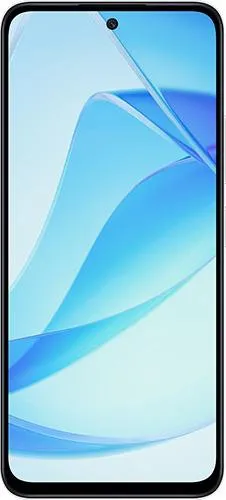
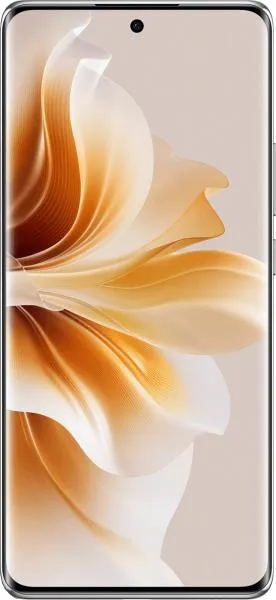
1. Specifications Comparison
| Feature | Xiaomi Redmi 12 5G | Oppo Reno11 | Practical Impact |
|---|---|---|---|
| Design | |||
| Dimensions | 168.6 x 76.3 x 8.2 mm | 162.4 x 74.3 x 7.9 mm | The Oppo Reno11 is noticeably smaller and slightly thinner, making it potentially more pocketable and comfortable for one-handed use. |
| Weight | 199g | 182g | The Reno11 is lighter, reducing hand fatigue during extended use. |
| Display | |||
| Display Type | IPS LCD, 90Hz | AMOLED, 120Hz | The Reno11's AMOLED display offers significantly better contrast, deeper blacks, and more vibrant colors. The higher refresh rate results in smoother scrolling and animations. |
| Resolution | 1080 x 2460 | 1080 x 2412 | Negligible real-world difference in sharpness. |
| Peak Brightness | Not specified | 950 nits | The Reno11's much higher peak brightness ensures excellent outdoor visibility even in direct sunlight. The lack of data for the Redmi 12 makes a direct comparison impossible but suggests it might struggle in brighter conditions. |
| Performance | |||
| Chipset | Snapdragon 4 Gen 2 (4nm) | Dimensity 7050 (6nm) | The Dimensity 7050 generally offers better CPU and GPU performance, leading to smoother multitasking and gaming. |
| CPU | Octa-core (2x2.2 GHz Cortex-A78 & 6x1.95 GHz Cortex-A55) | Octa-core (2x2.6 GHz Cortex-A78 & 6x2.0 GHz Cortex-A55) | The Reno11 has a slightly faster CPU, resulting in quicker app loading and smoother performance. |
| GPU | Adreno 613 | Mali-G68 MC4 | While specific benchmarks are needed for a definitive comparison, the Mali-G68 MC4 in the Reno11 generally offers better graphics performance for gaming. |
| RAM/Storage | 6GB/128GB | 12GB/256GB | The Reno11 offers significantly more RAM and storage, enabling smoother multitasking and ample space for apps and files. |
| Camera | |||
| Video Capabilities | 1080p@30fps | 4K@30fps, 1080p up to 480fps | The Reno11 offers significantly superior video recording capabilities with higher resolution and frame rates including slow-motion options. |
| Battery | |||
| Capacity | 5000 mAh | 5000 mAh | Similar battery capacities suggest comparable battery life, though real-world usage will depend on other factors. |
| Other | |||
| NFC | No | Yes | The Reno11 supports NFC for contactless payments and other functionalities. |
| OS | Android 13 | Android 14 | The Reno11 ships with a newer Android version, potentially offering more features and longer software support. |
2. Key Differences Analysis
Xiaomi Redmi 12 5G Advantages:
- Potentially Lower Price: While pricing isn't specified, Redmi phones are generally more budget-friendly.
Oppo Reno11 Advantages:
- Superior Display: AMOLED with 120Hz refresh rate and higher brightness provides a significantly better visual experience.
- Better Performance: More powerful chipset, CPU, and GPU result in smoother overall performance and better gaming capabilities.
- More RAM and Storage: 12GB RAM and 256GB storage offer significantly improved multitasking and ample space.
- Enhanced Camera Features: Significantly better video recording capabilities.
- NFC: Supports contactless payments.
- Newer OS: Android 14 out of the box.
Trade-offs:
- Price: The Reno11 likely comes at a higher price point.
3. User Profiles & Recommendations
Xiaomi Redmi 12 5G: Budget-conscious users who prioritize basic functionality and connectivity. Ideal for light usage like calling, texting, browsing, and social media.
Oppo Reno11: Users who value a premium multimedia experience, smooth performance, ample storage, and mobile photography/videography. Ideal for gaming, content consumption, and demanding tasks.
4. Decision Framework
Key Questions:
- What is your budget?
- What are your primary smartphone usage patterns?
- Which features are most important to you (e.g., display quality, performance, camera)?
Scenario-Based Recommendations:
- Tight Budget, Basic Usage: Redmi 12 5G
- Balanced Budget, Multimedia Focus: Oppo Reno11
- Demanding User, Premium Experience: Oppo Reno11
My Choice: Oppo Reno11
Reasons:
The Oppo Reno11 offers a significantly better overall user experience due to its superior AMOLED display, stronger performance, larger RAM and storage, enhanced video recording capabilities, and inclusion of NFC. While potentially more expensive, the Reno11's advantages in key areas like display, performance, and camera make it a more compelling choice for a wider range of users. The improved user experience justifies the potential price difference for me. The Redmi 12 5G's main advantage is its potential lower price point, making it suitable for extremely budget-conscious buyers who prioritize basic functionality over a premium experience.
