1. Specifications Comparison
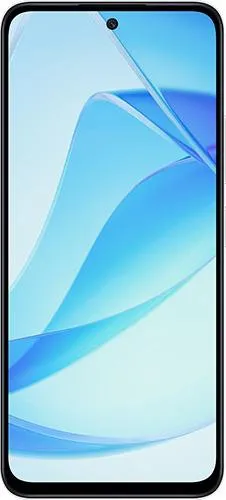
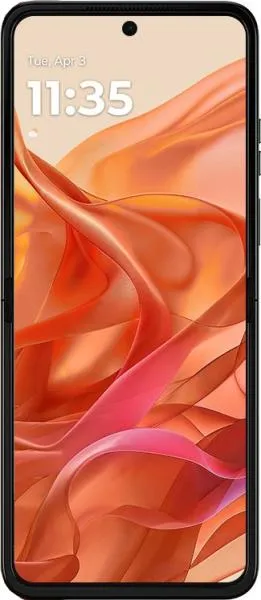
| Feature | Xiaomi Redmi 12 5G | Motorola Razr 50 | Practical Impact |
|---|---|---|---|
| Design | |||
| Dimensions | 168.6 x 76.3 x 8.2 mm | 171.3 x 74 x 7.3 mm | Razr 50 is slightly taller and thinner, but significantly more compact when folded. Redmi 12 is a traditional slab phone. |
| Weight | 199g | 188.4g | Razr 50 is slightly lighter despite its complex folding mechanism. |
| Foldable | No | Yes | Razr 50 offers portability and a unique form factor, but with potential durability concerns. |
| Display | |||
| Size | 6.79" | 6.9" | Razr 50 has a slightly larger screen. |
| Type | IPS LCD | Foldable LTPO AMOLED | Razr 50 offers superior contrast, deeper blacks, and potentially better power efficiency due to LTPO. Redmi 12's LCD is generally less vibrant. |
| Refresh Rate | 90Hz | 120Hz | Razr 50 provides smoother scrolling and animations. |
| Peak Brightness | Not specified | 3000 nits | Razr 50 is significantly brighter, ensuring excellent outdoor visibility. Lack of data for Redmi 12 prevents direct comparison. |
| Resolution | 1080 x 2460 | 1080 x 2640 | Similar pixel density (Redmi: 396 ppi, Razr: 413 ppi), resulting in comparable sharpness. Razr's slightly taller aspect ratio may be better for content consumption. |
| Performance | |||
| Chipset | Snapdragon 4 Gen 2 | Dimensity 7300X | Dimensity 7300X offers significantly better performance in demanding tasks and gaming. |
| CPU | Octa-core (2x2.2 GHz A78 & 6x1.95 GHz A55) | Octa-core (4x2.5 GHz A78 & 4x2.0 GHz A55) | Razr 50 has a more powerful CPU configuration, leading to faster app loading and multitasking. |
| GPU | Adreno 613 | Mali-G615 MC2 | Razr 50's GPU should provide a smoother gaming experience. |
| RAM | 6GB | 12GB | Razr 50 offers double the RAM, enabling better multitasking and preventing apps from closing in the background. |
| Storage | 128GB | 512GB | Razr 50 offers significantly more storage for apps, photos, and videos. |
| Battery | |||
| Capacity | 5000 mAh | 4200 mAh | Redmi 12 has a larger battery capacity, potentially offering longer battery life. However, Razr 50's LTPO display could offset this difference. Real-world usage will vary. |
| Other | |||
| OS | Android 13 | Android 14 | Razr 50 ships with the newer Android version, offering potential features and security updates. |
| NFC | No | Yes | Razr 50 supports contactless payments and data transfer via NFC. |
| Video Capabilities | 1080p@30fps | 4K@30fps, 1080p@60fps | Razr 50 offers higher resolution and frame rate video recording. |
2. Key Differences Analysis
Xiaomi Redmi 12 5G Advantages:
- Potentially longer battery life: Larger 5000 mAh battery.
- Lower price: Typically more affordable than foldable phones.
Motorola Razr 50 Advantages:
- Foldable design: Increased portability and unique form factor.
- Superior display: AMOLED with higher refresh rate, brightness, and richer colors.
- Significantly better performance: More powerful chipset, CPU, and GPU.
- More RAM and Storage: Enhanced multitasking and ample space for files.
- NFC: Supports contactless payments.
- Better video recording capabilities: 4K recording and higher frame rates.
3. User Profiles & Recommendations
Xiaomi Redmi 12 5G: Budget-conscious users prioritizing battery life and basic functionality. Suitable for everyday tasks like calling, texting, browsing, and light media consumption.
Motorola Razr 50: Users seeking a unique, portable, and stylish device with a premium display and strong performance. Ideal for users who value portability, multitasking, content consumption, and mobile photography/videography.
4. Decision Framework
Key Questions for Buyers:
- Budget: How much are you willing to spend?
- Form Factor: Do you prioritize portability and a unique design, or a traditional smartphone experience?
- Performance Needs: Do you require high performance for gaming, demanding apps, or multitasking?
Scenario-Based Recommendations:
- Limited budget and basic needs: Redmi 12 5G
- Prioritize portability and style over battery life: Razr 50
- Demand high performance and a premium display: Razr 50
My Choice: Motorola Razr 50
While the Redmi 12 5G offers a larger battery, the Razr 50's significantly superior performance, stunning display, ample RAM and storage, along with the unique foldable design, make it a more compelling choice for me. I value the portability and innovation the Razr 50 offers, and I am willing to compromise slightly on battery life for the enhanced user experience. The inclusion of NFC and superior video recording capabilities further solidifies my preference. The price difference is justifiable considering the significant upgrades the Razr 50 provides.
