1. Specifications Comparison
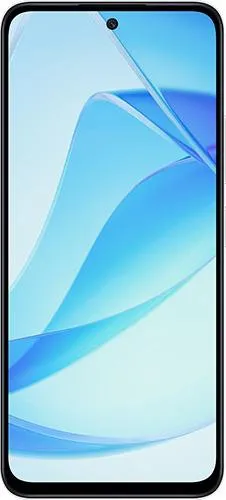
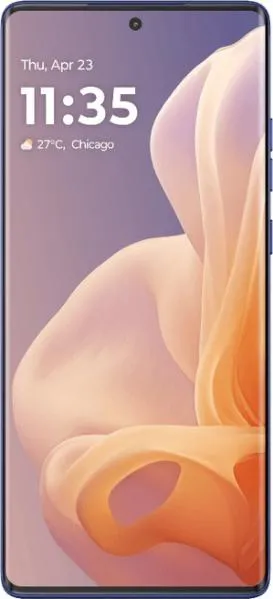
| Feature | Xiaomi Redmi 12 5G | Motorola Moto G85 | Practical Impact |
|---|---|---|---|
| Design | |||
| Dimensions | 168.6 x 76.3 x 8.2 mm | 161.9 x 73.1 x 7.6 mm | Moto G85 is noticeably smaller and thinner, making it more pocketable and easier to handle. |
| Weight | 199g | 171g | The Moto G85 is significantly lighter, reducing hand fatigue during extended use. |
| Fingerprint Sensor | Side-mounted | Under-display | Preference-based, but under-display is often perceived as more modern. |
| Display | |||
| Display Type | IPS LCD | P-OLED | P-OLED offers deeper blacks, more vibrant colors, and better power efficiency. |
| Display Size | 6.79" | 6.67" | Negligible size difference in real-world usage. |
| Resolution | 1080 x 2460 | 1080 x 2400 | Virtually identical sharpness. |
| Refresh Rate | 90Hz | 120Hz | Moto G85's 120Hz provides smoother animations and scrolling. |
| Peak Brightness | Not specified | 1600 nits | Moto G85's high peak brightness ensures excellent outdoor visibility. Lack of data for Redmi makes comparison incomplete. |
| Performance | |||
| Chipset | Snapdragon 4 Gen 2 (4nm) | Snapdragon 6s Gen 3 (6nm) | Snapdragon 6s Gen 3 offers significantly better performance in demanding tasks and gaming. |
| CPU | Octa-core (2x2.2 GHz A78 & 6x1.95 GHz A55) | Octa-core (2x2.3 GHz A78 & 6x2.0 GHz A55) | Moto G85 has a slight CPU clock speed advantage, translating to slightly faster processing. |
| GPU | Adreno 613 | Adreno 619 | Moto G85's Adreno 619 provides better graphics performance for gaming. |
| RAM/Storage | 128GB/6GB | 256GB/12GB | Moto G85 offers double the storage and RAM, enabling smoother multitasking and more app storage. |
| Other | |||
| Battery | 5000 mAh | 5000 mAh | Similar battery capacity, but real-world battery life depends on various factors including display type and efficiency. |
| OS | Android 13 | Android 14 | Moto G85 ships with the latest Android version, offering potential feature and security advantages. |
| NFC | No | Yes | Moto G85 supports contactless payments and data transfer via NFC. |
| USB | USB Type-C | USB Type-C 2.0 | While both use USB-C, the specific generation for Redmi is unclear and thus a detailed comparison is not possible. |
| Video Capabilities | 1080p@30fps | 1080p@30/60fps | Moto G85 offers more flexibility in video recording with 60fps option. |
2. Key Differences Analysis
Moto G85 Advantages:
- Superior Display: P-OLED with 120Hz refresh rate and high brightness delivers a significantly better visual experience.
- Stronger Performance: Snapdragon 6s Gen 3 and more RAM provide a noticeable performance boost for demanding tasks and gaming.
- More Storage: Double the storage capacity accommodates more apps, photos, and videos.
- Latest Android Version: Android 14 offers potential software and security advantages.
- NFC: Enables contactless payments and data transfer.
- More Video Recording Options: Includes 60fps recording.
Redmi 12 5G Advantages:
- Potentially Lower Price: Given the specifications, the Redmi 12 is likely positioned at a lower price point within the "medium price" range.
3. User Profiles & Recommendations
Redmi 12 5G: Budget-conscious users who prioritize basic functionality and 5G connectivity over premium features. Suitable for web browsing, social media, and light gaming.
Moto G85: Users seeking a well-rounded experience with a great display, smooth performance, ample storage, and the latest features. Suitable for demanding tasks, gaming, media consumption, and mobile photography.
4. Decision Framework
Key Questions for Buyers:
- What is your budget? The Redmi 12 5G likely offers a lower price point.
- How important is display quality? The Moto G85's P-OLED display is a significant advantage.
- What level of performance do you need? The Moto G85 is better equipped for demanding tasks and gaming.
Scenario-Based Recommendations:
- Limited Budget: Redmi 12 5G
- Prioritize Display and Performance: Moto G85
- Heavy Multitasking and Gaming: Moto G85
My Choice: Motorola Moto G85
The Moto G85 offers a compelling combination of a superior display, stronger performance, more storage, and modern features like NFC. While the Redmi 12 5G might have a lower price, the Moto G85's advantages in key areas like display, performance, and features make it a more well-rounded and future-proof device. The significantly brighter display and inclusion of NFC are compelling factors for daily use. While specific pricing would inform the final decision, based on the available data, the Moto G85 offers a better overall package.
