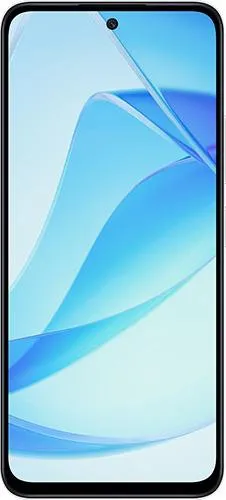
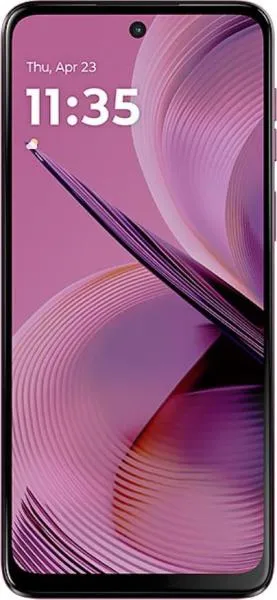
1. Specifications Comparison
| Feature | Xiaomi Redmi 12 5G | Motorola Moto G55 | Practical Impact |
|---|---|---|---|
| Design | |||
| Dimensions | 168.6 x 76.3 x 8.2 mm | 161.6 x 73.8 x 8.1 mm | Moto G55 is slightly smaller and may feel more comfortable in hand. |
| Weight | 199g | 179g | Moto G55 is noticeably lighter, reducing hand fatigue during extended use. |
| Display | |||
| Size | 6.79" | 6.49" | Redmi 12 offers a larger screen for more immersive content consumption. |
| Type | IPS LCD | IPS LCD | Both use LCD technology, expecting similar color accuracy and viewing angles. |
| Refresh Rate | 90Hz | 120Hz | Moto G55's 120Hz offers smoother scrolling and animations, improving perceived performance. |
| Resolution | 1080 x 2460 | 1080 x 2400 | Negligible difference in sharpness due to similar pixel densities. |
| Peak Brightness | Not specified | Not specified | Cannot compare peak brightness; outdoor visibility remains unknown. |
| Performance | |||
| Chipset | Snapdragon 4 Gen 2 (4nm) | Mediatek Dimensity 7025 (6nm) | Dimensity 7025 generally offers better performance, especially in multitasking and gaming. |
| CPU | Octa-core (2x2.2 GHz A78 & 6x1.95 GHz A55) | Octa-core (2x2.5 GHz A78 & 6x2.0 GHz A55) | Moto G55 likely has a performance edge due to higher clock speeds on performance cores. |
| GPU | Adreno 613 | IMG BXM-8-256 | BXM-8-256 should offer better graphical performance for gaming. |
| RAM | 6GB | 8GB | Moto G55's 8GB RAM allows for smoother multitasking and less frequent app reloading. |
| Storage | 128GB | 256GB | Moto G55 offers double the storage, crucial for users who store lots of media or apps. |
| Other | |||
| OS | Android 13, upgradable to 14 | Android 14 | Both phones will likely run Android 14, offering similar software features. |
| NFC | No | Yes | Moto G55 supports contactless payments and data transfer via NFC. |
| Battery | 5000 mAh | 5000 mAh | Similar battery capacities suggest comparable battery life, but real-world usage may vary. |
| Video Recording | 1080p@30fps | 1080p@30/60fps | Moto G55 offers more flexibility with 60fps recording for smoother videos. |
2. Key Differences Analysis
Xiaomi Redmi 12 5G Advantages:
- Larger Display: Provides a more immersive experience for media consumption.
Motorola Moto G55 Advantages:
- Smoother Performance: Higher refresh rate, faster processor, and more RAM deliver a more responsive user experience.
- Greater Storage: Double the storage capacity accommodates more apps, photos, and videos.
- NFC: Enables contactless payments and convenient data transfer.
- Higher Quality Video Recording: 60fps recording option results in smoother videos.
3. User Profiles & Recommendations
Xiaomi Redmi 12 5G: Budget-conscious users prioritizing a large display for media consumption. Best for casual users who primarily browse, stream videos, and engage in light gaming.
Motorola Moto G55: Users seeking a balanced phone with smooth performance, ample storage, and essential features like NFC. Suitable for moderate to heavy users who multitask frequently, play games, and require contactless payment options.
4. Decision Framework
Key Questions for Buyers:
- What is your budget? Both are mid-range but price differences may exist.
- Is a large screen or smoother performance more important? Redmi 12 prioritizes screen size, while Moto G55 emphasizes performance.
- Do you need NFC for contactless payments? Moto G55 offers NFC, Redmi 12 does not.
My Choice: Motorola Moto G55
While the Redmi 12 5G offers a larger display, the Moto G55 provides a more well-rounded package. The performance benefits from the faster processor, higher refresh rate, and increased RAM are significant for day-to-day usage. The inclusion of NFC for contactless payments adds significant convenience. Double the storage capacity addresses future needs, ensuring the phone remains usable for longer without needing to constantly manage storage space. Finally, the ability to record 60fps video is a valuable feature for capturing smoother, more professional-looking footage. While slightly smaller, the Moto G55 is also lighter, making it more comfortable for extended use. The overall user experience on the Moto G55 would likely be more enjoyable due to these tangible advantages.
