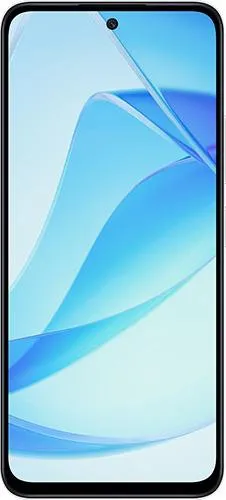
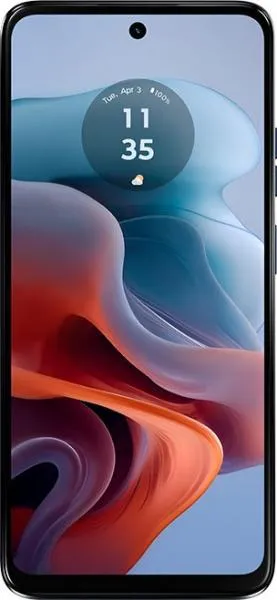
1. Specifications Comparison
| Feature | Xiaomi Redmi 12 5G | Motorola Moto G34 | Practical Impact |
|---|---|---|---|
| Design | |||
| Dimensions | 168.6 x 76.3 x 8.2 mm | 162.7 x 74.6 x 8.0 mm | Moto G34 is slightly smaller and might feel more comfortable in hand. |
| Weight | 199g | 179g | Moto G34 is noticeably lighter, reducing hand fatigue during extended use. |
| Display | |||
| Size | 6.79" | 6.5" | Redmi 12 offers a larger screen for more immersive media consumption. |
| Type | IPS LCD | IPS LCD | Both use LCD technology, expecting similar color accuracy and viewing angles. |
| Resolution | 1080 x 2460 | 720 x 1600 | Redmi 12 has a significantly sharper display, resulting in clearer text and images. |
| Refresh Rate | 90Hz | 120Hz | Moto G34's higher refresh rate will provide smoother scrolling and animations. |
| Brightness (Peak) | Not specified | Not specified | Cannot compare peak brightness; real-world outdoor visibility remains unknown. |
| Performance | |||
| Chipset | Snapdragon 4 Gen 2 (4nm) | Snapdragon 695 5G (6nm) | Snapdragon 695 is a more powerful chipset, leading to better performance in demanding tasks and games. |
| CPU | Octa-core (2x2.2 GHz A78 & 6x1.95 GHz A55) | Octa-core (2x2.2 GHz Kryo 660 & 6x1.7 GHz Kryo 660) | Moto G34's CPU architecture, coupled with the stronger GPU, should offer a smoother overall experience. |
| GPU | Adreno 613 | Adreno 619 | Moto G34 has a more capable GPU, beneficial for gaming and graphics-intensive applications. |
| RAM | 6GB | 4GB/8GB | RAM options matter; 8GB Moto G34 will handle multitasking significantly better than the 6GB Redmi 12 and the 4GB Moto G34 will likely struggle. |
| Storage | 128GB | 128GB | Both offer the same base storage. |
| Battery | |||
| Capacity | 5000 mAh | 5000 mAh | Similar battery capacities suggest comparable battery life, though real-world usage will vary. |
| Other | |||
| NFC | No | Yes | Moto G34 supports contactless payments and data transfer via NFC. |
| OS | Android 13 | Android 13 | Both run on the latest Android version. |
| Sensors | accelerometer, compass, Fingerprint (side-mounted) | accelerometer, gyro, proximity, compass, Fingerprint (side-mounted) | Moto G34 has a gyroscope sensor, enabling features like AR applications and improved gaming experience. |
2. Key Differences Analysis
Redmi 12 5G Advantages:
- Sharper Display: Higher resolution leads to a noticeably clearer and more detailed visual experience.
- Larger Display: Offers more immersive media consumption and easier multitasking.
Moto G34 Advantages:
- Smoother Performance: More powerful chipset and GPU deliver better overall performance, especially in demanding tasks and games.
- Higher Refresh Rate: 120Hz display provides smoother scrolling and animations, making the user experience feel more fluid.
- NFC: Enables contactless payments and convenient data transfer.
- Lighter and More Compact: Easier to hold and carry for extended periods.
- Gyroscope: Enables AR experiences and more precise motion controls in games.
3. User Profiles & Recommendations
Redmi 12 5G: Ideal for users prioritizing media consumption (videos, photos) and who prefer a large screen. Budget-conscious users who don't heavily multitask or play demanding games.
Moto G34: Suitable for users who value smooth performance, a fluid user interface, and NFC functionality. Gamers and those who multitask frequently will appreciate the more powerful processor and higher refresh rate display. Choose the 8GB RAM option if possible.
4. Decision Framework
Key Questions for Buyers:
- What is your budget? While both are mid-range, slight price differences may exist.
- What are your primary use cases? Media consumption, gaming, multitasking?
- Which features are essential? NFC, large display, high refresh rate?
Scenario-Based Recommendations:
- Tight budget, primary use is social media and streaming: Redmi 12 5G.
- Moderate budget, prioritize smooth performance and gaming: Moto G34 (8GB RAM version).
- Need NFC for contactless payments: Moto G34.
My Choice: Motorola Moto G34 (8GB Version)
While the Redmi 12 5G offers a sharper and larger display, the Moto G34 (8GB version) provides a more well-rounded package. The significantly more powerful processor, higher refresh rate, NFC functionality, and lighter weight are crucial factors for a smoother and more enjoyable everyday user experience. The gyroscope sensor also opens up possibilities for AR applications and enhances gaming. The sharper display of the Redmi is tempting, but the overall performance and features of the Moto G34 (8GB version) make it the better choice for me, assuming a negligible price difference. I am explicitly choosing the 8GB version because 4GB is simply not enough RAM for a smooth Android experience in 2024.
