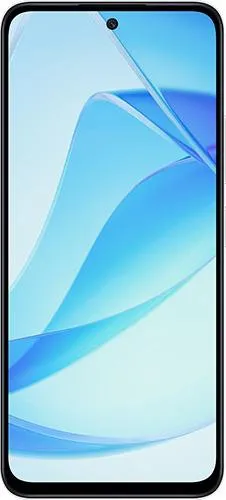
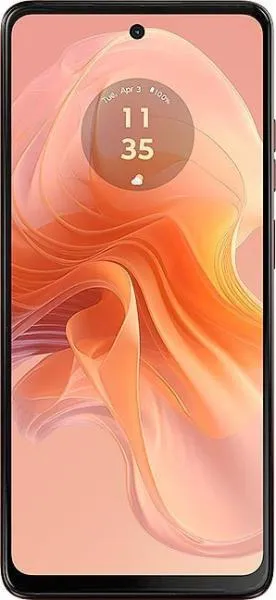
1. Specifications Comparison
| Feature | Xiaomi Redmi 12 5G | Motorola Moto G04s | Practical Impact |
|---|---|---|---|
| Design | |||
| Dimensions | 168.6x76.3x8.2mm | 163.5x74.5x8mm | Redmi 12 is slightly larger; negligible difference in everyday use. |
| Weight | 199g | 178.8g | Moto G04s is noticeably lighter, more comfortable for extended use. |
| Display | |||
| Size | 6.79" | 6.56" | Redmi 12 offers a larger viewing area for media consumption. |
| Type | IPS LCD, 90Hz, 550 nits | IPS LCD, 90Hz | Both have smooth scrolling due to 90Hz; Redmi 12's specified brightness suggests better outdoor visibility but no peak brightness for either |
| Resolution | 1080x2460 | 720x1612 | Redmi 12 has a significantly sharper display, resulting in clearer text and images. Moto G04s has a lower resolution impacting clarity. |
| Performance | |||
| Chipset | Snapdragon 4 Gen 2 | Unisoc T606 | Snapdragon 4 Gen 2 is generally more powerful and efficient, leading to better performance and battery life. |
| CPU | Octa-core (2x2.2 GHz Cortex-A78 & 6x1.95 GHz Cortex-A55) | Octa-core (2x1.6 GHz Cortex-A75 & 6x1.6 GHz Cortex-A55) | Redmi 12's CPU has faster cores, enabling smoother multitasking and demanding applications. |
| GPU | Adreno 613 | Mali-G57 MP1 | Adreno 613 generally offers better gaming performance. |
| RAM | 6GB | 4GB | Redmi 12's larger RAM allows for more apps to run in the background without reloading. |
| Storage | 128GB | 128GB | Storage capacity is equal. |
| Other | |||
| Battery | 5000mAh | 5000mAh | Battery capacity is equal; real-world battery life depends on optimization and usage. |
| OS | Android 13 | Android 14 | Moto G04s launches with a newer Android version. |
| NFC | No | Yes | Moto G04s supports contactless payments. |
| USB | USB Type-C | USB Type-C 2.0 | Both use modern connectors; the practical impact of the 2.0 specification difference is negligible for most users. |
| Sensors | accelerometer, compass, Fingerprint (side-mounted) | accelerometer, proximity, Fingerprint (side-mounted) | Both have fingerprint sensors; Redmi 12 has a compass, while Moto G04s has a proximity sensor. |
| Video Capabilities | 1080p@30fps | 1080p@30fps | Video recording capabilities are the same. |
2. Key Differences Analysis
Xiaomi Redmi 12 5G Advantages:
- Superior Performance: The Snapdragon 4 Gen 2 chipset, combined with 6GB RAM, provides significantly better performance for demanding tasks and gaming.
- Sharper Display: The higher resolution display offers a much clearer and more detailed visual experience.
- Larger Screen: The larger display is beneficial for media consumption and multitasking.
Motorola Moto G04s Advantages:
- Lighter Weight: More comfortable for one-handed use and extended periods.
- NFC: Enables contactless payments and other NFC functionalities.
- Newer Android Version: Starts with Android 14, potentially offering longer software support and newer features out of the box.
3. User Profiles & Recommendations
Xiaomi Redmi 12 5G: Ideal for users who prioritize performance, a sharp display, and a larger screen for media consumption, gaming, and multitasking. Good for budget-conscious users who don't need NFC.
Motorola Moto G04s: Suitable for users who value a lightweight phone, NFC functionality for contactless payments, and the latest Android version. Acceptable for light usage, but not ideal for demanding tasks or gaming.
4. Decision Framework
Key Questions:
- What is your budget and how important is performance? If performance is a priority, the Redmi 12 5G is the better choice.
- Do you need NFC for contactless payments? If yes, the Moto G04s is the only option.
- What type of content do you consume on your phone? If you watch a lot of videos or play games, the Redmi 12 5G's larger, sharper display is preferable.
My Choice: Xiaomi Redmi 12 5G
While the Moto G04s offers NFC and a newer Android version, the Xiaomi Redmi 12 5G is the better overall package for me. I prioritize performance and display quality, and the Redmi 12 5G significantly outperforms the Moto G04s in these areas. The Snapdragon 4 Gen 2, combined with 6GB of RAM and the 1080p display, provides a smoother and more enjoyable user experience for everyday tasks, gaming, and media consumption. The slightly larger size and heavier weight are minor trade-offs for the significant performance and display advantages. I can live without NFC, and while the older Android version is a slight concern, the performance difference is a more important factor in my decision.
