1. Specifications Comparison
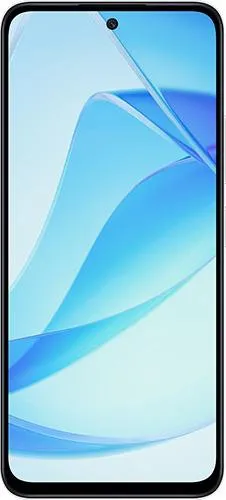
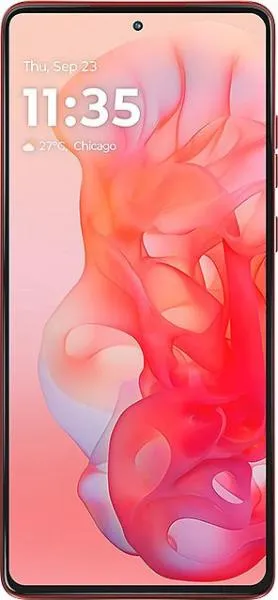
| Feature | Xiaomi Redmi 12 5G | Motorola Moto G Stylus 5G (2024) | Practical Impact |
|---|---|---|---|
| Design | |||
| Dimensions | 168.6 x 76.3 x 8.2 mm | 162.6 x 74.8 x 8.3 mm | Moto G Stylus is slightly smaller and might feel more comfortable in hand. |
| Weight | 199g | 190g | The Moto G Stylus is slightly lighter, making it less noticeable in a pocket. |
| Build Materials | Not specified | Not specified | Cannot compare build quality and durability without this information. |
| Display | |||
| Display Type | IPS LCD | P-OLED | P-OLED generally offers deeper blacks, more vibrant colors, and better power efficiency. |
| Display Size | 6.79" | 6.7" | Negligible difference in screen real estate. |
| Resolution | 1080 x 2460 | 1080 x 2400 | Virtually identical resolution, resulting in similar sharpness. |
| Refresh Rate | 90Hz | 120Hz | Moto G Stylus offers smoother scrolling and animations thanks to the higher refresh rate. |
| Peak Brightness | Not specified | 1200 nits | The Moto G Stylus will be significantly more readable in direct sunlight. Lack of data for Redmi makes comparison incomplete. |
| Performance | |||
| Chipset | Snapdragon 4 Gen 2 | Snapdragon 6 Gen 1 | Snapdragon 6 Gen 1 provides noticeably better performance for demanding tasks and gaming. |
| CPU | Octa-core (2x2.2 GHz Cortex-A78 & 6x1.95 GHz Cortex-A55) | Octa-core (4x2.2 GHz Cortex-A78 & 4x1.8 GHz Cortex-A55) | Moto G Stylus has a more powerful CPU configuration, leading to faster processing speeds. |
| GPU | Adreno 613 | Adreno 710 | Adreno 710 offers significantly improved graphics performance for gaming and visually intensive applications. |
| RAM | 6GB | 8GB | More RAM in the Moto G Stylus allows for smoother multitasking and better performance with multiple apps open. |
| Storage | 128GB | 256GB | Double the storage on the Moto G Stylus provides ample space for apps, photos, and videos. |
| Other | |||
| Battery | 5000 mAh | 5000 mAh | Similar battery capacity, but actual battery life depends on software optimization and usage patterns. |
| OS | Android 13 | Android 14 | Moto G Stylus ships with a newer Android version, offering potential feature and security advantages. |
| NFC | No | Yes | Moto G Stylus supports contactless payments and data transfer via NFC. |
| Stylus | No | Yes (Integrated) | The integrated stylus on the Moto G Stylus allows for note-taking, drawing, and precise screen interaction. |
| Video Capabilities | 1080p@30fps | 4K@30fps, 1080p@30/60/120fps | Moto G Stylus offers significantly better video recording capabilities with higher resolution and frame rate options. |
2. Key Differences Analysis
Motorola Moto G Stylus 5G (2024) Advantages:
- Superior Display: P-OLED with 120Hz refresh rate and higher peak brightness provides a smoother, more vibrant, and easily viewable experience.
- Stronger Performance: Snapdragon 6 Gen 1, more RAM, and a better GPU deliver significantly improved performance for demanding tasks and gaming.
- Enhanced Features: Integrated stylus, NFC, newer Android version, and better video recording capabilities add significant value.
Xiaomi Redmi 12 5G Advantages:
- Potentially Lower Price: While not specified, Redmi phones are generally known for aggressive pricing. This could be a significant factor depending on the actual market prices.
Trade-offs:
- The Redmi 12 5G sacrifices performance, display quality, and features for a potentially lower price.
- The Moto G Stylus might be slightly more expensive but offers a more well-rounded and feature-rich experience.
3. User Profiles & Recommendations
Xiaomi Redmi 12 5G: Budget-conscious users who prioritize basic functionality (calling, texting, web browsing) and light app usage.
Motorola Moto G Stylus 5G (2024): Users who value a smooth and vibrant display, strong performance for gaming and multitasking, and features like a stylus for note-taking and drawing. Creative professionals, students, and those who consume multimedia heavily would benefit from the Moto G Stylus.
4. Decision Framework
Key Questions for Buyers:
- What is your budget? The Redmi 12 5G is likely to be more affordable.
- What are your primary use cases? Basic use vs. demanding tasks/gaming/multimedia consumption.
- Which features are most important to you? Stylus, NFC, display quality, performance.
Scenario-Based Recommendations:
- Tight Budget, Basic Use: Redmi 12 5G
- Student Needing Note-Taking Capabilities: Moto G Stylus 5G
- Gamer on a Moderate Budget: Moto G Stylus 5G
- User Prioritizing Display Quality and Performance: Moto G Stylus 5G
My Choice: Motorola Moto G Stylus 5G (2024)
The Moto G Stylus 5G (2024) offers a significantly better overall package. The superior display, stronger performance, integrated stylus, NFC functionality, and newer Android version make it a more compelling choice. While the Redmi 12 5G might be cheaper, the Moto G Stylus provides a more future-proof and enjoyable user experience that justifies the potential price difference. The benefits in terms of daily usability and longevity outweigh the potential cost savings for me. The lack of peak brightness information for the Redmi also hinders a complete comparison, further solidifying the Moto G Stylus as the preferred option.
