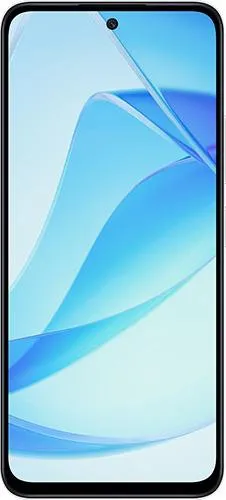
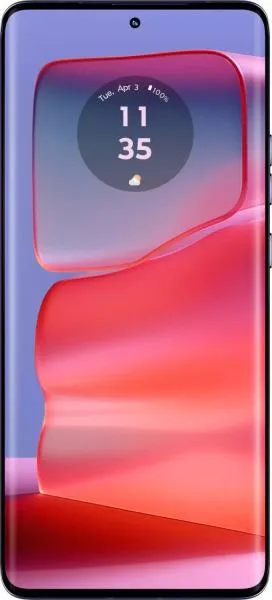
1. Specifications Comparison
| Feature | Xiaomi Redmi 12 5G | Motorola Edge 50 Pro | Practical Impact |
|---|---|---|---|
| Design | |||
| Dimensions | 168.6 x 76.3 x 8.2 mm | 161.2 x 72.4 x 8.2 mm | Edge 50 Pro is slightly smaller and might feel more comfortable in hand. |
| Weight | 199g | 186g | Edge 50 Pro is noticeably lighter, reducing hand fatigue during extended use. |
| Fingerprint Sensor | Side-mounted | Under-display | Personal preference; under-display often perceived as more premium. |
| Display | |||
| Display Type | IPS LCD | P-OLED | OLED offers deeper blacks, higher contrast, and potentially better power efficiency. |
| Size | 6.79" | 6.7" | Negligible size difference in real-world usage. |
| Resolution | 1080 x 2460 | 1220 x 2712 | Edge 50 Pro has a sharper display with higher pixel density (446 vs 396 ppi). |
| Refresh Rate | 90Hz | 144Hz | Edge 50 Pro provides a smoother, more responsive visual experience, especially in gaming and scrolling. |
| Peak Brightness | Not specified | 2000 nits | Edge 50 Pro's significantly higher brightness ensures better visibility in direct sunlight. Missing Redmi 12 peak brightness limits comparison. |
| Performance | |||
| Chipset | Snapdragon 4 Gen 2 | Snapdragon 7 Gen 3 | Edge 50 Pro boasts a significantly more powerful processor, resulting in faster app loading, smoother multitasking, and better gaming performance. |
| CPU | Octa-core (2x2.2 GHz A78 & 6x1.95 GHz A55) | Octa-core (1x2.63 GHz A715 & 4x2.4 GHz A715 & 3x1.8 GHz A510) | Edge 50 Pro's CPU architecture and clock speeds indicate a substantial performance advantage. |
| GPU | Adreno 613 | Adreno 720 | Edge 50 Pro offers significantly better graphics performance for demanding games and applications. |
| RAM/Storage | 128GB/6GB | 256GB/12GB or 512GB/12GB | Edge 50 Pro provides significantly more RAM and storage, enabling smoother multitasking and ample space for files and apps. |
| Battery | |||
| Capacity | 5000 mAh | 4500 mAh | Redmi 12 has a larger battery capacity, potentially offering longer battery life. However, real-world usage depends on various factors including display and processor efficiency. |
| Other | |||
| OS | Android 13 | Android 14 | Edge 50 Pro comes with the latest Android version, offering potential new features and longer software support. |
| NFC | No | Yes | Edge 50 Pro supports contactless payments and data transfer via NFC. |
| USB | USB Type-C | USB Type-C 3.1, OTG, DisplayPort 1.4 | Edge 50 Pro offers faster data transfer and video output capabilities. |
| Video Capabilities | 1080p@30fps | Up to 4K@30fps and 1080p@120fps | Edge 50 Pro offers significantly better video recording capabilities with higher resolution and frame rates. |
2. Key Differences Analysis
Redmi 12 5G Advantages:
- Potentially Longer Battery Life: The larger 5000 mAh battery might translate to longer usage time. However, this needs real-world testing to confirm due to the Edge 50 Pro's potentially more efficient display.
- Lower Price: While price isn't specified, Redmi phones generally target a more budget-conscious market.
Edge 50 Pro Advantages:
- Superior Performance: Significantly more powerful processor and GPU.
- Sharper and Smoother Display: Higher resolution, refresh rate, and OLED technology result in a superior visual experience.
- More RAM and Storage: Provides ample space for apps and files, enabling smoother multitasking.
- More Features: NFC, newer Android version, faster USB, and better video recording capabilities.
Trade-offs:
- The Edge 50 Pro's smaller battery might result in shorter battery life despite potential efficiency gains from the OLED display. This is a trade-off for its higher performance and more advanced features.
3. User Profiles & Recommendations
Redmi 12 5G: Budget-conscious users prioritizing basic functionality, long battery life, and affordability. Suitable for everyday tasks like browsing, social media, and casual gaming.
Edge 50 Pro: Users seeking a high-performance device with a premium display, smooth gaming experience, ample storage, and the latest features. Suitable for demanding tasks, mobile gaming, content creation, and multitasking.
4. Decision Framework
Key Questions:
- What is your budget? The Redmi 12 likely offers better value for budget-conscious buyers.
- What are your primary smartphone usage patterns? For demanding tasks and gaming, the Edge 50 Pro is clearly superior.
- Which features are most important to you? Consider priorities like battery life, display quality, performance, and extra features like NFC.
Scenario-Based Recommendations:
- Limited budget, basic usage: Redmi 12 5G.
- Power user, gamer, content creator: Edge 50 Pro.
My Choice: Motorola Edge 50 Pro
While the Redmi 12 5G offers a larger battery and potentially lower price, the Motorola Edge 50 Pro is the superior device overall. Its significantly better performance, stunning display, ample storage, and extra features like NFC make it a compelling choice. The smoother 144Hz refresh rate, brighter OLED screen, and faster charging significantly enhance the user experience. I prioritize performance and a premium user experience, and the Edge 50 Pro delivers in those areas. While battery life is a concern, advancements in OLED efficiency and software optimization could mitigate the difference in capacity. The added benefit of future-proofing with the newer Android version and more powerful hardware solidifies the Edge 50 Pro as the better long-term investment.
