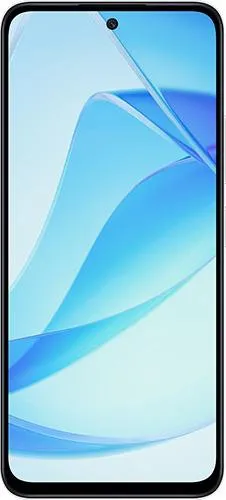
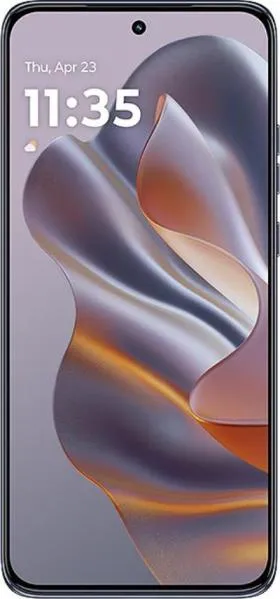
1. Specifications Comparison
| Feature | Xiaomi Redmi 12 5G | Motorola Edge 50 Neo | Practical Impact |
|---|---|---|---|
| Design | |||
| Dimensions | 168.6 x 76.3 x 8.2 mm | 154.1 x 71.2 x 8.1 mm | The Motorola is noticeably smaller and potentially easier to handle one-handed. |
| Weight | 199g | 171g | The Motorola is significantly lighter, reducing hand fatigue during extended use. |
| Display | |||
| Display Type | IPS LCD, 90Hz | LTPO P-OLED, 120Hz | The Motorola offers superior contrast, deeper blacks, and smoother scrolling thanks to OLED technology and a higher refresh rate. LTPO allows for dynamic refresh rate adjustment, saving battery. |
| Size | 6.79" | 6.4" | The Redmi offers a larger screen for media consumption, while the Motorola is more compact. |
| Resolution | 1080x2460 | 1256x2760 | The Motorola boasts a sharper display with higher pixel density (474 ppi vs 396 ppi), resulting in crisper text and images. |
| Peak Brightness | Not specified | 3000 nits | The Motorola's significantly higher peak brightness ensures excellent outdoor visibility, even in direct sunlight. The lack of data for the Redmi makes a direct comparison impossible. |
| Performance | |||
| Chipset | Snapdragon 4 Gen 2 (4nm) | Dimensity 7300 (4nm) | Both use a 4nm process, but the Dimensity 7300 is generally considered a more powerful chipset, leading to better performance in demanding tasks and gaming. |
| CPU | Octa-core (2x2.2 GHz Cortex-A78 & 6x1.95 GHz Cortex-A55) | Octa-core (4x2.5 GHz Cortex-A78 & 4x2.0 GHz Cortex-A55) | The Motorola's CPU configuration suggests better multi-core performance due to having four high-performance cores compared to the Redmi's two. |
| GPU | Adreno 613 | Mali-G615 MC2 | While specific benchmarks are needed for definitive comparison, the Mali-G615 MC2 generally provides a smoother gaming experience than the Adreno 613. |
| RAM/Storage | 128GB/6GB | 512GB/12GB | The Motorola offers significantly more storage and RAM, enabling smoother multitasking and ample space for apps and media. |
| Camera | |||
| Video Capabilities | 1080p@30fps | Up to 4K@30fps, 1080p@240fps | The Motorola offers superior video recording capabilities with higher resolution and frame rates, including slow-motion options. |
| Battery | |||
| Capacity | 5000 mAh | 4310 mAh | The Redmi has a larger battery capacity, potentially offering longer battery life. However, real-world usage will depend on various factors, including display and processor efficiency. |
| Other | |||
| OS | Android 13 | Android 14 | The Motorola ships with a newer Android version and likely longer software support. |
| NFC | No | Yes | The Motorola supports NFC for contactless payments and other functionalities. |
2. Key Differences Analysis
Motorola Edge 50 Neo Advantages:
- Superior Display: OLED technology with higher resolution, refresh rate, and peak brightness. More vibrant colors, deeper blacks, smoother scrolling, and better outdoor visibility.
- More Powerful Performance: Dimensity 7300 chipset, along with more RAM and storage, delivers a noticeable performance advantage for demanding tasks and gaming.
- Enhanced Camera Features: Higher resolution video recording and slow-motion capabilities.
- Newer Software: Ships with Android 14 and will likely receive longer software updates.
- NFC Functionality: Supports contactless payments.
Xiaomi Redmi 12 5G Advantages:
- Larger Battery: Potentially longer battery life, although this depends on usage patterns.
- Larger Display: Provides a more immersive experience for media consumption.
Trade-offs:
- The Redmi sacrifices performance, display quality, and features like NFC for a potentially longer battery life and a larger screen.
- The Motorola prioritizes performance, display, and features, potentially at the cost of some battery life.
3. User Profiles & Recommendations
Xiaomi Redmi 12 5G: Users on a tighter budget who prioritize battery life and a large screen for media consumption over top-tier performance and features. Suitable for basic tasks, web browsing, and casual gaming.
Motorola Edge 50 Neo: Users who value a premium display, smooth performance, strong camera capabilities, and NFC functionality. Suitable for demanding tasks, mobile gaming, photography enthusiasts, and those who prefer a more compact phone.
4. Decision Framework
Key Questions for Buyers:
- What is your budget? Both are mid-range, but price differences may exist.
- What are your primary use cases? (e.g., gaming, photography, social media, basic communication)
- Which features are most important to you? (e.g., battery life, display quality, performance, camera)
Scenario-Based Recommendations:
- Heavy gamer: Motorola Edge 50 Neo
- Budget-conscious user primarily for communication: Xiaomi Redmi 12 5G
- User who values a premium display and camera: Motorola Edge 50 Neo
My Choice: Motorola Edge 50 Neo
While the Redmi 12 5G offers a larger battery and display, the Motorola Edge 50 Neo provides a significantly better overall user experience. The superior OLED display, more powerful processor, greater RAM and storage, enhanced camera features, NFC functionality, and newer software make it a more compelling device. The slightly smaller battery is a reasonable trade-off for the significant gains in other areas. For me, the smoother performance, vibrant display, and future-proof software updates of the Motorola outweigh the potential benefit of slightly longer battery life.
