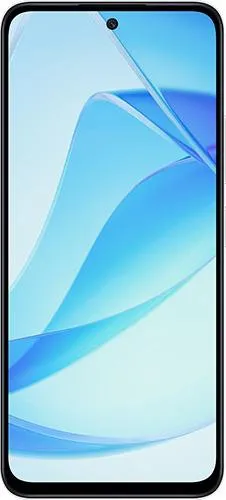
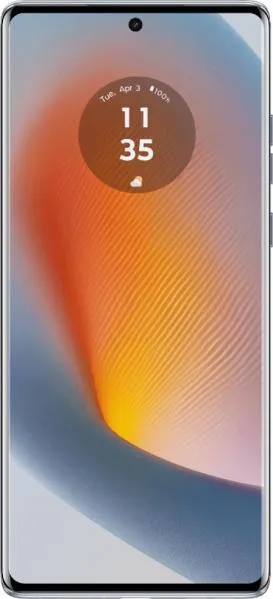
1. Specifications Comparison
| Feature | Xiaomi Redmi 12 5G | Motorola Edge 50 Fusion | Practical Impact |
|---|---|---|---|
| Design | |||
| Dimensions | 168.6 x 76.3 x 8.2 mm | 161.9 x 73.1 x 7.9 mm | Motorola is slightly smaller and thinner, potentially more comfortable for one-handed use. |
| Weight | 199g | 174.9g | Motorola is noticeably lighter, reducing hand fatigue during extended use. |
| Build Materials | Not specified | Not specified | Cannot compare build quality and durability without more information. |
| Display | |||
| Display Type | IPS LCD | P-OLED | P-OLED offers deeper blacks, more vibrant colors, and potentially better power efficiency. |
| Size | 6.79" | 6.7" | Negligible size difference in real-world usage. |
| Resolution | 1080 x 2460 | 1080 x 2400 | Virtually identical resolutions; sharpness will be similar. |
| Refresh Rate | 90Hz | 120Hz (LATAM), 144Hz (INT) | Motorola offers smoother scrolling and animations, especially noticeable in gaming and fast-paced UI interactions. |
| Peak Brightness | Not specified | 1600 nits | Motorola's significantly higher peak brightness ensures excellent outdoor visibility. The lack of data for the Redmi makes a direct comparison impossible. |
| Performance | |||
| Chipset | Snapdragon 4 Gen 2 | Snapdragon 7s Gen 2 | The 7s Gen 2 in the Motorola is a more powerful chipset, enabling smoother multitasking, faster app loading, and better gaming performance. |
| CPU | Octa-core (2x2.2 GHz Cortex-A78 & 6x1.95 GHz Cortex-A55) | Octa-core (4x2.40 GHz Cortex-A78 & 4x1.95 GHz Cortex-A55) | Motorola's CPU configuration suggests superior performance in demanding tasks. |
| GPU | Adreno 613 | Adreno 710 | Motorola's GPU is more powerful, leading to improved gaming graphics and smoother performance in graphically intensive applications. |
| RAM | 6GB | 8GB | More RAM in the Motorola allows for more apps to run in the background without performance slowdown. |
| Storage | 128GB | 256GB | Motorola offers double the storage, accommodating more apps, photos, and videos. |
| Camera | Not enough information to compare | Not enough information to compare | Both megapixel counts are provided, but sensor size, aperture, and other crucial details are missing, preventing a meaningful comparison. |
| Video Capabilities | 1080p@30fps | 4K@30fps, 1080p up to 120fps | Motorola offers significantly better video recording capabilities with higher resolution and frame rate options, including slow-motion recording. |
| Battery | |||
| Capacity | 5000 mAh | 5000 mAh | Identical battery capacities; real-world battery life will depend on software optimization and usage patterns. |
| Other | |||
| OS | Android 13 | Android 14 | Motorola comes with a newer Android version out-of-the-box, offering potential feature and security advantages. |
| NFC | No | Yes | Motorola supports NFC for contactless payments and other functionalities. |
2. Key Differences Analysis
Motorola Edge 50 Fusion Advantages:
- Significantly better performance: The Snapdragon 7s Gen 2, coupled with more RAM, will provide a noticeably smoother and faster user experience.
- Superior display: The P-OLED panel offers richer colors and deeper blacks, while the higher refresh rate ensures smoother visuals. Higher peak brightness is also a significant advantage for outdoor use.
- Enhanced video recording: 4K recording and slow-motion capabilities provide more versatility.
- NFC functionality: Enables contactless payments and other convenient features.
- More storage: Double the storage capacity compared to the Redmi 12.
- Newer Android version: Ships with Android 14, offering potential feature and security benefits.
Xiaomi Redmi 12 5G Advantages:
- Potentially lower price: Given the lower specifications, it's likely to be more affordable.
3. User Profiles & Recommendations
Motorola Edge 50 Fusion: Suitable for users who prioritize performance, a high-quality display, and features like NFC. Ideal for gaming, media consumption, and multitasking.
Xiaomi Redmi 12 5G: Best suited for budget-conscious users who prioritize basic functionality and don't require high performance or advanced features. Suitable for light usage such as calling, texting, and web browsing.
4. Decision Framework
Key Questions for Buyers:
- What is your budget? The Redmi 12 is likely to be more affordable.
- What are your performance needs? For demanding tasks and gaming, the Motorola is significantly better.
- Which features are most important to you? Consider the importance of NFC, display quality, and video recording capabilities.
Scenario-Based Recommendations:
- Gamer: Motorola Edge 50 Fusion
- Budget-conscious user: Xiaomi Redmi 12 5G
- User who needs a bright display for outdoor use: Motorola Edge 50 Fusion
My Choice: Motorola Edge 50 Fusion
The Motorola Edge 50 Fusion offers a significantly better overall package despite both phones being in the "medium price" range. The superior performance, display quality (especially brightness), and inclusion of features like NFC make it a more compelling device for a wider range of users. Although pricing wasn't explicitly provided, the performance and feature gap justifies a reasonable price difference. The Redmi 12 5G only excels if absolute budget is the primary concern and performance is secondary. The lack of Redmi's peak brightness data is a significant omission, as outdoor usability is a critical factor for many users. Even without knowing the exact price difference, the Motorola's advantages in key areas make it the preferable choice for a long-term investment.
