1. Specifications Comparison
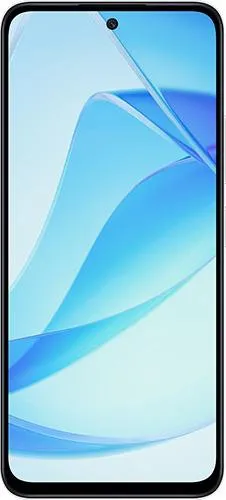
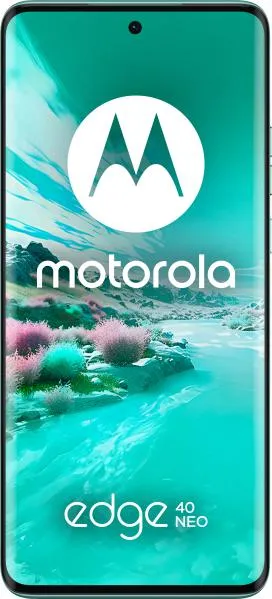
| Feature | Xiaomi Redmi 12 5G | Motorola Edge 40 Neo | Practical Impact |
|---|---|---|---|
| Design | |||
| Dimensions | 168.6 x 76.3 x 8.2 mm | 159.6 x 72 x 7.9 mm | The Motorola is noticeably smaller and thinner, making it more pocketable and easier to handle. |
| Weight | 199g | 170g | The Motorola is significantly lighter, reducing hand fatigue during extended use. |
| Build Materials | Not specified | Not specified | Cannot compare build quality and durability without more information. |
| Display | |||
| Display Type | IPS LCD | P-OLED | OLED offers deeper blacks, better contrast, and potentially lower power consumption. The Motorola's display will likely be more vibrant and visually appealing. |
| Display Size | 6.79" | 6.55" | The Redmi offers a slightly larger screen for media consumption, but the size difference is minimal. |
| Resolution | 1080 x 2460 | 1080 x 2400 | Virtually identical resolution; sharpness will be similar on both devices. |
| Refresh Rate | 90Hz | 144Hz | The Motorola's 144Hz refresh rate provides smoother scrolling and animations, especially noticeable in gaming and fast-paced UI interactions. |
| Peak Brightness | Not specified | 1300 nits | The Motorola's significantly higher peak brightness ensures better outdoor visibility in direct sunlight. The lack of data for the Redmi prevents a complete comparison. |
| Performance | |||
| Chipset | Snapdragon 4 Gen 2 (4nm) | Dimensity 7030 (6nm) | The Dimensity 7030 generally offers better performance in benchmarks, translating to smoother multitasking and potentially better gaming performance. |
| CPU | Octa-core (2x2.2 GHz Cortex-A78 & 6x1.95 GHz Cortex-A55) | Octa-core (2x2.5 GHz Cortex-A78 & 6x2.0 GHz Cortex-A55) | The Motorola has slightly higher clock speeds on both its performance and efficiency cores, indicating potentially faster processing. |
| GPU | Adreno 613 | Mali-G610 MC3 | The Mali-G610 MC3 generally provides better graphical performance compared to the Adreno 613, leading to smoother gaming and potentially better performance in graphically demanding apps. |
| RAM/Storage | 128GB/6GB | 256GB/12GB | The Motorola offers significantly more storage and RAM, allowing for more apps, files, and smoother multitasking. |
| Camera | |||
| Video Capabilities | 1080p@30fps | 4K@30fps, 1080p@ up to 240fps | The Motorola offers significantly better video recording capabilities, including 4K resolution and higher frame rate options for slow-motion video. Missing detailed camera specs prevent full comparison. |
| Battery | |||
| Capacity | 5000 mAh | 5000 mAh | Both phones have the same battery capacity, but real-world battery life depends on various factors like software optimization and display type. |
| Other | |||
| NFC | No | Yes | The Motorola supports NFC for contactless payments and other applications. |
| OS Updates | Up to Android 14 | Up to Android 15 | The Motorola offers longer software support with an extra Android OS update. |
2. Key Differences Analysis
Motorola Edge 40 Neo Advantages:
- Superior Display: Brighter, smoother, and with better color reproduction due to P-OLED technology and 144Hz refresh rate.
- Stronger Performance: More powerful chipset, CPU, and GPU for smoother multitasking and gaming. More RAM enables better performance with multiple open applications.
- Enhanced Video Recording: 4K resolution and high frame rate options provide more flexibility and quality for video content creation.
- Longer Software Support: Guaranteed update to Android 15, ensuring security and feature updates for a longer period.
- NFC Functionality: Enables contactless payments and data transfer.
- Lighter and More Compact: Easier to handle and carry.
Xiaomi Redmi 12 5G Advantages:
- Slightly Larger Display: Offers a marginally bigger screen for media consumption. However, the Motorola's superior display quality likely outweighs this minor size advantage.
3. User Profiles & Recommendations
Motorola Edge 40 Neo: Suitable for users who prioritize performance, a high-quality display, extended software updates, NFC functionality, and a lightweight design. Ideal for gamers, content creators, and those who use their phones heavily for multitasking.
Xiaomi Redmi 12 5G: Suitable for budget-conscious users who prioritize a large display and long battery life above all else. Best for users with basic smartphone needs.
4. Decision Framework
Key Questions for Buyers:
- What is your budget? Both are mid-range, but price differences might exist.
- What are your performance needs? Gamers and heavy multitaskers will prefer the Motorola.
- How important is display quality and camera functionality? The Motorola offers a significantly better display and video recording capabilities.
Scenario-Based Recommendations:
- Limited Budget: Consider the Redmi 12 5G if absolute lowest price is the primary concern.
- Balanced Needs: The Motorola Edge 40 Neo offers a compelling balance of performance, features, and modern design.
- Gaming/Content Creation: The Motorola is the clear winner due to its superior performance, display, and video recording capabilities.
My Choice: Motorola Edge 40 Neo
The Motorola Edge 40 Neo offers a significantly better overall package. Its superior display, stronger performance, longer software support, NFC functionality, and lighter design outweigh the Redmi's minor advantage in screen size. The Motorola's enhanced video capabilities also make it a better choice for content creation. While specific pricing wasn't provided, assuming they are similarly priced within the "medium price" range, the Motorola provides substantially more value. Even if the Redmi is slightly cheaper, the Motorola's advantages justify a reasonable price difference.
