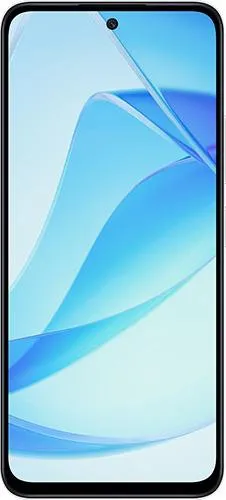
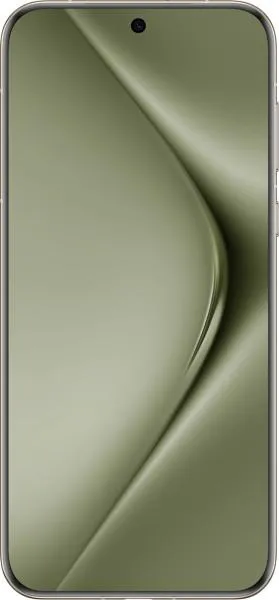
1. Specifications Comparison
| Feature | Xiaomi Redmi 12 5G | Huawei Pura 70 Ultra | Practical Impact |
|---|---|---|---|
| Design | |||
| Dimensions | 168.6 x 76.3 x 8.2 mm | 162.6 x 75.1 x 8.4 mm | The Huawei is slightly shorter and narrower, but marginally thicker. Real-world difference in size will be minimal. |
| Weight | 199g | 226g | The Huawei is noticeably heavier, potentially impacting one-handed use and pocket comfort. |
| Build Materials | Not specified | Not specified | Unable to compare build quality and durability without more information. |
| Display | |||
| Size | 6.79" | 6.8" | Negligible difference in screen real estate. |
| Type | IPS LCD | LTPO OLED | The Huawei's OLED will offer significantly better contrast, deeper blacks, and potentially higher power efficiency due to LTPO technology. |
| Resolution | 1080 x 2460 | 1260 x 2844 | The Huawei has a sharper display with a higher pixel density (460 ppi vs 396 ppi), resulting in crisper text and images. |
| Refresh Rate | 90Hz | 120Hz | The Huawei's 120Hz display will provide smoother scrolling and animations, leading to a more fluid user experience. |
| Peak Brightness | Not specified | 2500 nits | The Huawei's significantly higher peak brightness ensures excellent outdoor visibility, even in direct sunlight. The lack of information for the Redmi makes a direct comparison impossible. |
| Performance | |||
| Chipset | Snapdragon 4 Gen 2 (4nm) | Kirin 9010 (7nm) | The Kirin 9010 is a flagship-level processor, while the Snapdragon 4 Gen 2 is a budget-oriented chipset. The Huawei will offer significantly better performance in demanding tasks and gaming. |
| CPU | Octa-core (2x2.2 GHz Cortex-A78 & 6x1.95 GHz Cortex-A55) | Octa-core (1x2.3 GHz Taishan Big & 3x2.18 GHz Taishan Mid & 4x1.55 GHz Cortex-A510) | The Huawei's CPU architecture suggests a more powerful configuration, further reinforcing its performance advantage. |
| GPU | Adreno 613 | Not specified | Unable to quantify the GPU performance difference without specific details on the Huawei's GPU. |
| RAM | 6GB | 16GB | The Huawei offers substantially more RAM, enabling smoother multitasking and better handling of demanding applications. |
| Storage | 128GB | 1000GB | The Huawei offers massively more storage. |
| Battery | |||
| Capacity | 5000 mAh | 5200 mAh | The Huawei has a slightly larger battery, but real-world battery life depends on many factors, including display type and processor efficiency. |
| Other | |||
| OS | Android 13 | The missing OS information for the Huawei is a major gap. It's impossible to assess app availability, software features, and overall user experience without this information. | |
| NFC | No | Yes | The Huawei offers NFC functionality for contactless payments and other applications. |
| USB | USB Type-C | USB Type-C 3.1, OTG, DisplayPort 1.2 | The Huawei offers faster data transfer and display output capabilities through USB-C 3.1 and DisplayPort. |
2. Key Differences Analysis
- Performance: The Huawei Pura 70 Ultra significantly outperforms the Redmi 12 5G due to its flagship-level Kirin processor and larger RAM.
- Display: The Huawei's LTPO OLED display offers superior image quality, higher brightness, and a smoother 120Hz refresh rate compared to the Redmi's LCD.
- Storage: The Huawei provides a massive 1TB of storage compared to the Redmi's 128GB.
- Operating System: The lack of OS information for the Huawei is a critical concern. It's impossible to evaluate the phone's usability without knowing the OS.
3. User Profiles & Recommendations
- Redmi 12 5G: Budget-conscious users who prioritize basic functionality and affordability. Suitable for everyday tasks like web browsing, social media, and casual gaming.
- Huawei Pura 70 Ultra: Power users who demand top-tier performance, a premium display, and ample storage. Ideal for demanding tasks, gaming, and content creation. However, the unknown OS is a major caveat. Without a known OS, recommending this phone is impossible.
4. Decision Framework
- What is your budget? The Redmi 12 5G is a mid-range option, while the Huawei Pura 70 Ultra is likely a premium, high-priced device.
- What are your performance needs? For basic tasks, the Redmi is sufficient. For demanding applications and gaming, the Huawei is significantly more powerful.
- What is your priority for display quality? The Huawei's OLED offers a superior visual experience.
My Choice
I would choose neither phone at this point. The lack of OS information for the Huawei Pura 70 Ultra is a deal-breaker. Even with its impressive hardware, a phone without a known OS is a risky purchase. App compatibility, security updates, and overall user experience are all unknown. The Redmi 12 5G, while having a defined OS, is significantly less powerful and lacks the premium features I would look for in a smartphone. I would wait for more information on the Huawei's OS or explore other alternatives with clearly defined specifications and a reputable operating system.
