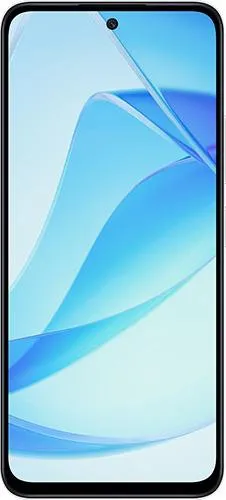
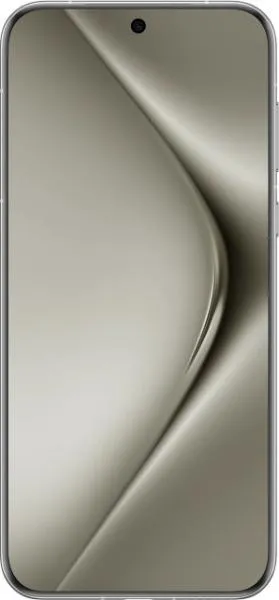
1. Specifications Comparison
| Feature | Xiaomi Redmi 12 5G | Huawei Pura 70 Pro | Practical Impact |
|---|---|---|---|
| Design | |||
| Dimensions | 168.6 x 76.3 x 8.2 mm | 162.6 x 75.1 x 8.4 mm | The Pura 70 Pro is slightly shorter and narrower, potentially making it more comfortable for one-handed use. Thickness is comparable. |
| Weight | 199g | 220g | The Redmi 12 5G is noticeably lighter, reducing hand fatigue during extended use. |
| Build Materials | Not specified | Not specified | Cannot compare build quality and durability without more information. |
| Display | |||
| Display Type | IPS LCD | LTPO OLED | OLED offers superior contrast, deeper blacks, and potentially better power efficiency due to per-pixel illumination. LTPO allows for dynamic refresh rate adjustment, further conserving battery. |
| Display Size | 6.79" | 6.8" | Negligible size difference in real-world usage. |
| Resolution | 1080 x 2460 | 1260 x 2844 | The Pura 70 Pro has a sharper display with higher pixel density (460 ppi vs 396 ppi), resulting in crisper text and images. |
| Refresh Rate | 90Hz | 120Hz | The Pura 70 Pro offers a smoother scrolling and animation experience thanks to the higher refresh rate. |
| Peak Brightness | Not specified | 2500 nits | The Pura 70 Pro's significantly higher peak brightness ensures excellent outdoor visibility even in direct sunlight. Lack of data for the Redmi makes a direct comparison impossible. |
| Performance | |||
| Chipset | Snapdragon 4 Gen 2 (4nm) | Kirin 9010 (7nm) | The Kirin 9010 is likely a more powerful chipset based on its node size and previous generation performance, leading to better overall performance and potentially improved graphics capabilities. However, real-world performance depends on optimization. |
| CPU | Octa-core (2x2.2 GHz Cortex-A78 & 6x1.95 GHz Cortex-A55) | Octa-core (1x2.3 GHz Taishan Big & 3x2.18 GHz Taishan Mid & 4x1.55 GHz Cortex-A510) | Difficult to compare CPU performance directly without benchmarks. Both are octa-core, but architectural differences make clock speed comparison less meaningful. |
| GPU | Adreno 613 | 8 | Insufficient information on the Pura 70 Pro's GPU. "8" is not a descriptive specification. |
| RAM | 6GB | 12GB | The Pura 70 Pro offers double the RAM, enabling better multitasking and smoother performance with demanding applications. |
| Storage | 128GB | 512GB/1000GB | The Pura 70 Pro provides significantly more storage for apps, media, and files. |
| Other | |||
| Battery | 5000 mAh | 5050 mAh | Negligible difference in battery capacity. Real-world battery life depends on factors like display, chipset efficiency, and software optimization. |
| OS | Android 13 | Not specified | Cannot compare OS features and user experience without knowing the Pura 70 Pro's OS. |
| NFC | No | Yes | The Pura 70 Pro supports NFC for contactless payments and other functionalities. |
2. Key Differences Analysis
Xiaomi Redmi 12 5G Advantages:
- Lighter weight, more comfortable for extended use.
- Potentially lower price (given the generally lower specs).
Huawei Pura 70 Pro Advantages:
- Superior display: OLED with higher resolution, refresh rate, and peak brightness.
- More powerful chipset and significantly more RAM, promising smoother performance.
- Larger storage options.
- NFC functionality for contactless payments.
3. User Profiles & Recommendations
Xiaomi Redmi 12 5G: Budget-conscious users who prioritize a lightweight phone for basic tasks like calling, messaging, and web browsing.
Huawei Pura 70 Pro: Users who value a premium display and performance for demanding tasks like gaming, media consumption, and multitasking. Users who require ample storage and utilize NFC functionality.
4. Decision Framework
Key Questions:
- What is your budget?
- What are your primary smartphone usage patterns?
- Which features are most important to you (display quality, performance, battery life, NFC)?
Scenario-Based Recommendations:
- Limited Budget, Basic Usage: Redmi 12 5G
- Demanding User, Premium Experience: Pura 70 Pro
My Choice: Huawei Pura 70 Pro
While lacking some key information (GPU, OS), the Huawei Pura 70 Pro appears to be the superior device overall. The significantly better display, increased performance (RAM, Chipset), larger storage options, and NFC functionality outweigh the slightly heavier weight. The Redmi 12 5G is a decent budget option, but the Pura 70 Pro offers a more compelling user experience for a broader range of tasks. However, the unknown OS is a concern. If it lacks crucial Google services, that would negatively impact my decision. Additionally, pricing would heavily influence the final choice. A significantly higher price for the Pura 70 Pro might shift the value proposition towards the Redmi 12 5G depending on individual needs and budget constraints.
