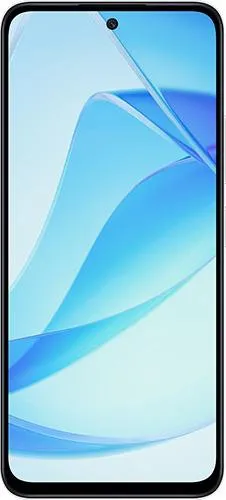
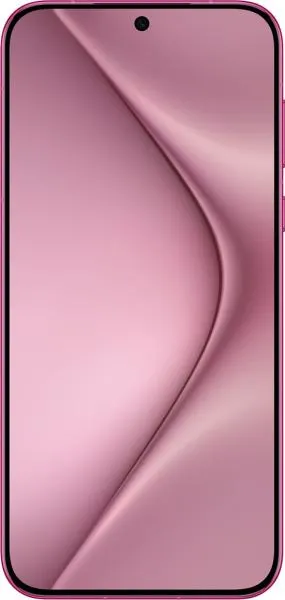
1. Specifications Comparison
| Feature | Xiaomi Redmi 12 5G | Huawei Pura 70 | Practical Impact |
|---|---|---|---|
| Design | |||
| Dimensions | 168.6 x 76.3 x 8.2 mm | 157.6 x 74.3 x 8 mm | The Huawei Pura 70 is noticeably shorter and slightly narrower, making it potentially more comfortable for one-handed use. |
| Weight | 199g | 207g | The weight difference is minimal and unlikely to be noticeable in daily use. |
| Build Materials | Not specified | Not specified | Cannot compare without more information. |
| Display | |||
| Display Type | IPS LCD, 90Hz | LTPO OLED, 120Hz | The Pura 70's OLED display offers superior contrast, deeper blacks, and potentially better power efficiency due to LTPO technology. Its higher refresh rate should result in smoother animations and scrolling. |
| Size | 6.79 inches | 6.6 inches | Negligible size difference. |
| Resolution | 1080 x 2460 | 1256 x 2760 | The Pura 70 has a sharper display with higher pixel density (460 vs 396 ppi), resulting in crisper text and images. |
| Peak Brightness | Not specified | 2500 nits | The Pura 70's significantly higher peak brightness ensures excellent outdoor visibility. The Redmi 12 5G's unspecified brightness might be problematic in direct sunlight. |
| Performance | |||
| Chipset | Qualcomm Snapdragon 4 Gen 2 | Kirin 9000S1 | The Kirin 9000S1 is likely a significantly more powerful chipset, enabling smoother multitasking, faster app loading, and better gaming performance. Direct comparison is difficult without benchmarks for the Kirin chip. |
| CPU | Octa-core (2x2.2 GHz Cortex-A78 & 6x1.95 GHz Cortex-A55) | Octa-core (Specific core configuration unspecified) | The Redmi 12 5G provides specific core details allowing for some performance estimation. Without details on the Pura 70's CPU cores, a direct performance comparison is limited. |
| GPU | Adreno 613 | 8 (Unspecified GPU model) | Without knowing the specific GPU in the Pura 70, comparing graphical performance is impossible. "8" likely refers to core count but lacks crucial information. |
| RAM | 6GB | 12GB | The Pura 70's double the RAM allows for significantly more apps to run in the background without reloading, improving multitasking performance. |
| Storage | 128GB | 512GB | The Pura 70 offers substantially more storage for apps, photos, videos, and other files. |
| Battery | |||
| Capacity | 5000 mAh | 4900 mAh | The Redmi 12 5G has a slightly larger battery, but real-world battery life depends on numerous factors, including display type and processor efficiency. |
| Other | |||
| OS | Android 13 | Unspecified | A major missing specification. The OS significantly impacts the user experience. |
| NFC | No | Yes | NFC enables contactless payments and other convenient features. |
| USB | USB Type-C | USB Type-C 3.1, OTG, DisplayPort 1.2 | The Pura 70 offers faster data transfer and display output capabilities with its USB 3.1 and DisplayPort support. |
| Video Capabilities | 1080p@30fps | Not specified | We cannot compare video recording capabilities without information on the Pura 70. |
2. Key Differences Analysis
Xiaomi Redmi 12 5G Advantages:
- Potentially longer battery life due to slightly larger capacity and less demanding display.
- Specific CPU information allows for some performance estimation.
Huawei Pura 70 Advantages:
- Superior Display: Higher resolution, refresh rate, peak brightness, and OLED technology significantly enhance the visual experience.
- More Powerful: The Kirin 9000S1 is likely a significantly higher-performing chipset, though direct comparison is difficult without benchmarks.
- Larger RAM and Storage: Double the RAM and quadruple the storage provide a smoother and more versatile user experience.
- Added Features: NFC for contactless payments and a more advanced USB configuration offer practical benefits.
3. User Profiles & Recommendations
Xiaomi Redmi 12 5G: Budget-conscious users prioritizing basic functionality and potentially longer battery life. Suitable for light tasks like web browsing, social media, and casual gaming.
Huawei Pura 70: Users who value a premium display, strong performance, and ample storage. Ideal for demanding tasks like gaming, video editing, and multitasking.
4. Decision Framework
Key Questions:
- What is your budget? The Redmi 12 5G is likely more affordable.
- What are your primary use cases? Demanding tasks favor the Pura 70.
- How important is display quality? The Pura 70 offers a vastly superior display.
My Choice: Huawei Pura 70
Despite missing some key specifications for the Huawei Pura 70, the available information points to a significantly more capable device. The superior display, larger RAM and storage, likely more powerful processor, and added features like NFC outweigh the potential benefits of the Redmi 12 5G's slightly larger battery. The lack of OS information for the Pura 70 is a concern, but assuming it runs a modern version of HarmonyOS or Android, it remains the more compelling choice for a user who values performance and a premium experience. The Redmi 12 5G seems geared towards a more budget-conscious user with less demanding needs.
