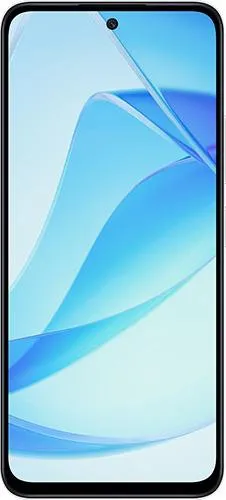
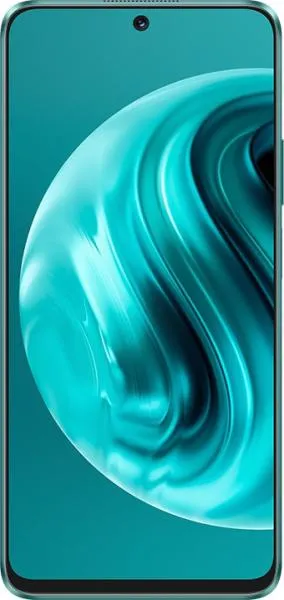
1. Specifications Comparison
| Feature | Category | Xiaomi Redmi 12 5G | Huawei nova 12i | Practical Impact |
|---|---|---|---|---|
| Dimensions | Design | 168.6 x 76.3 x 8.2 mm | 163.3 x 74.7 x 8.4 mm | The nova 12i is slightly smaller and may feel more comfortable in hand, but the Redmi is marginally thinner. |
| Weight | Design | 199g | 199g | Both phones weigh the same. |
| Display Size | Display | 6.79" | 6.7" | The Redmi 12 has a slightly larger display, providing a more immersive experience for media consumption. |
| Display Type | Display | IPS LCD, 90Hz, 550 nits | IPS LCD, 90Hz | Both use the same display technology with the same refresh rate, resulting in smooth scrolling and animations. The Redmi 12 specifies a typical brightness of 550 nits, while the nova 12i lacks this information making a direct comparison impossible. |
| Resolution | Display | 1080 x 2460 | 1080 x 2388 | Both offer sharp Full HD+ resolution, but the Redmi 12's slightly taller aspect ratio results in a slightly higher pixel density. |
| Chipset | Performance | Snapdragon 4 Gen 2 (4nm) | Snapdragon 680 4G (6nm) | The Redmi 12's newer and more efficient 4nm chipset should provide better performance and power management compared to the nova 12i's 6nm Snapdragon 680. |
| CPU | Performance | Octa-core (2x2.2 GHz Cortex-A78 & 6x1.95 GHz Cortex-A55) | Octa-core (4x2.4 GHz Cortex-A73 & 4x1.9 GHz Cortex-A53) | While clock speeds might suggest otherwise, the Redmi 12, with its newer core architecture, is likely to offer better overall CPU performance. |
| GPU | Performance | Adreno 613 | Adreno 610 | The Redmi 12 has a slightly more powerful GPU, potentially offering slightly smoother gaming performance. |
| RAM/Storage | Performance | 128GB/6GB RAM | 256GB/8GB RAM | The nova 12i offers double the storage and more RAM, beneficial for multitasking and storing large files. |
| Battery Capacity | Battery | 5000 mAh | 5000 mAh | Both phones have the same battery capacity. Battery life will depend on usage and optimization. |
| OS | Software | Android 13 | A significant omission - the OS for the nova 12i is unknown. This makes it impossible to assess software features and long-term update prospects. | |
| NFC | Connectivity | No | Yes | The nova 12i supports NFC for contactless payments and other functionalities, a significant advantage over the Redmi 12. |
| USB | Connectivity | USB Type-C | USB Type-C 2.0 | While both utilize USB-C, the specific USB standard for the Redmi 12 isn't provided, hindering a complete comparison. |
| Video Capabilities | Camera | 1080p@30fps | 1080p@30fps | Both offer similar basic video recording capabilities. Further camera specifications (e.g., sensor size, megapixels) are missing, preventing a thorough camera comparison. |
2. Key Differences Analysis
Xiaomi Redmi 12 5G Advantages:
- Superior Performance: The newer chipset and CPU architecture suggest notably better performance and efficiency.
- 5G Connectivity: Offers faster download and upload speeds in areas with 5G coverage.
Huawei nova 12i Advantages:
- Larger Storage and RAM: Provides more space for apps, files, and smoother multitasking.
- NFC Functionality: Enables contactless payments and other convenient features.
3. User Profiles & Recommendations
Redmi 12 5G: Suitable for users prioritizing performance, future-proofing with 5G, and who are comfortable with less storage. Ideal use cases: mobile gaming, streaming high-definition content.
Nova 12i: Suitable for users who prioritize storage space, NFC functionality, and are primarily using their phone for everyday tasks like social media, browsing, and light gaming.
4. Decision Framework
Key Questions:
- Is 5G connectivity crucial? If yes, the Redmi 12 5G is the only option.
- Is ample storage space a priority? If yes, the nova 12i's 256GB storage is a significant advantage.
- Which is more important: raw performance or NFC functionality? This depends on individual usage patterns.
My Choice: Xiaomi Redmi 12 5G
While the Huawei nova 12i offers more storage and NFC, the lack of information about its operating system is a major red flag. The Redmi 12 5G's superior performance due to its newer processor and 5G connectivity makes it a more compelling choice for future-proofing. The performance difference will likely be noticeable in everyday use and demanding tasks. I prioritize performance and long-term value, and the Redmi 12 5G delivers in these crucial areas. While 128GB storage is less than ideal, cloud storage solutions can supplement this limitation. The absence of NFC is inconvenient, but mobile payment alternatives exist. The uncertainty surrounding the nova 12i's software outweighs its advantages in storage and NFC.
