1. Specifications Comparison
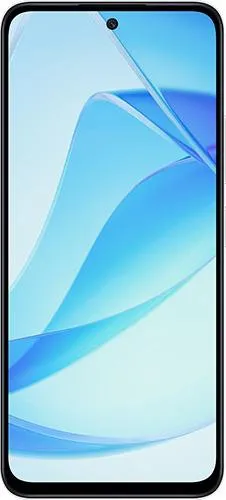
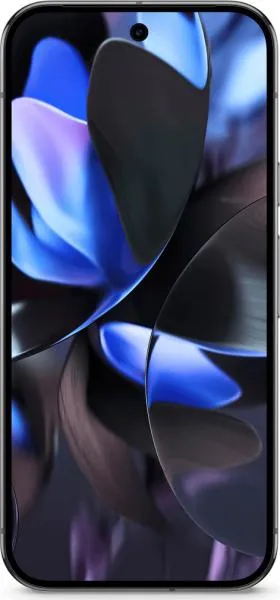
| Feature | Xiaomi Redmi 12 5G | Google Pixel 9 Pro XL | Practical Impact |
|---|---|---|---|
| Design | |||
| Dimensions | 168.6 x 76.3 x 8.2 mm | 162.8 x 76.6 x 8.5 mm | Pixel slightly shorter and thinner, Redmi slightly less thick. Negligible difference in hand feel for most users. |
| Weight | 199g | 221g | Redmi noticeably lighter, reducing hand fatigue during extended use. |
| Build Materials | Not specified | Not specified | Cannot compare build quality and durability without more information. |
| Display | |||
| Display Type | IPS LCD | LTPO OLED | Pixel offers superior contrast, deeper blacks, and potentially better power efficiency due to individual pixel illumination. Redmi's LCD may offer better visibility in direct sunlight. |
| Size | 6.79" | 6.8" | Virtually identical screen sizes. |
| Resolution | 1080 x 2460 | 1344 x 2992 | Pixel has significantly sharper display due to higher resolution (resulting in higher PPI). |
| Refresh Rate | 90Hz | 120Hz | Pixel provides smoother scrolling and animations, more responsive gaming experience. |
| Peak Brightness | Not specified | 3000 nits | Pixel's exceptional peak brightness ensures excellent outdoor visibility even in bright sunlight. Missing Redmi data prevents comparison. |
| Performance | |||
| Chipset | Snapdragon 4 Gen 2 | Google Tensor G4 | Tensor G4 is expected to offer significantly better performance in demanding tasks and AI processing. Snapdragon 4 Gen 2 targets efficiency. |
| CPU | Octa-core (2x2.2 GHz A78 & 6x1.95 GHz A55) | Octa-core (1x3.1 GHz X4 & 3x2.6 GHz A720 & 4x1.92 GHz A520) | Pixel's CPU architecture, featuring a powerful Cortex-X4 core, will deliver superior performance in demanding applications and multitasking. |
| GPU | Adreno 613 | Mali-G715 MC7 | Pixel likely possesses superior graphics performance for gaming and visually intensive applications. Specific benchmarks are needed for accurate comparison. |
| RAM | 6GB | 16GB | Pixel's significantly larger RAM enables superior multitasking and smoother performance, particularly with demanding apps. |
| Storage | 128GB | 256GB/512GB/1TB | Pixel offers much larger storage options for users who need to store large files or many apps. |
| Camera | |||
| Video Capabilities | 1080p@30fps | Up to 8K@30fps, 1080p@240fps | Pixel offers vastly superior video recording capabilities with higher resolution, frame rates, and likely improved stabilization (OIS/EIS indicated). |
| Other Camera Specs | Not specified | Not specified | Cannot compare image quality, sensor size, lens features without more information. |
| Battery | |||
| Capacity | 5000 mAh | 5060 mAh | Negligible difference in battery capacity. Real-world battery life depends on software optimization and usage patterns. |
| Other Features | |||
| OS | Android 13 | Android 14 | Both phones run on Android, but Pixel will receive longer OS updates thanks to Google's commitment. |
| NFC | No | Yes | Pixel supports contactless payments and data transfer via NFC. |
| USB | USB Type-C | USB Type-C 3.2 | Pixel offers faster data transfer speeds with USB 3.2. |
2. Key Differences Analysis
Xiaomi Redmi 12 5G Advantages:
- Lower Price: Belonging to the "medium price" range, it is significantly more affordable.
- Lighter Weight: Noticeably lighter, improving comfort for extended use.
Google Pixel 9 Pro XL Advantages:
- Superior Display: Higher resolution, refresh rate, peak brightness, and OLED technology provide a dramatically better visual experience.
- Significantly Faster Performance: More powerful CPU, GPU, and larger RAM ensure smooth operation even with demanding tasks and games.
- Advanced Camera Features: Significantly better video recording capabilities.
- Longer Software Support: Expected to receive more OS and security updates.
- Premium Features: NFC for contactless payments, faster USB data transfer.
Trade-offs:
- Price: The Pixel 9 Pro XL's premium features come at a significantly higher price.
- Weight: The Pixel is heavier, potentially leading to fatigue during prolonged use.
3. User Profiles & Recommendations
Xiaomi Redmi 12 5G:
- Budget-conscious users: Prioritize affordability over top-tier specs.
- Light users: Primarily use their phone for basic tasks like calling, texting, and social media browsing.
Google Pixel 9 Pro XL:
- Power users: Demand top-tier performance for gaming, multitasking, and demanding applications.
- Photography/Videography enthusiasts: Require high-quality camera capabilities.
- Users who value software updates: Prioritize long-term security and feature updates.
- Tech enthusiasts: Desire the latest and greatest technology.
4. Decision Framework
Key Questions:
- What is your budget? The Redmi is a budget-friendly option, while the Pixel commands a premium price.
- What are your primary phone usage patterns? Light users may find the Redmi sufficient, while power users will appreciate the Pixel's performance.
- How important are camera quality and software updates? The Pixel excels in both areas.
Scenario-Based Recommendations:
- Limited Budget, Basic Usage: Redmi 12 5G
- Demanding Tasks, Gaming, Future-Proofing: Pixel 9 Pro XL
- Best Camera, Long Software Support: Pixel 9 Pro XL
My Choice: Google Pixel 9 Pro XL
While the Redmi 12 5G offers excellent value for its price, the Pixel 9 Pro XL's superior display, performance, camera, and software support are decisive factors for me. I prioritize a smooth and responsive user experience, long-term software updates, and high-quality visuals. The higher price is justified by the significant improvements in these crucial areas. The added benefits of NFC and faster data transfer further solidify my choice. While the weight difference is notable, it's not a deal-breaker considering the overall package offered by the Pixel.
