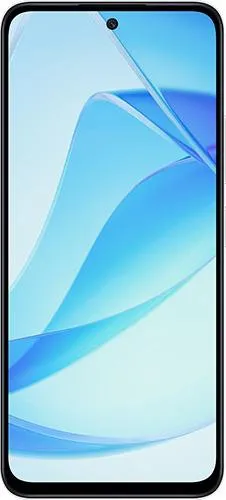

1. Specifications Comparison
| Feature | Xiaomi Redmi 12 5G | Google Pixel 9 Pro | Practical Impact |
|---|---|---|---|
| Design | |||
| Dimensions | 168.6 x 76.3 x 8.2 mm | 152.8 x 72 x 8.5 mm | Pixel 9 Pro is noticeably smaller and might be more comfortable for one-handed use. |
| Weight | 199g | 199g | Both phones weigh the same. |
| Build Materials | Not specified | Not specified | Cannot compare build quality and durability without more information. |
| Display | |||
| Display Type | IPS LCD, 90Hz | LTPO OLED, 120Hz | Pixel 9 Pro's OLED offers deeper blacks, more vibrant colors, and potentially better power efficiency due to individual pixel illumination. The 120Hz refresh rate provides smoother animations and scrolling compared to the Redmi's 90Hz. |
| Size | 6.79" | 6.3" | Redmi 12 offers a larger screen for media consumption, while Pixel 9 Pro offers a more compact form factor. |
| Resolution | 1080 x 2460 | 1280x2856 | Pixel 9 Pro has a slightly sharper display (higher PPI - 495 vs 396). |
| Peak Brightness | Not specified | 3000 nits | Pixel 9 Pro will be significantly more visible in direct sunlight. The lack of peak brightness specification for the Redmi makes a direct comparison impossible. |
| Performance | |||
| Chipset | Snapdragon 4 Gen 2 | Google Tensor G4 | Tensor G4, being a flagship chip, is expected to offer significantly better performance in demanding tasks, gaming, and AI processing. |
| CPU | Octa-core (2x2.2 GHz Cortex-A78 & 6x1.95 GHz Cortex-A55) | Octa-core (1x3.1 GHz Cortex-X4 & 3x2.6 GHz Cortex-A720 & 4x1.92 GHz Cortex-A520) | The Tensor G4's more powerful core architecture should translate to noticeably faster app loading, multitasking, and overall responsiveness. |
| GPU | Adreno 613 | Mali-G715 MC7 | Mali-G715 MC7 in the Pixel will likely offer superior graphics performance for gaming. |
| RAM | 6GB | 16GB | Pixel 9 Pro's significantly larger RAM allows for much smoother multitasking and keeps more apps open in the background without reloading. |
| Storage | 128GB | 256GB/512GB/1TB | Pixel 9 Pro provides considerably more storage options for users with large media libraries or who install many apps. |
| Battery | |||
| Capacity | 5000 mAh | 4700 mAh | Redmi 12 has a slightly larger battery capacity, but real-world battery life depends on various factors, including software optimization and display efficiency. |
| Other | |||
| OS | Android 13 | Android 14 | Pixel 9 Pro comes with the latest Android version and will receive longer software updates directly from Google. |
| NFC | No | Yes | Pixel 9 Pro supports contactless payments and data transfer via NFC. |
| USB | USB Type-C | USB Type-C 3.2 | Pixel 9 Pro's USB 3.2 offers significantly faster data transfer speeds. |
| Video Capabilities | 1080p@30fps | Up to 8K@30fps | Pixel 9 Pro boasts vastly superior video recording capabilities including higher resolution and frame rates, along with HDR, OIS, and EIS. |
2. Key Differences Analysis
Xiaomi Redmi 12 5G Advantages:
- Larger Display: Better for media consumption.
- Potentially Longer Battery Life: Slightly higher battery capacity. However, without real-world testing, this is speculative.
- Lower Price: Significantly more affordable.
Google Pixel 9 Pro Advantages:
- Superior Performance: Much faster processor, GPU, and significantly more RAM.
- Higher Quality Display: OLED with higher resolution, refresh rate, and peak brightness.
- Better Camera: Significantly better video recording capabilities. We lack detailed camera specs for proper comparison, but generally Pixel phones excel in photography.
- Longer Software Support: Guaranteed updates directly from Google.
- More Premium Features: NFC, faster USB standard, under-display fingerprint sensor.
3. User Profiles & Recommendations
Xiaomi Redmi 12 5G: Budget-conscious users who prioritize a large display for media consumption and basic smartphone functionality. Suitable for casual users who are not demanding in terms of performance or advanced features.
Google Pixel 9 Pro: Users who demand top-tier performance, a premium display, the best camera experience, and the latest software with guaranteed updates. Suitable for power users, gamers, photographers, and videographers.
4. Decision Framework
Key Questions for Buyers:
- What is your budget? The Redmi 12 5G is significantly more affordable.
- What are your performance needs? For demanding tasks and gaming, the Pixel 9 Pro is far superior.
- How important are camera quality and software updates? The Pixel 9 Pro excels in these areas.
Scenario-Based Recommendations:
- Limited Budget: Redmi 12 5G
- Best Performance: Pixel 9 Pro
- Photography Enthusiast: Pixel 9 Pro
- Long-Term Software Support: Pixel 9 Pro
My Choice: Google Pixel 9 Pro
While the Redmi 12 5G offers excellent value for its price, the Pixel 9 Pro is the clear winner for me. Its superior performance, vastly improved display, longer software support, and advanced features like NFC justify the higher price. The significantly improved camera capabilities for both photo and video (based on Pixel's historical performance) are also a major deciding factor. I prioritize a smooth and responsive user experience, long-term usability with guaranteed updates, and a high-quality display, making the Pixel 9 Pro the better choice despite the higher cost. The compact form factor is also preferable for me over a larger device.
