1. Specifications Comparison
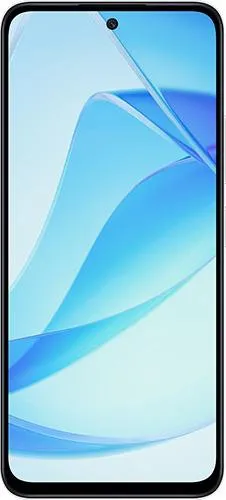
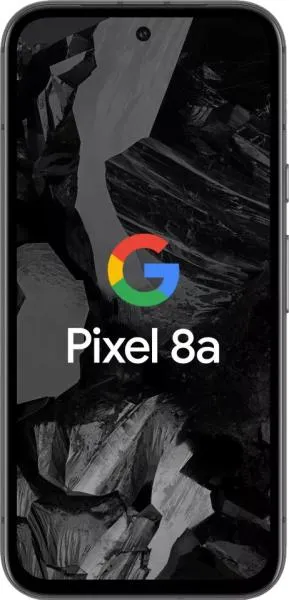
| Feature | Xiaomi Redmi 12 5G | Google Pixel 8a | Practical Impact |
|---|---|---|---|
| Design | |||
| Dimensions | 168.6 x 76.3 x 8.2 mm | 152.1 x 72.7 x 8.9 mm | Pixel 8a is noticeably smaller and might be more comfortable for one-handed use. Redmi 12 is thinner. |
| Weight | 199g | 188g | Pixel 8a is slightly lighter, improving handling comfort. |
| Build Materials | Not specified | Not specified | Unable to compare build quality and durability without more information. |
| Display | |||
| Size | 6.79" | 6.1" | Redmi 12 offers a significantly larger screen for media consumption, while Pixel 8a provides a more compact form factor. |
| Type | IPS LCD, 90Hz | OLED, HDR, 120Hz | Pixel 8a's OLED offers superior contrast, deeper blacks, and HDR support. Its 120Hz refresh rate delivers smoother animations than Redmi's 90Hz. |
| Resolution | 1080 x 2460 | 1080 x 2400 | Similar pixel density, but Pixel 8a's smaller size results in slightly sharper visuals (430 vs 396 PPI). |
| Peak Brightness | Not specified | 2000 nits | Pixel 8a's significantly higher peak brightness ensures excellent outdoor visibility. Lack of data for Redmi 12 hinders comparison. |
| Performance | |||
| Chipset | Snapdragon 4 Gen 2 | Google Tensor G3 | Tensor G3, being a flagship-grade chip, is expected to offer significantly better performance in demanding tasks and gaming. |
| CPU | Octa-core | Nona-core | Tensor G3's more powerful and efficient core configuration provides a performance advantage. |
| GPU | Adreno 613 | Immortalis-G715s | Immortalis-G715s offers substantially improved graphics performance for gaming and demanding applications. |
| RAM | 6GB | 8GB | Pixel 8a's extra RAM allows for smoother multitasking and better handling of demanding applications. |
| Storage | 128GB | 256GB | Pixel 8a offers double the storage, crucial for users who store lots of media or apps. |
| Camera | |||
| Video Capabilities | 1080p@30fps | Up to 4K@60fps, 1080p@240fps | Pixel 8a offers significantly superior video recording capabilities with higher resolution, frame rates, and optical image stabilization (OIS). |
| Battery | |||
| Capacity | 5000 mAh | 4492 mAh | Redmi 12 has a slightly larger battery capacity, potentially offering longer battery life. However, real-world usage will vary. |
2. Key Differences Analysis
Xiaomi Redmi 12 5G Advantages:
- Larger Display: Better for media consumption and gaming.
- Potentially Longer Battery Life: Larger battery capacity might offer extended usage.
Google Pixel 8a Advantages:
- Superior Performance: Tensor G3 chip provides significantly faster processing and graphics.
- Higher Quality Display: OLED with HDR and 120Hz delivers vibrant colors, deep blacks, and smooth animations.
- More Storage: 256GB offers ample space for apps, photos, and videos.
- Better Camera: Significantly better video recording capabilities.
- Brighter Display: Much better outdoor visibility.
- More RAM: Smoother multitasking and handling of demanding applications.
- NFC: Enables contactless payments and other NFC functionalities.
- Faster Charging & Data Transfer (USB 3.2): Not quantified in specs but generally faster than USB Type-C without a version specified.
3. User Profiles & Recommendations
Xiaomi Redmi 12 5G: Budget-conscious users who prioritize a large display and long battery life for basic tasks like browsing, social media, and casual gaming.
Google Pixel 8a: Users who value performance, a high-quality display, a great camera, and a premium software experience. Ideal for demanding tasks, gaming, photography, and videography.
4. Decision Framework
Key Questions for Buyers:
- What is your budget? Both are mid-range, but the Pixel 8a is likely more expensive.
- What are your primary use cases? Gaming and demanding tasks favor the Pixel 8a. Media consumption on a large screen favors the Redmi 12.
- Do you prioritize camera quality and features? The Pixel 8a significantly outperforms the Redmi 12 in this area.
My Choice: Google Pixel 8a
While the Redmi 12 5G offers a larger display and potentially longer battery life, the Pixel 8a's superior performance, significantly better display quality, larger storage, vastly improved camera, and inclusion of NFC make it the clear winner for me. The Tensor G3, OLED display with 120Hz, and the advanced camera features offer a substantially better user experience. Although the Redmi 12 might be more appealing to budget-conscious users, the Pixel 8a offers greater long-term value and a more future-proof device due to its superior hardware and software support. I value a smooth and responsive experience, high-quality visuals, and a good camera, making the Pixel 8a the better choice for my needs.
