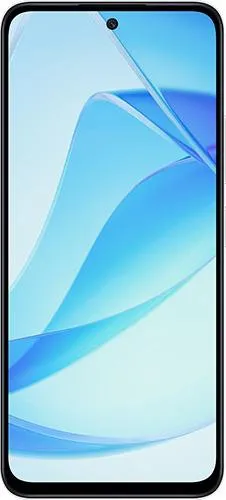

1. Specifications Comparison
| Feature | Xiaomi Redmi 12 5G | Google Pixel 8 Pro | Practical Impact |
|---|---|---|---|
| Design | |||
| Dimensions | 168.6 x 76.3 x 8.2 mm | 162.6 x 76.5 x 8.8 mm | Pixel slightly shorter, narrower, but thicker. Negligible difference in hand feel. |
| Weight | 199g | 213g | Redmi noticeably lighter, reducing hand fatigue during extended use. |
| Build | Unspecified | Unspecified | Material differences could impact durability and premium feel. Lack of information limits comparison. |
| Display | |||
| Display Type | IPS LCD, 90Hz | LTPO OLED, 120Hz | Pixel offers superior contrast, deeper blacks, and smoother scrolling due to OLED and higher refresh rate. |
| Size | 6.79" | 6.7" | Negligible size difference. |
| Resolution | 1080 x 2460 | 1344 x 2992 | Pixel has a sharper display with higher pixel density (489 vs 396 ppi), resulting in crisper text and images. |
| Peak Brightness | 550 nits | 2400 nits | Pixel significantly brighter, ensuring excellent outdoor visibility even in direct sunlight. |
| Performance | |||
| Chipset | Snapdragon 4 Gen 2 | Google Tensor G3 | Tensor G3 expected to offer significantly better performance in demanding tasks and AI processing. |
| CPU | Octa-core (2x2.2 GHz A78 & 6x1.95 GHz A55) | Nona-core (1x3.0 GHz X3 & 4x2.45 GHz A715 & 4x2.15 GHz A510) | Pixel's more powerful CPU architecture and higher clock speeds will result in faster app loading, smoother multitasking, and better gaming performance. |
| GPU | Adreno 613 | Immortalis-G715 MC10 | Pixel's GPU significantly more powerful, enabling higher graphics settings in games and smoother performance in graphically intensive applications. |
| RAM | 6GB | 12GB | Pixel offers double the RAM, allowing for more apps to run in the background without performance slowdown. |
| Storage | 128GB | 256GB, 512GB, 1TB | Pixel offers significantly more storage options for users with large media libraries or who install many apps. |
| Camera | |||
| Video Capabilities | 1080p@30fps | Up to 4K@60fps, 1080p@240fps | Pixel offers superior video recording capabilities with higher resolution, frame rates, and features like HDR, OIS, and EIS. |
| Detailed Camera Specs | Missing | Missing | Cannot compare image quality, low-light performance, or specific camera features without detailed sensor and lens information. |
| Battery | |||
| Capacity | 5000 mAh | 5050 mAh | Negligible difference in battery capacity. Real-world battery life will depend on software optimization and usage patterns. |
| Other | |||
| OS & Updates | Android 13, up to 14 | Android 14, up to 21 | Pixel will receive significantly longer software updates and security patches, ensuring a longer lifespan and access to new features. |
| NFC | No | Yes | Pixel supports contactless payments and data transfer via NFC. |
2. Key Differences Analysis
Pixel 8 Pro Advantages:
- Superior Display: Brighter, sharper, smoother, and with better color reproduction due to OLED technology and higher refresh rate.
- Significantly Better Performance: More powerful CPU and GPU for smoother multitasking, gaming, and demanding applications.
- More RAM and Storage: Enables smoother performance and accommodates larger data storage needs.
- Longer Software Support: Guarantees security updates and new features for a longer period.
- Advanced Camera Features: Wider range of video recording capabilities. (Detailed comparison limited by missing camera specs)
- NFC for Contactless Payments: Added convenience for daily transactions.
Redmi 12 5G Advantages:
- Lighter Weight: More comfortable for extended use.
- Lower Price: (Inferring based on brand and specs) Likely more budget-friendly.
Trade-offs:
- Redmi sacrifices performance, display quality, and features for a potentially lower price and lighter weight.
- Pixel's higher performance and advanced features come at a premium price and slightly heavier weight.
3. User Profiles & Recommendations
Redmi 12 5G: Budget-conscious users who prioritize basic communication, web browsing, and light media consumption. Users who value a lightweight phone.
Pixel 8 Pro: Users who demand top-tier performance, a premium display, the latest software, extended software support, and advanced camera capabilities. Power users, gamers, photographers, and videographers.
4. Decision Framework
Key Questions:
- What is your budget? The Pixel 8 Pro is a flagship device with a significantly higher price tag.
- What are your primary smartphone uses? Basic tasks vs. demanding applications, gaming, and photography/videography.
- How important are software updates and long-term support?
Scenario-Based Recommendations:
- Limited Budget, Basic Usage: Redmi 12 5G
- Demanding User, Value Performance and Features: Pixel 8 Pro
- Photographer/Videographer: Pixel 8 Pro (assuming superior camera hardware based on general Pixel camera reputation)
My Choice: Google Pixel 8 Pro
While lacking specific camera sensor details limits a full evaluation, the Pixel 8 Pro is the clear winner for me. I prioritize a smooth user experience, long-term software support, a vibrant display, and strong performance. The Pixel excels in all these areas. The significantly longer software update commitment ensures the device will remain secure and feature-rich for years. The superior display and performance are crucial for my daily workflow and entertainment consumption. While the Redmi 12 5G offers a lighter weight at a potentially lower price, the compromises in performance, display quality, and features are too significant for my needs. The investment in the Pixel 8 Pro is justified by its longevity, superior user experience, and access to cutting-edge features.
