1. Specifications Comparison
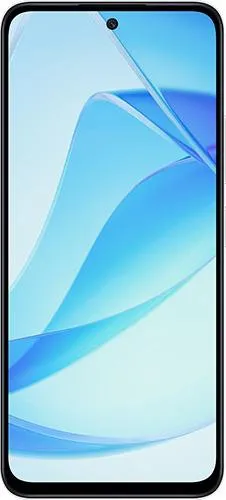
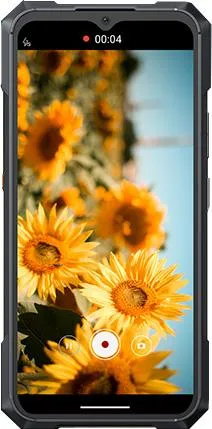
| Feature | Xiaomi Redmi 12 5G | Cubot KingKong X | Practical Impact |
|---|---|---|---|
| Design | |||
| Dimensions (mm) | 168.6 x 76.3 x 8.2 | 170.9 x 82.2 x 18.7 | The Cubot is significantly larger and thicker, potentially less pocketable. The Redmi is slimmer and more compact. |
| Weight (g) | 199 | 388 | The Cubot is almost twice as heavy, impacting one-handed use and portability. Redmi offers a lighter experience. |
| Build Materials | Not specified | Not specified | Build material impacts durability and premium feel. Lack of information limits comparison. |
| Display | |||
| Size (inches) | 6.79 | 6.58 | Negligible difference in screen real estate. |
| Type | IPS LCD | IPS LCD | Both offer similar color accuracy and viewing angles, typical of IPS LCD technology. |
| Resolution | 1080 x 2460 | 1080 x 2408 | Virtually identical resolution, resulting in similar sharpness. |
| Refresh Rate (Hz) | 90 | 120 | The Cubot's 120Hz display will provide smoother animations and scrolling compared to the Redmi's 90Hz. |
| Peak Brightness (nits) | Not specified | Not specified | Peak brightness impacts outdoor visibility. Lack of information limits comparison. |
| Performance | |||
| Chipset | Snapdragon 4 Gen 2 (4nm) | Dimensity 7050 (6nm) | The Dimensity 7050 generally offers better performance in benchmarks and potentially smoother multitasking. |
| CPU | Octa-core (2x2.2 GHz Cortex-A78 & 6x1.95 GHz Cortex-A55) | Octa-core (2x2.6 GHz Cortex-A78 & 6x2.0 GHz Cortex-A55) | The Cubot has slightly higher clock speeds, suggesting a potential performance advantage in demanding tasks. |
| GPU | Adreno 613 | Mali-G68 MC4 | While both GPUs are capable, the Mali-G68 MC4 generally offers better gaming performance. |
| RAM | 6GB | 16GB | Significantly more RAM in the Cubot enables superior multitasking and smoother performance with multiple apps. |
| Storage | 128GB | 512GB | The Cubot offers much more storage for apps, photos, and videos. |
| Camera | |||
| Rear Camera | Not specified | Not specified | Insufficient information to compare camera quality and features. |
| Video Recording | 1080p@30fps | 4K@30fps, 1080p@30fps | The Cubot offers 4K video recording, providing higher resolution videos compared to the Redmi's 1080p. |
| Battery | |||
| Capacity (mAh) | 5000 | 10200 | The Cubot boasts a significantly larger battery, promising much longer battery life. |
| Other | |||
| OS | Android 13 | Android 14 | The Cubot ships with a newer Android version, potentially offering newer features and longer software support. |
| NFC | No | Yes | The Cubot supports NFC for contactless payments and other NFC functionalities. |
2. Key Differences Analysis
Xiaomi Redmi 12 5G Advantages:
- Lighter and More Compact: Significantly easier to handle and carry.
- Potentially More Affordable: Typically, the Redmi series offers competitive pricing.
Cubot KingKong X Advantages:
- Significantly More Powerful: Better CPU, GPU, and more RAM for smoother performance and gaming.
- Much Larger Battery: Significantly longer battery life.
- Higher Refresh Rate Display: Smoother scrolling and animations.
- More Storage: Ample space for apps and files.
- 4K Video Recording: Higher quality video capture.
- NFC: Enables contactless payments.
- Newer Android Version: Latest features and longer software updates.
Trade-offs:
- The Cubot's larger battery and rugged design result in a much heavier and bulkier phone.
3. User Profiles & Recommendations
Xiaomi Redmi 12 5G:
- Ideal User: Budget-conscious users prioritizing portability and basic functionality. Best for light users mainly focused on calling, texting, browsing, and social media.
- Use Cases: Casual everyday use, web browsing, social media.
Cubot KingKong X:
- Ideal User: Users needing a durable phone with long battery life, strong performance for demanding tasks and gaming, and ample storage.
- Use Cases: Gaming, heavy multitasking, media consumption, outdoor activities, users who need extended battery life.
4. Decision Framework
Key Questions for Buyers:
- What is your budget? The Redmi is likely more affordable.
- How important is portability and one-handed use? The Redmi is significantly lighter and smaller.
- What are your primary use cases? The Cubot excels in performance, battery life, and gaming, while the Redmi is sufficient for basic tasks.
My Choice: Cubot KingKong X
While the Redmi 12 5G offers a compact and potentially more affordable option, the Cubot KingKong X is the superior device overall. The significantly larger battery, more powerful processor, higher refresh rate display, larger storage, and inclusion of NFC offer substantial advantages for a wider range of users. The trade-off in size and weight is acceptable considering the significant gains in performance and functionality. The Cubot's ability to handle demanding tasks, gaming, and provide extended battery life makes it a more versatile and future-proof choice. While I value portability, the performance difference and added features of the Cubot outweigh the size and weight difference for my personal needs.
