1. Specifications Comparison
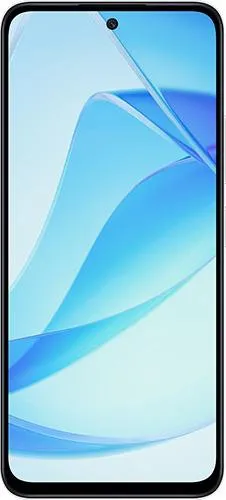
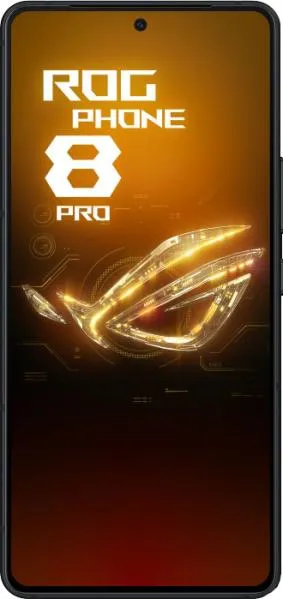
| Feature | Xiaomi Redmi 12 5G | Asus ROG Phone 8 Pro | Practical Impact |
|---|---|---|---|
| Design | |||
| Dimensions | 168.6 x 76.3 x 8.2 mm | 163.8 x 76.8 x 8.9 mm | ROG Phone 8 Pro is slightly shorter and wider, but thicker overall. Negligible difference in hand feel. |
| Weight | 199g | 225g | Redmi 12 5G is significantly lighter, reducing hand fatigue during extended use. |
| Build Materials | Not specified | Not specified | Cannot compare build quality and durability without material information. |
| Display | |||
| Display Type | IPS LCD | LTPO AMOLED | ROG Phone 8 Pro offers superior contrast, deeper blacks, and potentially better power efficiency due to AMOLED technology. |
| Size | 6.79" | 6.78" | Virtually identical screen sizes. |
| Resolution | 1080 x 2460 | 1080 x 2400 | Negligible difference in sharpness. |
| Refresh Rate | 90Hz | 165Hz | ROG Phone 8 Pro provides a much smoother and more responsive visual experience, especially noticeable in gaming and fast-paced content. |
| Peak Brightness | Not specified | 2500 nits | ROG Phone 8 Pro offers exceptional outdoor visibility, even in direct sunlight. Redmi's peak brightness is unknown, limiting comparison. |
| Performance | |||
| Chipset | Snapdragon 4 Gen 2 | Snapdragon 8 Gen 3 | ROG Phone 8 Pro boasts significantly more powerful CPU and GPU, resulting in much faster performance for demanding tasks and gaming. |
| CPU | Octa-core (2x2.2 GHz A78 & 6x1.95 GHz A55) | Octa-core (1x3.3 GHz X4 & 3x3.2 GHz A720 & 2x3.0 GHz A720 & 2x2.3 GHz A520) | The ROG Phone 8 Pro's superior core configuration and clock speeds deliver significantly faster processing power. |
| RAM | 6GB | 24GB | Massively more RAM in the ROG Phone 8 Pro allows for extreme multitasking and seamless switching between numerous apps without performance slowdown. |
| Storage | 128GB | 1000GB | ROG Phone 8 Pro offers substantially more storage for apps, media, and files. |
| Battery | |||
| Capacity | 5000 mAh | 5500 mAh | ROG Phone 8 Pro has a slightly larger battery capacity, potentially offering longer battery life. However, its high refresh rate display and powerful processor could offset this advantage. |
| Other | |||
| OS | Android 13 | Android 14 | Both run recent Android versions, though ROG Phone 8 Pro is more likely to receive longer software updates. |
| NFC | No | Yes | ROG Phone 8 Pro supports contactless payments and data transfer via NFC. |
2. Key Differences Analysis
Xiaomi Redmi 12 5G Advantages:
- Lighter Weight: Significantly more comfortable for extended use.
- Potentially Lower Price: Likely more affordable given the lower-end specifications.
Asus ROG Phone 8 Pro Advantages:
- Significantly Higher Performance: Superior CPU, GPU, and RAM provide a vastly improved gaming and multitasking experience.
- Superior Display: AMOLED technology, higher refresh rate, and exceptional brightness deliver a premium visual experience.
- More Storage: Ample space for apps, games, and media files.
- NFC: Enables contactless payments and data transfer.
- Longer Software Support: Expected to receive updates for a longer duration.
Trade-offs:
- The ROG Phone 8 Pro's higher performance and advanced features come at the cost of increased weight and potentially higher price. The Redmi 12 5G prioritizes affordability and lighter weight, sacrificing performance and premium features.
3. User Profiles & Recommendations
Xiaomi Redmi 12 5G:
- Ideal User: Budget-conscious users who prioritize basic smartphone functionality, light weight, and long battery life. Suitable for casual web browsing, social media, and light gaming.
- Use Cases: Everyday communication, web browsing, social media, casual photography.
Asus ROG Phone 8 Pro:
- Ideal User: Gamers, power users, and content creators who demand top-tier performance, a premium display, and ample storage.
- Use Cases: Demanding mobile gaming, video editing, professional photography, multitasking.
4. Decision Framework
Key Questions for Buyers:
- What is your budget? The ROG Phone 8 Pro is expected to be significantly more expensive.
- What are your primary smartphone usage patterns? Casual use vs. demanding gaming/multitasking.
- Do you prioritize portability and comfort? The Redmi 12 5G is considerably lighter.
My Choice: Asus ROG Phone 8 Pro
While the Redmi 12 offers excellent value for its price, the ROG Phone 8 Pro's superior performance, stunning display, and extensive features make it the clear winner for me. As someone who values a smooth and responsive user experience, the 165Hz AMOLED display and powerful Snapdragon 8 Gen 3 are incredibly appealing. The massive storage and inclusion of NFC further solidify its position as a top-tier device. While the weight is a consideration, the performance benefits outweigh the slight discomfort for my usage patterns. I am willing to pay a premium for a device that delivers a truly flagship experience.
