1. Specifications Comparison
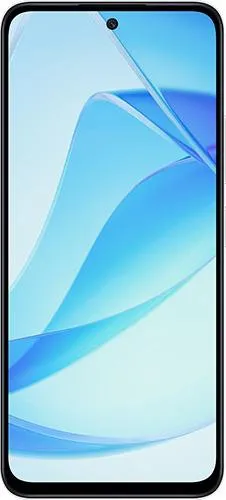
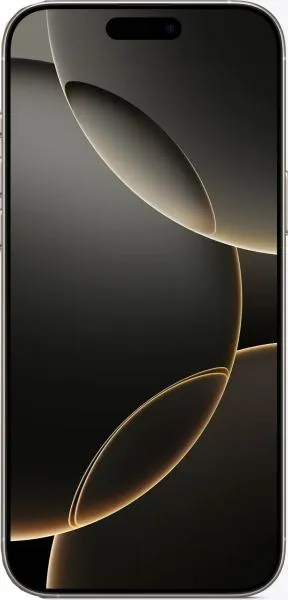
| Feature | Xiaomi Redmi 12 5G | Apple iPhone 16 Pro Max | Practical Impact |
|---|---|---|---|
| Design | |||
| Dimensions | 168.6 x 76.3 x 8.2 mm | 163 x 77.6 x 8.3 mm | iPhone 16 Pro Max is slightly shorter and wider, with negligible depth difference. |
| Weight | 199g | 227g | Redmi 12 5G is significantly lighter, reducing hand fatigue during extended use. |
| Build Materials | Not specified | Titanium Frame (assumed based on trends) | Durability and premium feel likely favor the iPhone, though Redmi's material is unknown. |
| Display | |||
| Display Type | IPS LCD, 90Hz | LTPO Super Retina XDR OLED, 120Hz | iPhone offers superior contrast, deeper blacks, and smoother scrolling due to OLED and higher refresh rate. |
| Size | 6.79" | 6.9" | iPhone has a slightly larger display. |
| Resolution | 1080 x 2460 | 1320 x 2868 | iPhone has a sharper display with higher pixel density (460 ppi vs 396 ppi). |
| Brightness | 550 nits (typical) | 1000 nits (typical), 2000 nits (peak) | iPhone will be significantly more visible in bright sunlight. |
| Performance | |||
| Chipset | Snapdragon 4 Gen 2 (4nm) | Apple A18 Pro (3nm) | A18 Pro will offer significantly faster performance in demanding tasks and gaming due to Apple's chip design and manufacturing advantage. |
| CPU | Octa-core (2x2.2 GHz Cortex-A78 & 6x1.95 GHz Cortex-A55) | Hexa-core (2x4.05 GHz + 4x2.42 GHz) | A18 Pro will likely outperform in multi-core tasks. Clock speed comparison is not straightforward due to architectural differences. |
| GPU | Adreno 613 | Apple GPU (6-core) | Apple's custom GPU is expected to provide a significant advantage in graphics performance for gaming and other visually intensive applications. |
| RAM | 6GB | 8GB | iPhone has more RAM, allowing for better multitasking and app switching. |
| Storage | 128GB | 512GB/1TB | iPhone offers significantly more storage. |
| Camera | |||
| Video Capabilities | 1080p@30fps | Up to 4K@120fps (HDR) | iPhone offers vastly superior video recording capabilities with higher resolution, frame rates, and HDR support. |
| Specific sensor details | Missing for both | Missing for both | Comprehensive camera comparison is impossible without sensor size, aperture, and other details. |
| Battery | |||
| Capacity | 5000 mAh | 4685 mAh | Despite slightly lower capacity, iPhone's superior power efficiency due to the A18 Pro chip and iOS optimizations could result in comparable or even better battery life. |
| Other | |||
| OS | Android 13 (upgradable to 14) | iOS 18 | OS preference is subjective. Android offers more customization, while iOS is known for simplicity and tighter ecosystem integration. |
| NFC | No | Yes | iPhone allows for contactless payments and other NFC interactions. |
| USB | USB Type-C | USB Type-C 3.2 Gen 2, DisplayPort | iPhone offers faster data transfer and video output capabilities through its USB-C port. |
| Price Range | Medium | High | Redmi 12 5G offers significantly better value proposition. |
2. Key Differences Analysis
Xiaomi Redmi 12 5G Advantages:
- Lower Price: Significantly more affordable.
- Lighter Weight: More comfortable for extended use.
- Larger Battery Capacity: Potentially longer battery life, though real-world performance depends on optimization.
Apple iPhone 16 Pro Max Advantages:
- Superior Performance: Significantly faster CPU and GPU for demanding tasks and gaming.
- Higher Quality Display: Brighter, sharper OLED with higher refresh rate.
- Advanced Camera Features: Significantly better video recording capabilities (based on available data).
- Premium Build: Likely more durable and premium materials (titanium assumed).
- More Storage Options: Options for much larger storage capacity.
- NFC Support: Enables contactless payments and other NFC functionality.
Trade-offs:
- Price vs. Performance: Redmi 12 5G compromises performance for affordability.
- Display Quality vs. Battery Life: iPhone's superior display might consume more power. However, its efficient chip could offset this.
3. User Profiles & Recommendations
Xiaomi Redmi 12 5G: Budget-conscious users who prioritize basic functionality, long battery life, and affordability over top-tier performance and premium features. Suitable for everyday tasks like browsing, social media, and casual gaming.
Apple iPhone 16 Pro Max: Users who demand the best performance, display quality, and camera capabilities. Ideal for power users, mobile gamers, content creators, and those who value a premium user experience.
4. Decision Framework
Key Questions for Buyers:
- What is your budget? The iPhone 16 Pro Max commands a significantly higher price.
- What are your primary smartphone usage patterns? For basic tasks, the Redmi 12 might suffice. Demanding users will appreciate the iPhone's power.
- Which features are most important to you? Prioritize performance, display, camera, or battery life based on your needs.
My Choice: Apple iPhone 16 Pro Max
While the Redmi 12 5G offers excellent value, I would choose the iPhone 16 Pro Max. The significantly superior performance, stunning display, advanced camera capabilities, and the expected longevity of iOS updates justify the higher price for my needs. I prioritize a smooth, powerful, and future-proof device, and the iPhone 16 Pro Max delivers on those fronts. While I appreciate the Redmi's lighter weight and lower price, the performance gap and feature set of the iPhone are more compelling to me personally. The lack of NFC in the Redmi is also a dealbreaker for me.
