1. Specifications Comparison
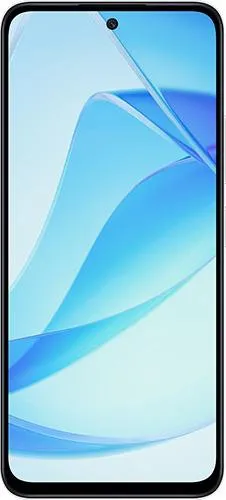
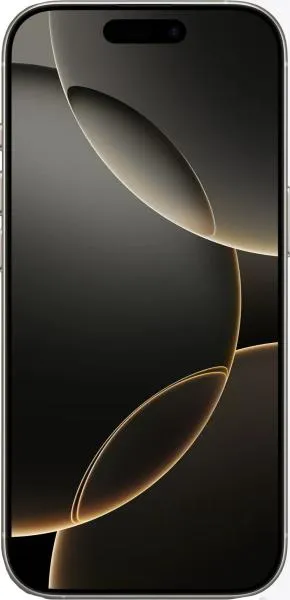
| Feature | Xiaomi Redmi 12 5G | Apple iPhone 16 Pro | Practical Impact |
|---|---|---|---|
| Design | |||
| Dimensions | 168.6 x 76.3 x 8.2 mm | 149.6 x 71.5 x 8.3 mm | iPhone 16 Pro is noticeably smaller and potentially easier to handle one-handed. |
| Weight | 199g | 199g | Identical weight, negating portability differences from dimensions. |
| Build Materials | Not specified | Titanium | Durability and premium feel are expected to be superior on the iPhone due to titanium frame, although Redmi's materials are unknown. |
| Display | |||
| Display Type | IPS LCD | LTPO Super Retina XDR OLED | iPhone's OLED offers significantly better contrast, deeper blacks, and potentially better power efficiency due to LTPO. |
| Display Size | 6.79" | 6.3" | Redmi 12 provides more screen real estate for media consumption but might be less pocketable. |
| Resolution | 1080 x 2460 | 1206 x 2622 | Comparable sharpness despite resolution differences due to varying screen sizes, although the iPhone will be slightly sharper. |
| Refresh Rate | 90Hz | 120Hz | iPhone will offer smoother scrolling and animations, resulting in a more fluid user experience. |
| Peak Brightness | Not specified | 2000 nits (HBM) | iPhone's superior peak brightness ensures excellent visibility in direct sunlight. Redmi's unspecified peak brightness limits comparative analysis. |
| Performance | |||
| Chipset | Snapdragon 4 Gen 2 | Apple A18 Pro | The A18 Pro is expected to significantly outperform the Snapdragon 4 Gen 2 in all tasks, including demanding games and applications. |
| CPU | Octa-core (2x2.2 GHz Cortex-A78 & 6x1.95 GHz Cortex-A55) | Hexa-core (2x4.05 GHz + 4x2.42 GHz) | iPhone's CPU architecture and higher clock speeds indicate a substantial performance advantage. |
| GPU | Adreno 613 | Apple GPU (6-core graphics) | iPhone should offer superior graphics performance for gaming and graphically intensive tasks. Apple's custom GPU design often leads to performance advantages. |
| RAM | 6GB | 8GB | While not a massive difference, the extra RAM in the iPhone could contribute to better multitasking performance. |
| Storage | 128GB | 256GB, 512GB, 1TB | iPhone offers significantly larger storage options. |
| Battery | |||
| Capacity | 5000 mAh | 3582 mAh | Redmi 12 has a larger battery capacity, suggesting potentially longer battery life. However, real-world usage depends on software optimization and display power consumption. |
| Other | |||
| OS | Android 13 | iOS 18 | Different operating systems cater to different user preferences regarding customization and ecosystem. |
| NFC | No | Yes | iPhone supports contactless payments and data transfer via NFC. |
| USB | USB Type-C | USB Type-C 3.2 Gen 2, DisplayPort | iPhone supports faster data transfer and video output capabilities. |
| Price Range | Medium | High | Significant price difference, reflecting the performance and feature disparities. |
2. Key Differences Analysis
Xiaomi Redmi 12 5G Advantages:
- Larger Battery: Potentially longer battery life.
- Larger Display: More immersive media consumption.
- Lower Price: Significantly more affordable.
Apple iPhone 16 Pro Advantages:
- Significantly Higher Performance: Smoother overall experience, capable of demanding tasks.
- Superior Display: Better contrast, brightness, and fluidity.
- Premium Build: Expected higher durability and a more premium feel with the titanium frame.
- Advanced Features: NFC for contactless payments, faster USB connectivity, and advanced video recording capabilities.
Trade-offs:
- The Redmi 12 sacrifices performance, premium features, and build quality for affordability and a larger battery.
- The iPhone 16 Pro prioritizes performance and premium features but comes at a significantly higher cost and with a smaller battery.
3. User Profiles & Recommendations
Redmi 12 5G Ideal User: Budget-conscious users prioritizing basic smartphone functionality, long battery life, and a large screen for media consumption. Suitable for casual users who primarily use their phone for social media, browsing, and light gaming.
iPhone 16 Pro Ideal User: Users who demand top-tier performance, a premium experience, the latest features, and are willing to pay a premium. Suitable for power users, content creators, mobile gamers, and those heavily invested in the Apple ecosystem.
4. Decision Framework
Key Questions:
- What is your budget? The price difference is significant.
- What are your primary smartphone usage patterns? Casual use vs. demanding tasks and gaming.
- Which operating system do you prefer? Android vs. iOS.
My Choice: Apple iPhone 16 Pro
While the Redmi 12 offers compelling value for its price, the iPhone 16 Pro's significant performance advantage, superior display, and expected build quality make it my preferred choice. I value a smooth and responsive user experience, and the A18 Pro chip, coupled with the 120Hz OLED display, promises exactly that. The inclusion of NFC for contactless payments and a more robust build are also crucial factors in my decision. Although the higher price is a consideration, the long-term value proposition of the iPhone 16 Pro, with its expected longevity and performance headroom, outweighs the initial cost for my usage patterns. I prioritize performance and a premium user experience over battery capacity and a larger display.
