1. Specifications Comparison
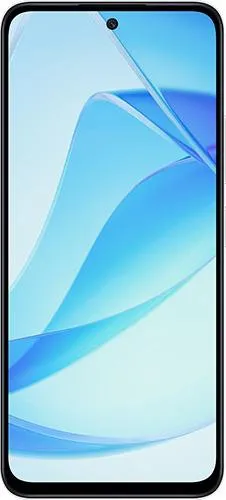
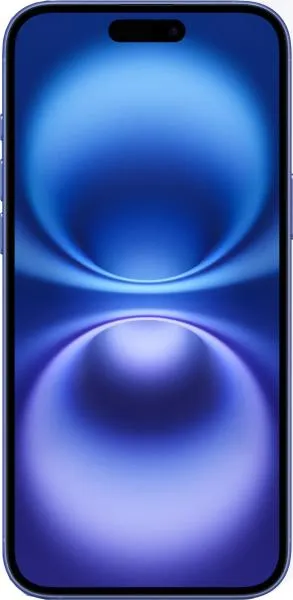
| Feature | Xiaomi Redmi 12 5G | Apple iPhone 16 Plus | Practical Impact |
|---|---|---|---|
| Design | |||
| Dimensions | 168.6 x 76.3 x 8.2 mm | 160.9 x 77.8 x 7.8 mm | iPhone 16 Plus is slightly shorter, narrower, and thinner. |
| Weight | 199g | 199g | Both phones weigh the same. |
| Build Materials | Not specified | Not specified | Cannot compare build quality and durability without information. |
| Display | |||
| Display Type | IPS LCD | Super Retina XDR OLED | OLED offers superior contrast, deeper blacks, and potentially better power efficiency. |
| Size | 6.79" | 6.7" | Negligible size difference. |
| Resolution | 1080 x 2460 | 1290 x 2796 | iPhone has a sharper display with higher pixel density (460 ppi vs 396 ppi), resulting in clearer text and images. |
| Refresh Rate | 90Hz | Not specified | Higher refresh rate on the Redmi 12 5G results in smoother scrolling and animations. However, iPhone's ProMotion (adaptive refresh rate up to 120Hz, not confirmed for iPhone 16 Plus) could offer similar or better performance if present. |
| Brightness | 550 nits (typical) | 1000 nits (typical), 2000 nits (peak) | iPhone 16 Plus is significantly brighter, improving outdoor visibility. |
| Performance | |||
| Chipset | Snapdragon 4 Gen 2 (4nm) | Apple A18 (3nm) | A18 is expected to be significantly more powerful in both CPU and GPU performance, leading to faster app loading, smoother multitasking, and better gaming capabilities. |
| CPU | Octa-core (2x2.2 GHz Cortex-A78 & 6x1.95 GHz Cortex-A55) | Hexa-core (2x4.04 GHz + 4x2.20 GHz) | A18's architecture and higher clock speeds indicate a substantial performance advantage. |
| GPU | Adreno 613 | Apple GPU (5-core graphics) | Apple's custom GPU is generally known for its strong performance, likely outperforming the Adreno 613. |
| RAM | 6GB | 8GB | More RAM in the iPhone 16 Plus allows for better multitasking and app switching. |
| Storage | 128GB | 256GB/512GB | iPhone 16 Plus offers more storage options. |
| Battery | |||
| Capacity | 5000 mAh | 4674 mAh | While the Redmi has a larger battery, real-world battery life depends on optimization; A18's efficiency could offset the smaller capacity in the iPhone. |
| Other | |||
| OS | Android 13 | iOS 18 | Different operating systems cater to different user preferences and ecosystems. |
| NFC | No | Yes | iPhone supports contactless payments and data transfer via NFC. |
| USB | USB Type-C | USB Type-C 2.0, DisplayPort | iPhone's inclusion of DisplayPort allows for video output to external displays. |
| Sensors | Accelerometer, Compass, Fingerprint (side-mounted) | Face ID, Accelerometer, Gyro, Proximity, Compass, Barometer | iPhone offers more advanced sensor capabilities, including Face ID for biometric authentication. |
2. Key Differences Analysis
Xiaomi Redmi 12 5G Advantages:
- Higher Refresh Rate Display (potentially): Smoother scrolling and animations (depending on iPhone 16 Plus refresh rate).
- Larger Battery: Potentially longer battery life, though real-world usage will vary.
- Lower Price: Typically more affordable than iPhones.
Apple iPhone 16 Plus Advantages:
- Significantly More Powerful: The A18 chip offers a substantial performance advantage for demanding tasks and gaming.
- Superior Display: OLED technology provides better contrast, colors, and brightness.
- More Premium Features: NFC, Face ID, and DisplayPort offer enhanced functionality.
- Stronger Ecosystem: Seamless integration with other Apple devices and services.
3. User Profiles & Recommendations
Xiaomi Redmi 12 5G: Budget-conscious users prioritizing basic smartphone functions, casual gaming, and long battery life.
Apple iPhone 16 Plus: Users prioritizing performance, premium features, a vibrant display, and integration with the Apple ecosystem.
4. Decision Framework
Key Questions:
- What is your budget? The Redmi 12 5G is expected to be significantly more affordable.
- What level of performance do you need? The iPhone 16 Plus offers a much more powerful experience.
- Which operating system do you prefer? Android and iOS offer distinct user experiences and app ecosystems.
My Choice: Apple iPhone 16 Plus
While the Redmi 12 5G offers excellent value for its price, the iPhone 16 Plus's superior performance, display quality, and feature set make it the better choice for me. The A18 chip's substantial power advantage ensures a smooth and responsive experience for years to come. The OLED display offers vibrant colors and deep blacks, enhancing media consumption. While the Redmi 12 5G might have a larger battery, Apple's chip efficiency could result in comparable battery life. Finally, features like NFC, Face ID, and a more robust app ecosystem solidify the iPhone 16 Plus as my preferred option. I prioritize long-term performance and a premium user experience, and am willing to pay the premium for it.
