1. Specifications Comparison
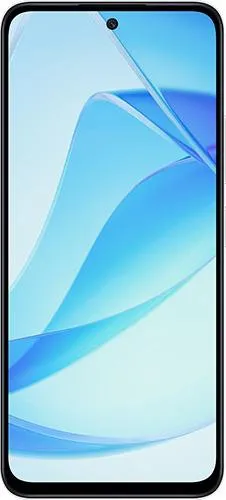
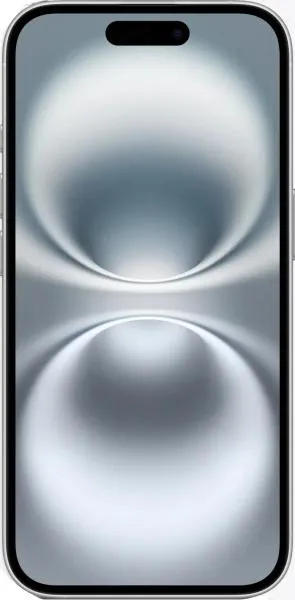
| Feature | Xiaomi Redmi 12 5G | Apple iPhone 16 | Practical Impact |
|---|---|---|---|
| Design | |||
| Dimensions | 168.6 x 76.3 x 8.2 mm | 147.6 x 71.6 x 7.8 mm | iPhone 16 is significantly smaller and more pocketable. |
| Weight | 199g | 170g | iPhone 16 is noticeably lighter for comfortable one-handed use. |
| Build Materials | Not specified | Not specified | Build quality and durability cannot be compared without more information. |
| Display | |||
| Display Type | IPS LCD | Super Retina XDR OLED | iPhone 16's OLED offers superior contrast, deeper blacks, and potentially higher power efficiency. |
| Display Size | 6.79" | 6.1" | Redmi 12 provides more screen real estate for media consumption, while the iPhone 16 offers better one-handed usability. |
| Resolution | 1080 x 2460 | 1179 x 2556 | Similar pixel density, but the iPhone's OLED technology will likely result in a sharper, more vibrant image. |
| Refresh Rate | 90Hz | Not specified | Redmi 12 offers smoother scrolling and animations thanks to the 90Hz refresh rate. It is unclear if the iPhone 16 supports high refresh rate. |
| Brightness | 550 nits (typical) | 1000 nits (typical), 2000 nits (peak) | iPhone 16 will be significantly brighter, ensuring better visibility outdoors. |
| Performance | |||
| Chipset | Snapdragon 4 Gen 2 | Apple A18 | A18 will offer significantly faster performance, especially in demanding tasks and gaming, due to Apple's chip design expertise. |
| CPU | Octa-core (2x2.2 GHz Cortex-A78 & 6x1.95 GHz Cortex-A55) | Hexa-core (2x4.04 GHz + 4x2.20 GHz) | Apple's A18 chip is expected to have superior single-core and multi-core performance. |
| GPU | Adreno 613 | Apple GPU (5-core) | iPhone 16 will have much stronger graphics performance for demanding games and applications. |
| RAM | 6GB | 8GB | More RAM on the iPhone 16 allows for better multitasking. |
| Storage | 128GB | 256GB/512GB | iPhone 16 offers more base storage. |
| Camera | |||
| Video Capabilities | 1080p@30fps | Up to 4K@60fps (HDR), 1080p@240fps (HDR) | iPhone 16 offers significantly better video recording capabilities with higher resolution, frame rates, and HDR support. Details about Redmi 12's camera capabilities are limited. |
| Battery | |||
| Capacity | 5000 mAh | 3561 mAh | Redmi 12 has a larger battery capacity, but real-world battery life depends on optimization and usage. |
| Other | |||
| OS | Android 13 | iOS 18 | OS preference is subjective. Android offers more customization, while iOS is known for its simplicity and privacy features. |
| NFC | No | Yes | iPhone 16 supports contactless payments and data transfer via NFC. |
2. Key Differences Analysis
Redmi 12 5G Advantages:
- Larger Display: Better for media consumption.
- Larger Battery: Potentially longer battery life, although real-world performance depends on optimization.
- Lower Price: Offers good value for its price range.
iPhone 16 Advantages:
- Significantly Faster Performance: Smoother multitasking, better gaming experience.
- Superior Display: OLED technology delivers vibrant colors, deeper blacks, and higher brightness.
- Better Camera: More advanced video recording features.
- Premium Build Quality (expected): Apple devices are generally known for their build quality, though specifications were not provided for comparison.
- NFC Support: Enables contactless payments.
3. User Profiles & Recommendations
Redmi 12 5G: Budget-conscious users who prioritize a large display and long battery life for media consumption and basic tasks.
iPhone 16: Users who prioritize performance, a premium user experience, a high-quality camera, and access to the Apple ecosystem.
4. Decision Framework
Key Questions:
- What is your budget?
- What are your performance requirements?
- Which operating system do you prefer?
Scenario-based Recommendations:
- Limited Budget, Basic Usage: Redmi 12 5G.
- Demanding Tasks, Gaming, Premium Experience: iPhone 16.
My Choice: iPhone 16
While the Redmi 12 5G offers a larger battery and display, the iPhone 16's significant advantages in performance, display quality, camera capabilities, and overall user experience make it the better choice for me. I prioritize a smooth and responsive user experience, a high-quality display, and a capable camera. The inclusion of NFC for mobile payments is also crucial for my daily use. While the price difference is likely significant, the long-term value and superior user experience offered by the iPhone 16 outweigh the higher cost in my personal use case. The A18 chip's substantial performance advantage will ensure the phone remains smooth and responsive for a longer period, justifying the investment.
