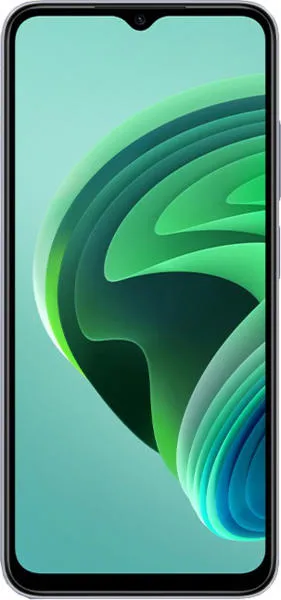
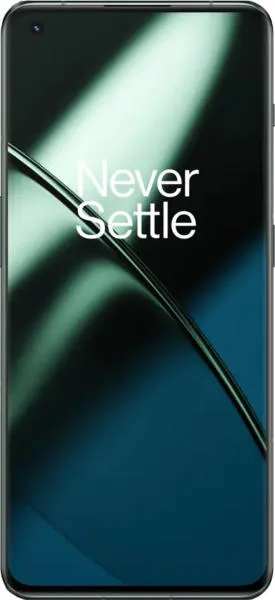
Okay, let's break down the Xiaomi Redmi 10 5G and the OnePlus 11. Buckle up, because we're going deep into the specs, but I'll be your translator, ensuring we understand what it all means for you, the user.
1. Specifications Breakdown
Here's a detailed look at the key specs, presented with their real-world impact:
| Feature | Xiaomi Redmi 10 5G | OnePlus 11 | Real-World Implications |
|---|---|---|---|
| Design | |||
| Dimensions | 164 x 76.1 x 8.9 mm | 163.1 x 74.1 x 8.5 mm | Redmi 10 is slightly larger and thicker, may feel bulkier in hand; OnePlus 11 is more compact. |
| Weight | 200g | 205g | Negligible weight difference; both will feel reasonably substantial. |
| Display | |||
| Size | 6.58" | 6.7" | OnePlus 11 offers a slightly more immersive viewing experience due to the larger screen. |
| Resolution | 1080 x 2408 | 1440 x 3216 | OnePlus 11 boasts significantly sharper text and images thanks to its much higher resolution display. |
| PPI | 401 | 525 | Higher pixel density on OnePlus 11 means finer details, leading to a much clearer screen. |
| Technology | IPS LCD | AMOLED | OnePlus 11's AMOLED panel delivers superior color vibrancy, deeper blacks, and more efficient power use, especially with dark themes. |
| Refresh Rate | 90Hz | 120Hz | OnePlus 11 offers smoother scrolling, animations, and gaming due to its higher refresh rate display. |
| Brightness | 0 nits | 1300 nits | OnePlus 11 is far better for outdoor use, with much higher brightness, making the screen readable even in direct sunlight. |
| Performance | |||
| Chipset | Mediatek Dimensity 700 (7nm) | Snapdragon 8 Gen 2 (4nm) | OnePlus 11 has a significantly more powerful and efficient chipset. Expect much faster app loading, smoother multitasking, and better overall performance. |
| AnTuTu Score | 381,300 | 1,389,474 | The OnePlus 11 shows a substantially higher score, offering a huge performance advantage, particularly in demanding apps and games. |
| GPU | Mali-G57 MC2 | Adreno 740 | The Adreno 740 in the OnePlus 11 is far more capable for gaming, providing much better graphics performance. |
| Camera | |||
| Standard Camera | 50MP, f/1.8 | 50MP, f/1.8 , 1/1.56", Sony IMX890, 1.00µm | Both have similar main sensor resolution; The OnePlus 11's larger sensor and Sony IMX890 model should produce higher quality images with better low-light performance. |
| Selfie Camera | 5MP, f/2.0 | 16MP, f/2.4 ,1/3.1", Samsung S5K3P9, 1.00µm | OnePlus 11's selfie camera has significantly higher resolution, promising more detailed selfies. |
| Telephoto Lens | None | 32MP, f/2.0 , 1/2.74", Sony IMX709, 0.80µm | OnePlus 11 offers optical zoom capabilities, enabling much better zoom image quality, while the Xiaomi lacks a telephoto lens entirely. |
| Portrait Mode (depth) | 2MP, f/2.4 | None | The Xiaomi offers a dedicated depth sensor to create portrait mode photos |
| Wide Angle + Macro | None | 48MP, f/2.2 , 1/2", Sony IMX581, 0.80µm | The OnePlus 11 includes a wide-angle camera that also doubles as a macro lens for capturing close-up details, making it a much more versatile shooter. |
| Video | 1080p@30fps | 8K@24fps, 4K@60fps | OnePlus 11 can record much higher resolution videos, with more versatility, and has much more capable stabilization. |
| DXOMark Score | N/A | 127 (main) | OnePlus 11 demonstrates excellent camera performance, according to DXOMark tests |
| Features | Digital Zoom, Dual camera, Digital image stabilization... | Flicker sensor, 8K Video, Optical Zoom, Triple Camera, OIS, Ultra stable video, Gimbal... | OnePlus 11 has a more feature-rich camera system with OIS, a gimbal, and advanced video capabilities. |
| Battery Life | |||
| Capacity | 5000mAh | 5000mAh | Both offer the same battery capacity, so similar battery life can be expected. |
| Charging | 18W | 100W | OnePlus 11 charges much faster, getting you back on your feet in minutes, compared to the Xiaomi's slower 18W charging. |
| Features | Reverse charging | None | The Xiaomi can reverse charge other devices but the Oneplus 11 can not. |
| Software | |||
| OS | Android 12 | Android 13, upgradeable to 14 | The OnePlus 11 is newer and thus comes with a more recent version of Android and more software support. |
| Connectivity | |||
| WiFi | 802.11ac | WiFi 7 | OnePlus 11 is future-proofed with WiFi 7, which offers potentially much faster speeds and better performance. |
| Bluetooth | 5.1 | 5.3 | OnePlus 11 has a more recent Bluetooth version for better connection stability and features. |
| GPS | GPS, A-GPS, GLONASS, Beidou, Galileo | A-GPS, GLONASS, Beidou, QZSS, Galileo, GPS (L1+L5)... | OnePlus 11's GPS is much more comprehensive for better location accuracy in more areas. |
| SIM | Dual Nano SIM | Dual Nano SIM + eSIM | OnePlus 11 offers eSIM compatibility, adding flexibility for multiple carriers. |
| Storage | |||
| Internal | 64GB or 128GB | 128GB, 256GB or 512GB | OnePlus 11 offers significantly more storage, catering to users with large media libraries. |
| RAM | 4GB or 6GB | 8GB, 12GB, or 16GB | OnePlus 11 offers much more RAM for smoother multitasking and future-proofing. |
| Expandable | No | No | Neither phone supports external storage, so you have to choose carefully your internal capacity. |
| Audio | |||
| Quality | Hi-Res, Stereo | Dolby Atmos, Hi-Res, Stereo, 2 mics | OnePlus 11 includes Dolby Atmos for enhanced spatial sound and an extra microphone for enhanced voice capture. |
| Security | |||
| Features | Side-mounted fingerprint | Basic Fingerprint sensor | Both phones offer fingerprint sensors for biometric authentication, but the side-mounted sensor is more ergonomic on the Xiaomi |
| Build Quality | |||
| Protection | Gorilla Glass 3 | Gorilla Glass Victus | The OnePlus 11 offers much better screen protection with its more advanced Gorilla Glass technology. |
| Sensors | |||
| Sensors | Fingerprint, Proximity, Accelerometer, Compass, Gyroscope | Fingerprint, Proximity, Accelerometer, Compass, Gyroscope, Gravity | The OnePlus 11 has a slightly wider array of sensors to use, including a gravity sensor. |
| ## 2. Key Insights |
Xiaomi Redmi 10 5G:
- Strengths: The Xiaomi Redmi 10 5G is a solid budget-friendly option, with a decent screen, good battery life, and 5G connectivity.
- Competitive Advantages: It offers a competitive price point, a large battery capacity and reverse charging, making it practical for users focused on value.
- Trade-offs: It has a slower processor, lower-resolution screen, basic camera system, and slower charging, which are all expected compromises at its price point.
OnePlus 11:
- Strengths: The OnePlus 11 excels in performance, display quality, camera versatility, and charging speed. It's a true flagship experience.
- Competitive Advantages: Its powerful Snapdragon 8 Gen 2 chipset, high-refresh AMOLED screen, and advanced camera array make it a compelling choice for power users.
- Trade-offs: Its main trade-off is its higher price, making it an investment compared to budget options.
Summary:
The OnePlus 11 is a powerhouse designed for those who demand the best in performance, display, and camera quality. The Xiaomi Redmi 10 5G is better suited for users who prioritize affordability and are willing to compromise on some features.
3. User Profiles and Recommendations
Xiaomi Redmi 10 5G is perfect for:
- Budget-conscious Users: Those who need a reliable 5G smartphone for daily tasks without breaking the bank.
- Casual Users: People who primarily use their phones for browsing, social media, and basic apps.
- Long Battery Life Seekers: Users who prioritize battery endurance above all else.
OnePlus 11 is ideal for:
- Power Users: Those who need top-tier performance for gaming, heavy multitasking, and intensive apps.
- Media Enthusiasts: Users who enjoy high-quality video streaming, gaming, and content creation.
- Photography Buffs: People who want a versatile camera system with advanced features and superior image quality.
- Future-Proofing: People who want a device with the latest specs for years to come.
4. Buying Decision Framework
Here are three questions to guide your choice:
- What's my budget? If budget is your primary concern, the Redmi 10 5G is your only option. The OnePlus 11 is a high-end device with a premium price tag.
- What do I value most? If performance, camera quality, and screen are paramount, the OnePlus 11 is superior. If long battery life and basic functionality are sufficient, the Redmi 10 5G does the job.
- How will I use my phone daily? Casual use (browsing, social media) is fine on the Redmi 10 5G, but if you are gaming, creating content, or doing anything that requires performance, the OnePlus 11 is the clear winner.
Scenario-based Recommendations:
- Scenario 1: The Budget Shopper - If you're looking for a reliable 5G phone without breaking the bank, the Xiaomi Redmi 10 5G is a great choice.
- Scenario 2: The Mobile Gamer - If you play graphic intensive games or want the best gaming experience, you'll definitely want the OnePlus 11.
- Scenario 3: The Mobile Photographer - If capturing high-quality photos and videos with zoom is crucial, the OnePlus 11 is the way to go.
- Scenario 4: The General User - If you use your phone for regular daily tasks, social media, and enjoy watching videos the Xiaomi Redmi 10 5G would be a fine budget choice, but the Oneplus 11 has a much better viewing and usage experience.
Final Thoughts
The Xiaomi Redmi 10 5G is a solid budget phone that will get the job done but is basic in most areas. The OnePlus 11 is a premium device that stands out in many categories. It has much faster charging, a significantly better screen, and a much better performance for gaming, along with a more versatile camera setup.
Which would I choose?
If I had to choose between these two devices, I would go with the OnePlus 11 without a doubt. As a tech journalist and analyst, the power, performance, and camera versatility are essential, making it a more enjoyable and capable everyday device. I need a device that keeps up with my requirements and gives me that premium experience. Although the Xiaomi Redmi 10 5G is a great phone for people on a budget, the Oneplus 11 is the clear winner for me.
