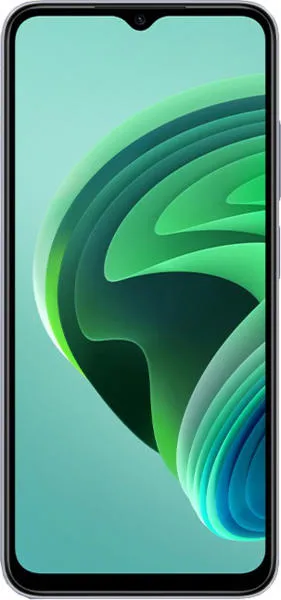
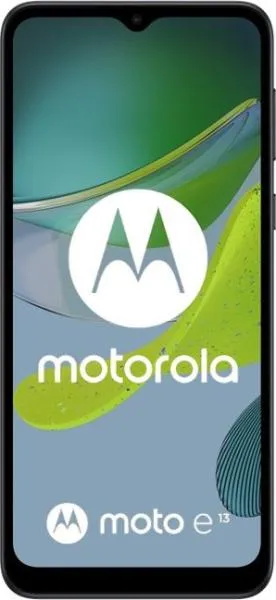
Alright, let's dive deep into a head-to-head comparison of the Xiaomi Redmi 10 5G and the Motorola Moto E13. These are both budget-friendly smartphones, but as we'll see, they target slightly different needs and priorities. I'm going to put on my tech journalist hat and break it down with a focus on real-world usage, just like I'm explaining it to a friend curious about these phones.
1. Specifications Breakdown
First things first, let’s get into the nitty-gritty. Here’s a detailed table outlining the key differences between these two devices, with a special column highlighting what these specs actually mean for you:
| Feature | Xiaomi Redmi 10 5G | Motorola Moto E13 | Real-World Implications |
|---|---|---|---|
| Design | |||
| Launch Date | 2022-09-23 | 2023-02-13 | Moto E13 is a bit newer, potentially with more up-to-date software. |
| Dimensions | 164 x 76.1 x 8.9 mm | 164.2 x 75 x 8.5 mm | Redmi is a bit wider and thicker, might feel slightly bulkier in hand. |
| Weight | 200g | 179.5g | Moto E13 is noticeably lighter, potentially more comfortable for prolonged use. |
| Display | |||
| Size | 6.58" | 6.5" | Negligible difference in size; both offer a large enough canvas. |
| Resolution | 1080x2408 | 720x1600 | Redmi's display is significantly sharper and clearer, making text and images look much better. |
| Pixel Density (PPI) | 401 | 270 | Redmi has a much crisper display, with details appearing finer compared to the E13's display which is noticeably less sharp. |
| Technology | IPS LCD | IPS LCD | Both use the same display tech, offering decent colors and viewing angles, though not the vibrant blacks of AMOLED. |
| Refresh Rate | 90Hz | 60Hz | Redmi's smoother display makes scrolling and animations appear more fluid. |
| Brightness | 0 nits | 0 nits | The provided data indicates 0 nits for both, which cannot be correct. This data is missing or inaccurate for a real-world comparison. |
| Performance | |||
| Chipset | Dimensity 700 (7nm) | Unisoc T606 (12nm) | Redmi's chip is more powerful, leading to faster app loading, better multitasking, and smoother gaming performance. |
| AnTuTu Score | 381,300 | 253,200 | Redmi will offer a noticeably faster user experience across most tasks. |
| GPU | Mali-G57 MC2 | Mali-G57 MP1 | Redmi has a more powerful GPU, allowing for smoother graphics in games and other visually demanding applications. |
| Camera | |||
| Main Camera Resolution | 50MP | 13MP | Redmi's higher resolution sensor can capture more detailed photos with better clarity (at least on paper). |
| Selfie Camera | 5MP | 5MP | Similar selfie camera performance on both devices. |
| Depth Sensor | 2MP | None | Redmi allows for better portrait mode photography, by creating more realistic background blur. |
| Video Recording | 1080p@30fps | 1080p@30fps | Both capable of basic FHD recording for social media. |
| Camera Features | 4K Video, Digital zoom, Dual camera, Digital image stabilization, Autofocus, Touch focus, Geotagging, HDR, Face detection, White balance settings, ISO settings, Exposure compensation, Scene mode, Self-timer, Night Mode | Digital zoom, Autofocus, Touch focus, Continuous shooting, Geotagging, Panorama, HDR, Face detection, White balance settings, ISO settings, Exposure compensation, Scene mode, Self-timer, Front Flash | Redmi offers 4K video and more advanced features, while Moto offers continuous shooting, panorama, and front flash. |
| Battery Life | |||
| Capacity | 5000mAh | 5000mAh | Similar battery size should offer comparable daily usage. |
| Charging | 18W Fast Charging | 10W Fast Charging | Redmi charges quicker, reducing downtime. |
| Battery Features | Reverse Charging | None | Redmi has reverse charging capabilities, allowing it to charge other devices. |
| Software | |||
| OS | Android 12 | Android 13 | Moto E13 ships with a newer version of Android, potentially offering a more refined user interface, better security and newer features. |
| Connectivity | |||
| WiFi | 802.11ac | 802.11n | Redmi's Wi-Fi is faster and more reliable. |
| Bluetooth | 5.1 | 5.0 | Redmi's newer Bluetooth is slightly more efficient and has wider support. |
| GPS | Beidou | None | Redmi has better location tracking accuracy, especially in areas with limited GPS signals. |
| Storage | |||
| Internal Storage | 64GB/128GB | 32GB/64GB/128GB | Both offer 128 GB as a max storage capacity, Motorola also has a 32 GB option for very basic users. |
| RAM | 4GB/6GB | 2GB/4GB/8GB | Moto E13 offers up to 8 GB, which helps with better multitasking and running more demanding apps. |
| Expandable Storage | No | No | Neither allows for microSD cards, which can be limiting for some users. |
| Audio | |||
| Audio Features | Hi-Res, Stereo | Basic | Redmi has richer sound quality with stereo speakers, good for media consumption and gaming. |
| Security | |||
| Security Features | Fingerprint | Basic | Redmi offers additional security and convenient unlocking with its fingerprint scanner. |
| Build Quality | |||
| Screen Protection | Corning Gorilla 3 | Unknown | Redmi’s screen is more resistant to scratches and accidental damage. |
| Sensors | Fingerprint, Proximity, Accelerometer, Compass, Gyroscope | Proximity, Accelerometer | The Redmi offers a more complete array of sensors, including Fingerprint sensor, Compass, and Gyroscope. |
2. Key Insights
Xiaomi Redmi 10 5G:
- Strengths: A much better display (higher resolution and refresh rate), a more powerful processor, a better main camera, faster charging, superior audio quality with stereo speakers, a more comprehensive sensor suite, and Gorilla Glass 3 protection.
- Competitive Advantages: Its performance makes it suitable for gaming and heavy tasks, also better for media consumption because of the better display and audio.
- Trade-offs: It's a bit heavier and bulkier compared to the Moto E13.
Motorola Moto E13:
- Strengths: Lighter and more compact design, a newer Android version, potentially more RAM (up to 8GB), and very low price.
- Competitive Advantages: Its design makes it more comfortable to hold and easy to carry.
- Trade-offs: A lower-resolution display, a much weaker processor, basic audio output, and a basic security feature.
3. User Profiles and Recommendations
Xiaomi Redmi 10 5G is best for:
- Users who prioritize performance and a good display quality.
- People who enjoy gaming, watching videos, and using resource-intensive apps.
- Those looking for a more premium user experience within a budget.
Motorola Moto E13 is best for:
- Users who need a basic smartphone for everyday tasks.
- Budget-conscious individuals who value lightness and portability.
- Those who do basic social media and web browsing and don't need anything too fancy.
4. Buying Decision Framework
Here are three crucial questions to help you decide:
- How much do you value performance and display quality? If you plan on using demanding apps or watching a lot of media, the Redmi's superior performance and sharper display are worth the investment.
- How important is portability? If you need the lightest, most pocketable option, the Moto E13 has a clear advantage with its lighter weight and smaller size.
- What is your budget? The Redmi offers significantly more performance and features, but the Moto E13 is the more cost-effective option.
Scenario-Based Recommendations:
- The Casual User: If you just need a phone for basic communication, social media, and browsing, the Motorola Moto E13 is the cheaper and more comfortable choice.
- The Media Consumer: For watching videos, playing games, and browsing the web, the Xiaomi Redmi 10 5G offers a much more enjoyable experience thanks to its better display and stereo speakers.
- The Budget Gamer: If you want to do a bit of gaming on the go, the Xiaomi Redmi 10 5G is the clear winner.
- The Multitasker: The Motorola Moto E13 with 8 GB RAM offers a better experience, but it depends on the budget.
My Choice and Why
If I had to choose between these two, I would absolutely go with the Xiaomi Redmi 10 5G. While the Moto E13 is the more budget-friendly option, I simply cannot overlook the massive differences in performance, display quality, and overall feature set. For me, these things mean a lot in day-to-day usage, and I value having a device that won’t lag, feels great to use, and has a good camera. I would find the Moto E13 too basic for my daily needs. The Redmi 10 5G offers a vastly superior user experience that is worth the additional cost.
It's all about striking the right balance. For me, the Redmi 10 5G provides that, making it the better choice. I hope this detailed breakdown makes your decision easier, and if you have any more questions, just ask.
