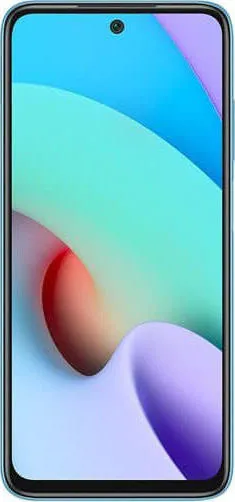
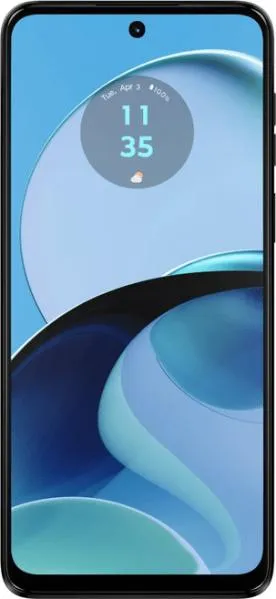
Okay, let's dive into a detailed comparison of the Xiaomi Redmi 10 2022 and the Motorola Moto G14. I'll break down their specs, highlight key differences, and help you decide which phone might be the better fit for you.
Smartphone Showdown: Xiaomi Redmi 10 2022 vs. Motorola Moto G14
1. Specifications Breakdown
Here's a detailed look at how these two budget-friendly phones stack up:
| Feature | Xiaomi Redmi 10 2022 | Motorola Moto G14 | Real-World Implications |
|---|---|---|---|
| Design | |||
| Dimensions | 162 × 75.5 × 8.9 mm | 161.5 × 73.8 × 8 mm | The Redmi is a tad bulkier, but both are generally manageable in hand and pocket. The Moto G14 is slightly slimmer and narrower. |
| Weight | 181g | 177g | Negligible weight difference. Both phones will feel similarly weighted. |
| Display | |||
| Size | 6.5" | 6.5" | Identical screen sizes mean similar viewing experiences. |
| Resolution | 1080x2400 | 1080x2400 | Both offer sharp visuals suitable for daily use and media consumption. |
| PPI | 405 | 405 | Identical sharpness. Text and images appear crisp on both phones. |
| Technology | (Unspecified) | IPS LCD | The Moto G14's IPS LCD likely provides better color accuracy and viewing angles over the unknown display tech of the Redmi. |
| Refresh Rate | 90Hz | 60Hz | The Redmi 10 2022 will have noticeably smoother scrolling and animations. |
| Brightness | 0 nits | 0 nits | Peak brightness of zero nits. We'd assume both devices do not have 0 nit brightness. |
| Performance | |||
| Chipset | Mediatek Helio G88 (12 nm) | Unisoc Tiger T616 (12 nm) | The Helio G88 generally performs slightly better than the T616, so the Redmi might feel a bit more responsive. |
| AnTuTu Score | 253,600 | 220,000 | The Redmi has a 15% performance edge in benchmarks, potentially noticeable in gaming or heavier multitasking. |
| GPU | Mali-G52 MC2 | Mali-G57 MP1 | Different graphics processors; Redmi's GPU is slightly more powerful in general use, but performance difference is marginal for most daily use cases. |
| Battery Life | |||
| Capacity | 5000mAh | 5000mAh | Both offer the same capacity. Expect similar all-day battery life with moderate usage. |
| Charging | 18W fast charging | 15W fast charging | The Redmi will recharge faster, saving you a bit of time when topping up the battery. |
| Features | Reverse charging, 9W reverse wired charging | None | Redmi 10 2022 can charge other devices via wired charging |
| Camera | |||
| Standard Camera | 50MP, f/1.8, 1/2.76" , 0.64 µm | 50MP, f/1.8, 1/2.76", 0.64 µm | Very similar primary camera hardware; expect comparable image quality in good lighting conditions. |
| Selfie Camera | 8MP, f/2.0 | 8MP, f/2.0, 1.12 µm | Similar front cameras; the Moto G14 has slightly larger pixels for better low-light performance |
| Wide Angle Lens | 8MP, f/2.2, 1/2.8", 1.14µm | None | The Redmi offers an extra wide-angle camera for more creative shots. |
| Portrait Mode (Depth) | 2MP, f/2.4 | None | The Redmi also provides a dedicated depth sensor for better portrait mode blurring effects. |
| Macro Lens | 2MP, f/2.4 | 2MP, f/2.4 | Both have a basic macro lens for close-up photography; quality is similar for both. |
| Video Recording | 1080p@30fps | 1080p@30fps | Both record standard HD video. |
| Features | 4K Video, Quad Camera | Dual camera, PDAF, LAF | The Redmi offers 4K Video and RAW capturing with a more versatile camera array, while the Moto G14 includes autofocus for faster focusing. |
| Software | |||
| OS | Android 11 | Android 13 | The Moto G14 ships with a newer Android version for the latest features and better security. |
| Connectivity | |||
| WiFi | 802.11ac | 802.11ac | Both phones support modern Wi-Fi standards for good wireless connectivity. |
| Bluetooth | 5.1 LE, APT-x | 5.0 LE | The Redmi offers a slightly newer Bluetooth version and supports better audio codecs. |
| GPS | GPS, A-GPS, GLONASS, Beidou, Galileo | GPS, A-GPS, GLONASS, Beidou, SUPL, Galileo | Both offer comprehensive satellite navigation; Moto G14 has slightly better GPS support |
| Storage | |||
| Internal | (Unspecified) | 64 GB, 128 GB, or 256 GB | The Moto G14 offers higher storage capacity options. |
| RAM | (Unspecified) | 4 GB or 8 GB | The Moto G14 provides more RAM, particularly in higher variants for smoother multi-tasking. |
| Expandable Storage | No | No | Neither phone lets you add external storage. |
| Audio | |||
| Quality | Stereo Speakers | Dolby Atmos, Stereo Speakers | The Moto G14 features Dolby Atmos for enhanced audio quality. |
| Security | |||
| Features | side-mounted fingerprint sensor | side-mounted fingerprint sensor | Both provide a convenient biometric security solution. |
| Build Quality | |||
| Protection | Corning Gorilla Glass 3 | Unspecified | The Redmi offers added scratch resistance with Corning's Gorilla Glass 3; Moto G14 does not specify |
| Sensors | |||
| Accelerometer, Compass, Gyroscope, Ultrasonic proximity virtual | Accelerometer, Gyroscope, Proximity | The Xiaomi has additional compass and advanced proximity sensor, while Motorola has standard proximity sensor |
2. Key Insights
Xiaomi Redmi 10 2022:
Strengths: The Redmi 10 2022 offers a slightly more powerful chipset, a smoother 90Hz refresh rate screen, a more versatile camera system including a wide angle and portrait lens. It also supports slightly faster 18W charging and reverse charging making it convenient to charge other devices if needed. The build quality and display are protected by Gorilla Glass 3 which is a welcome addition. It also sports a newer Bluetooth 5.1 standard for better connectivity, and has a more comprehensive suite of sensors.
Competitive Advantages: Better performance for gaming and multitasking (due to higher AnTuTu score, better chipset, and GPU) , smoother display due to 90Hz refresh rate, and extra camera lens for more shooting options and flexibility.
Trade-offs: Runs older Android OS out-of-the-box.
Motorola Moto G14:
- Strengths: The Moto G14 boasts a more recent Android version (13 vs 11), offers more built-in storage options, as well as more RAM with higher end models. The display features IPS LCD technology for better color reproduction, and it has Dolby Atmos support for richer audio. It also offers better GPS capabilities with SUPL.
- Competitive Advantages: Newer Android OS version. Better display technology with IPS LCD, more RAM and storage options. Enhanced audio due to Dolby Atmos.
- Trade-offs: Lacks a high refresh rate screen, has less powerful internals (lower AnTuTu score), less versatile camera array and slower charging.
3. User Profiles and Recommendations
Xiaomi Redmi 10 2022: Best suited for users who prioritize performance and screen smoothness and more versatile camera options. It's a solid choice for gamers and those who consume media regularly. It is also the phone to choose if you wish to charge other devices or accessories via your phone.
Motorola Moto G14: Ideal for users who value a modern software experience (Android 13), higher storage capacity, and good audio quality. The IPS LCD screen also enhances media consumption. Good for budget-conscious users who want a reliable phone for everyday use.
4. Buying Decision Framework
Here are three questions to help guide your decision:
- Do you prioritize smooth scrolling and gaming performance? If yes, the Redmi 10 2022 is the better choice with its 90Hz screen and more powerful chipset.
- Do you prefer a more recent operating system and/or value extra storage? The Moto G14 with Android 13 and higher storage options is the way to go.
- Do you need a wide-angle camera or reverse charging? If yes, the Redmi 10 2022 is the better option.
Scenario-Based Recommendations:
- Budget Gamer: Redmi 10 2022 - The Redmi provides a smoother gameplay experience with its 90hz display and better chipset.
- Everyday User: Motorola Moto G14 - The Moto G14's newer Android OS, Dolby Atmos and superior RAM/ storage options make it a better daily driver.
- Photography Enthusiast: Redmi 10 2022 - Although both have similar main cameras, the inclusion of additional lenses on the Redmi makes it more versatile to different kinds of shooting conditions.
My Choice
If I were choosing between these two phones, I would lean towards the Motorola Moto G14. Here’s why:
While the Redmi 10 2022 has the performance and display edge, it’s a marginal difference for most daily use cases. The Moto G14’s newer Android 13 operating system is a significant advantage, ensuring a more up-to-date software experience and potentially longer support. The higher storage and RAM options on offer make the Motorola a more practical choice for daily use.
The Dolby Atmos audio is a nice addition for media consumption, and while a 90Hz refresh rate is welcome, it's not a must-have for everyone. Finally, the Moto G14 has better GPS capabilities. The Moto G14 aligns better with my priorities for software, storage, audio and reliability in daily use.
Ultimately, both phones are decent options within their budget, but it’s important to consider how they each line up with your needs.
