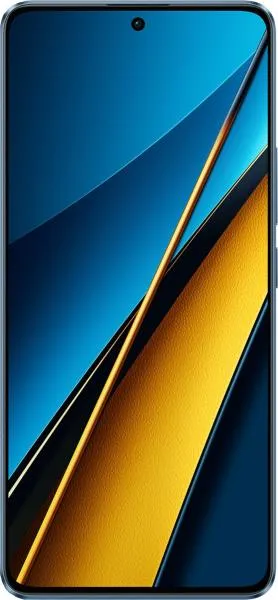
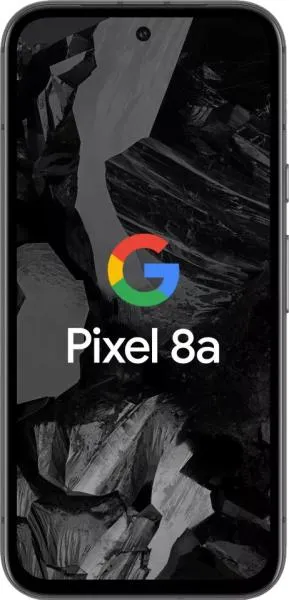
Xiaomi Poco X6 vs. Google Pixel 8a: A Detailed Comparison
The mid-range smartphone arena is heating up, with the Xiaomi Poco X6 and Google Pixel 8a vying for your attention. Both devices boast impressive specs on paper, but how do they translate to real-world performance? Let's dive into a comprehensive analysis to uncover the nuances and help you decide which phone is the right fit.
1. Specifications Breakdown
| Feature | Xiaomi Poco X6 | Google Pixel 8a | Real-World Implications |
|---|---|---|---|
| Design | |||
| Dimensions | 161.2 x 74.3 x 8mm | 152.1 x 72.7 x 8.9mm | Pixel 8a is slightly smaller and thicker. Poco X6 might feel slightly larger in hand. |
| Weight | 181g | 188g | Negligible weight difference in practical use. |
| Display | |||
| Size | 6.67 inches | 6.1 inches | Poco X6 offers a larger screen for media consumption; Pixel 8a is more pocketable. |
| Type | AMOLED, 120Hz, Dolby Vision, 1800 nits (peak) | OLED, 120Hz, HDR, 2000 nits (peak) | Both offer smooth scrolling and vibrant colors; Pixel 8a boasts slightly higher peak brightness. |
| Resolution | 1220 x 2712 (446 ppi) | 1080 x 2400 (430 ppi) | Poco X6 has a sharper display due to higher resolution. |
| Performance | |||
| Chipset | Snapdragon 7s Gen 2 (4nm) | Google Tensor G3 (4nm) | Tensor G3 generally offers superior AI processing and potentially better overall performance. |
| CPU | Octa-core (4x2.4 GHz A78 & 4x1.95 GHz A55) | Nona-core (1x3.0 GHz X3 & ...) | Tensor G3's more powerful core architecture suggests better burst performance. |
| GPU | Adreno 710 | Immortalis-G715s MC10 | Immortalis-G715s should deliver significantly better gaming performance. |
| RAM | 12GB | 8GB | Poco X6's extra RAM could benefit multitasking, though Tensor G3's efficiency might offset this. |
| Camera (Partial) | 4K@30fps (EIS), 1080p@60fps (EIS) | 4K@60fps (OIS), 1080p@240fps (OIS) | Pixel 8a likely excels in video recording with OIS and higher frame rates; detailed camera specs missing. |
| Battery & OS | |||
| Battery | 5100 mAh | 4492 mAh | Poco X6 offers larger battery capacity, potentially longer battery life. |
| OS | Android 13 (upgradable to 16) | Android 14 (upgradable to 21) | Pixel 8a benefits from newer Android version and longer software support. |
2. Key Insights
- Performance: While the Poco X6 boasts more RAM, the Pixel 8a's Tensor G3 chip likely offers superior overall performance and AI capabilities, particularly in gaming and demanding tasks.
- Display: Both displays are excellent, but the Poco X6 offers a larger, sharper screen, while the Pixel 8a potentially gets slightly brighter outdoors.
- Software & Updates: Pixel 8a significantly benefits from Google's commitment to long-term software updates, guaranteeing feature and security updates for longer.
- Battery: Poco X6's larger battery suggests longer endurance, but real-world usage will depend on optimization.
3. User Profiles and Recommendations
- Poco X6: Suits users prioritizing a large, sharp display, ample RAM for multitasking, and potentially longer battery life. Great for media consumption, casual gaming, and everyday productivity.
- Pixel 8a: Best for users who value a clean Android experience, consistent performance, superior camera capabilities (based on limited data), and the assurance of extended software updates. Ideal for photography enthusiasts, power users, and those who prioritize software longevity.
4. Buying Decision Framework
- What’s your budget and storage needs? Both are mid-range, but specific pricing will influence the decision. Consider storage needs as both offer different options.
- What's your priority: Performance, Display, or Software? Pixel 8a for consistent performance and software updates; Poco X6 for a larger, vibrant display and potentially longer battery life.
- How important is photography to you? Pending full camera specs, the Pixel 8a likely boasts superior camera performance given Google's track record.
My Choice: Google Pixel 8a
While the Poco X6 offers tempting features like a larger battery and more RAM, I lean towards the Pixel 8a. The Tensor G3's performance, especially its GPU, combined with Google's commitment to software updates, makes it a more compelling long-term investment. The cleaner Android experience and expectedly superior camera performance (based on Google's history and the 8a's video capabilities) further solidify my preference. Though I'd miss the larger display of the Poco X6, the Pixel 8a's overall package aligns better with my priorities as a tech enthusiast who values performance, software longevity, and a smooth user experience.
