1. Specifications Comparison
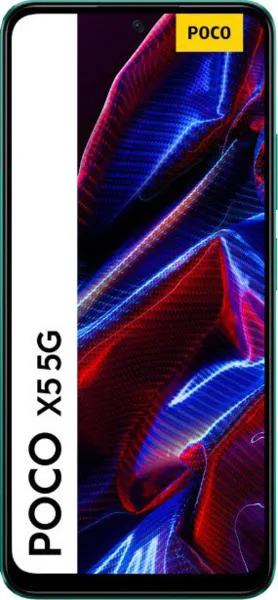
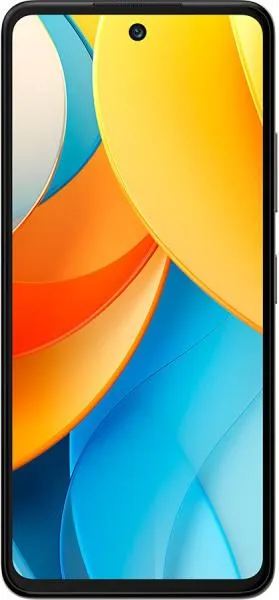
| Feature | Xiaomi Poco X5 | ZTE Blade V60 Design | Practical Impact |
|---|---|---|---|
| Design | |||
| Dimensions (mm) | 165.9 x 76.2 x 8 | 164.2 x 75.3 x 8.6 | Poco X5 is slightly thinner. |
| Weight (g) | 189 | 198 | Poco X5 is slightly lighter, potentially more comfortable for extended use. |
| Display | |||
| Display Type | AMOLED | IPS LCD | Poco X5 offers deeper blacks, more vibrant colors, and better power efficiency in dark mode due to AMOLED technology. |
| Display Size (inches) | 6.67 | 6.6 | Negligible difference in screen real estate. |
| Resolution | 1080 x 2400 | 720 x 1612 | Poco X5 has a significantly sharper display, resulting in clearer text and images. |
| Refresh Rate (Hz) | 120 | 90 | Poco X5 provides smoother scrolling and animations, enhancing the overall user experience. |
| Pixel Density (PPI) | 395 | 267 | Poco X5's higher PPI translates to a noticeably sharper and more detailed display. |
| Peak Brightness (nits) | 1200 | Not specified | Poco X5's high peak brightness ensures better visibility in direct sunlight. ZTE's unspecified brightness limits comparison. |
| Performance | |||
| Chipset | Snapdragon 695 5G | Unisoc T606 | Poco X5 offers better performance and 5G connectivity. |
| CPU | Octa-core (2x2.2 GHz & 6x1.7 GHz) | Octa-core (2x1.6 GHz & 6x1.6 GHz) | Poco X5 has faster clock speeds, leading to improved performance in demanding tasks and multitasking. |
| GPU | Adreno 619 | Mali-G57 MP1 | Poco X5's GPU provides a smoother gaming experience and better graphics performance overall. |
| RAM (GB) | 6/8 | 4/6 | More RAM in some Poco X5 versions allows for better multitasking and smoother performance. |
| Camera | |||
| Main Camera (MP) | 48 | 50 | While ZTE has a higher megapixel count, sensor quality and image processing are crucial and cannot be compared with the given information. |
| Front Camera (MP) | 13 | 8 | Poco X5's higher resolution front camera potentially delivers better selfie quality. |
| Video Recording | 1080p@30fps | 1080p@30fps | Both offer basic video recording capabilities. |
| Battery | |||
| Capacity (mAh) | 5000 | 5000 | Both have the same battery capacity. |
| Fast Charging | 33W | 22.5W | Poco X5 supports faster charging, reducing downtime. |
2. Key Differences Analysis
Xiaomi Poco X5 Advantages:
- Superior Display: AMOLED technology, higher resolution, faster refresh rate, and higher peak brightness provide a significantly better visual experience.
- Better Performance: A more powerful chipset, CPU, and GPU translate to smoother overall performance, better multitasking, and improved gaming capabilities.
- Faster Charging: 33W fast charging significantly reduces charging time compared to the ZTE's 22.5W.
ZTE Blade V60 Design Advantages:
- Lower Price: Positioned in the low price range, it offers a more budget-friendly option.
Trade-offs:
- The ZTE Blade V60 Design sacrifices display quality, performance, and charging speed for affordability.
- The Xiaomi Poco X5 comes at a higher price but offers a considerably better overall user experience.
3. User Profiles & Recommendations
Xiaomi Poco X5: Suited for users who prioritize performance, a high-quality display, and a smooth user experience. Ideal for gaming, media consumption, and multitasking.
ZTE Blade V60 Design: Best suited for budget-conscious users who primarily use their phones for basic tasks like calling, texting, and light web browsing. Suitable for users who prioritize affordability over performance and features.
4. Decision Framework
Key Questions for Buyers:
- What is your budget? The ZTE is significantly cheaper.
- What are your primary phone usage patterns? For demanding tasks, the Poco X5 is superior. For basic usage, the ZTE might suffice.
- How important is display quality to you? The Poco X5's AMOLED display is a major advantage.
Scenario-Based Recommendations:
- Tight Budget, Basic Usage: ZTE Blade V60 Design
- Balanced Budget, Moderate Usage: Xiaomi Poco X5
- Performance and Display Enthusiast: Xiaomi Poco X5
My Choice: Xiaomi Poco X5
While the ZTE Blade V60 Design offers an enticing price point, the Xiaomi Poco X5's superior display, performance, and faster charging make it the clear winner for me. The difference in user experience offered by the AMOLED display and the more powerful processor would significantly impact my daily usage. I am willing to invest in the higher price for the long-term benefits of a smoother and more enjoyable smartphone experience. The faster refresh rate and charging speed are also significant factors in my decision. Ultimately, the Poco X5 offers better value for its price in terms of overall user experience.
