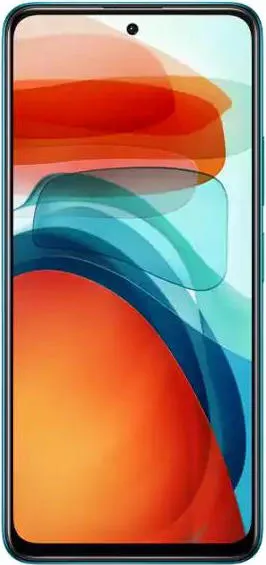
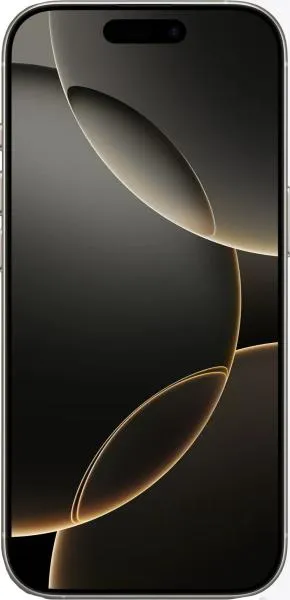
Okay, let's break down the Xiaomi Poco X3 GT and the Apple iPhone 16 Pro. I'll put on my tech journalist hat and give you a detailed, practical comparison that goes beyond just the specs sheet.
1. Specifications Breakdown
Here's a detailed breakdown of the specs, focusing on how these numbers translate into real-world user experiences:
| Feature | Xiaomi Poco X3 GT | Apple iPhone 16 Pro | Real-World Implications |
|---|---|---|---|
| DESIGN | |||
| Launch Date | 2021-08-19 | 2024-09-20 | iPhone 16 Pro is significantly newer, benefiting from newer tech. |
| Form Factor | Standard | Standard | Both are standard smartphones; no foldable design here. |
| Dimensions | 163.3 x 75.9 x 8.9 mm | 149.6 x 71.5 x 8.3 mm | Poco X3 GT is larger and bulkier, iPhone 16 Pro is more compact. |
| Weight | 193g | 199g | Both are substantial; the 6g difference is barely noticeable |
| DISPLAY | |||
| Size | 6.6" | 6.3" | Poco X3 GT offers slightly more screen real estate. |
| Resolution | 1080x2400 | 1206x2622 | iPhone 16 Pro display is much sharper with 22% more pixels. |
| Pixel Density (PPI) | 399 | 460 | iPhone 16 Pro has a noticeably crisper, finer picture. |
| Technology | IPS LCD | OLED | iPhone 16 Pro offers vibrant colors, deep blacks, and superior contrast. |
| Refresh Rate | 120Hz | 120Hz | Both are smooth for scrolling and gaming. |
| Brightness | 0 nits | 2000 nits | iPhone 16 Pro is drastically better in direct sunlight visibility. |
| PERFORMANCE | |||
| Chipset | Mediatek Dimensity 1100 (6 nm) | Apple A18 Pro (3 nm) | iPhone 16 Pro is much more powerful, faster, and more efficient. |
| AnTuTu Score | 745,283 | 1,947,255 | iPhone 16 Pro is significantly faster for any task. |
| GPU | Mali-G77 MC9 | Apple 6-core GPU | iPhone 16 Pro provides higher graphics power, better for gaming and graphics-intensive tasks. |
| BATTERY LIFE | |||
| Capacity | 5000mAh | 3582mAh | Poco X3 GT should last longer between charges due to a larger capacity. |
| Charging | 67W Fast Charging | 25W Fast Charging | Poco X3 GT charges much faster; iPhone 16 Pro offers wireless charging |
| Battery Features | Non-removable | Non-removable, 25W Wireless Charging | iPhone 16 Pro adds convenient wireless charging |
| CAMERA | |||
| Rear Standard | 64MP f/1.79 (1/2", 0.7µm) | 48MP f/1.78 (1/1.3", 1.22µm) | iPhone 16 Pro captures better images with more light and better quality |
| Front Selfie | 16MP f/2.45 | 12MP f/1.9 | iPhone 16 Pro offers better low-light selfies. |
| Telephoto Lens | None | 12MP f/2.8 (1.12 µm pixel size) | iPhone 16 Pro can take zoomed photos with detail. |
| Wide + Macro Lens | None | 48MP f/2.2 (1/2.55", 0.70µm) | iPhone 16 Pro can take wide angle photos with detail. |
| ToF 3D Sensor | None | 0.8MP | iPhone 16 Pro excels in depth sensing and AR experiences. |
| Video Recording | 4K@30fps | 4K@120fps HDR | iPhone 16 Pro offers higher quality, smoother video recording with stabilization features |
| Features | Digital zoom, Triple camera, Digital image stabilization | Cinematic Mode, Optical zoom, Quadruple camera, Optical Stabilization (OIS) | iPhone 16 Pro has a more versatile camera system with features suitable for a content creator and professional use |
| SOFTWARE & CONNECTIVITY | |||
| Operating System | Android 11 | iOS 18 | iPhone 16 Pro provides a tighter ecosystem and longer software updates |
| WiFi | WiFi 6 | WiFi 7 | iPhone 16 Pro supports the latest WiFi standards, ensuring better connectivity |
| Bluetooth | 5.2 | 5.3 | iPhone 16 Pro offers minor upgrades in connectivity |
| GPS | Many systems | More systems | iPhone 16 Pro offers a more accurate GPS experience |
| SIM | Dual Nano SIM | Dual SIM (Nano + eSIM) | iPhone 16 Pro offers digital carrier switching with eSIM |
| STORAGE & AUDIO | |||
| Internal Storage | 128/256 GB | 128/256/512/1024 GB | iPhone 16 Pro offers higher storage capacities for those who need them |
| RAM | 8 GB | 8 GB | Both are similar and good for multitasking |
| Expandable Storage | No | No | Neither phones supports external storage |
| Audio Quality | Dolby Atmos, Hi-Res, Stereo speakers, 2 mics | Dolby Atmos, noise cancellation, stereo speakers, 3 mics | iPhone 16 Pro excels in audio recording with noise cancellation, better for calls |
| SECURITY & BUILD QUALITY | |||
| Security | Side fingerprint | Basic | Xiaomi includes a fingerprint reader, a useful security option for those who prefer it |
| Screen Protection | Corning Gorilla Glass Victus | Unknown | Xiaomi offers a better screen protection; Apple protection level is unknown |
| SENSORS | |||
| Sensors | Accelerometer, Compass, Gyroscope, Ultrasonic proximity, Fingerprint | Accelerometer, Compass, Gyroscope, Barometer, Proximity | Both offer a wide range of sensors; iPhone 16 Pro has added barometer, while Xiaomi has added Fingerprint |
2. Key Insights
Xiaomi Poco X3 GT Strengths:
- Bigger Battery & Faster Charging: Its 5000mAh battery and 67W fast charging mean less time plugged in.
- Larger Display: A 6.6-inch screen provides an immersive experience for media consumption and gaming.
- Screen Protection: Corning Gorilla Glass Victus offers premium protection.
- Fingerprint Scanner: Offers another form of unlocking the phone.
Apple iPhone 16 Pro Strengths:
- Superior Display: OLED technology with significantly higher resolution and brightness leads to a phenomenal visual experience.
- Blazing Performance: The A18 Pro chip ensures unmatched speed and responsiveness.
- Advanced Camera System: The Pro camera system including the telephoto and wide-angle lenses, plus the 4K video capabilities, offers much higher quality photos and videos.
- Premium Build: A high-quality build and premium materials.
- Ecosystem and Updates: Tighter integration with Apple's ecosystem and excellent long-term software support.
- Advanced Connectivity: The phone uses the latest Wi-Fi standards, ensuring the best experience possible.
Trade-offs and Limitations:
- Xiaomi Poco X3 GT: While it boasts a good screen and battery, its IPS LCD display and older processor place it behind the iPhone 16 Pro in key areas such as display quality, and performance.
- Apple iPhone 16 Pro: The smaller battery capacity is a potential drawback compared to the X3 GT, although the A18 chip is efficient; and it is more expensive.
3. User Profiles and Recommendations
Xiaomi Poco X3 GT:
- Budget-Conscious Gamers: Gamers who want a bigger screen with smooth refresh rate, a capable chip, and long battery life while being budget-friendly.
- Media Enthusiasts: Users who watch a lot of movies and videos, and want a bigger screen.
- Users who want faster charging: Users who value a quick top-up of their battery during the day.
Apple iPhone 16 Pro:
- Creative Professionals: Photographers, videographers, and designers that need a top-tier display and camera capabilities.
- Power Users: Individuals who need a phone that can handle heavy multitasking, and gaming without a lag.
- Apple Ecosystem Enthusiasts: Users deeply invested in the Apple ecosystem, who will benefit from seamless integration.
- Those who value durability: Those who look for a premium build quality.
4. Buying Decision Framework
Here are three practical questions to help you decide:
- What are your budget limitations? The Poco X3 GT is much cheaper and offers a lot of value for the price. The iPhone 16 Pro is a premium phone that comes with a high price tag.
- What are your priorities regarding performance, display and battery life? If it is performance and a high-quality display, then the iPhone 16 Pro would be the choice. If the battery is the priority with a bigger screen, then Poco X3 GT will do the job.
- How important is the software ecosystem and brand experience to you? The iPhone 16 Pro offers a more polished, integrated experience and long-term software support if you are an Apple user. The Poco X3 GT, as an Android device will be more flexible for those who prefer this system.
Scenario-Based Recommendations:
- Scenario 1: Casual User, limited budget: If you're looking for a phone that handles daily tasks with a big screen and long battery, the Xiaomi Poco X3 GT is a fantastic value.
- Scenario 2: Power User, no budget limitations: If you need maximum performance, a superior display, a more advanced camera system, and don't mind the higher price, the iPhone 16 Pro is the way to go.
- Scenario 3: Professional Photographer: If the priority is high-quality pictures and videos and you need a phone that can create content, the iPhone 16 Pro is better suited for you.
My Choice and Why:
If I were choosing between these two phones for myself, I would go with the Apple iPhone 16 Pro. As a tech journalist and an enthusiast who spends a lot of time creating content, the following aspects are important:
- Performance: The A18 Pro chip provides unparalleled speed for running apps, editing videos, and gaming.
- Display Quality: The OLED display is a must for vibrant colours, and sharpness for a great viewing experience.
- Camera Capabilities: The iPhone’s camera system with multiple lenses allows for great picture quality and videos that are suitable for all social platforms.
- Ecosystem: Being deeply entrenched in the Apple ecosystem, the seamless integration is essential for my workflow.
The trade-off is the cost, but for my daily use, the superior performance and premium experience justify the premium price tag. While the Poco X3 GT has its merits, especially with the bigger battery, it doesn't match the level of performance, display, and camera quality the iPhone 16 Pro provides.
That’s how I break it down, keeping in mind the real-world implications of every tech detail. I hope it helps!
