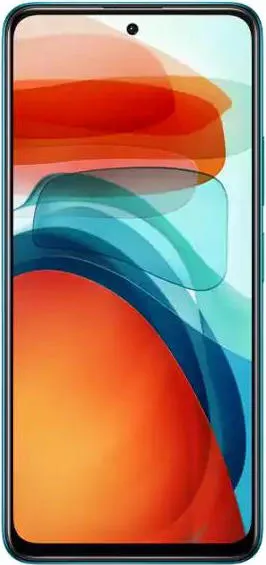
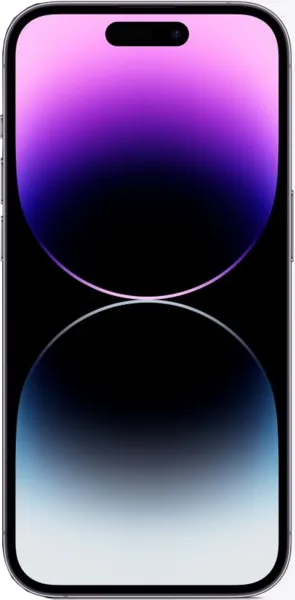
Alright, let's dive into a detailed comparison of the Xiaomi Poco X3 GT and the Apple iPhone 14 Pro. These two phones represent very different approaches to smartphone design and user experience, and understanding those differences is key to figuring out which is right for you. Let's break it down.
1. Specifications Breakdown
Here’s a detailed table comparing key specs, with a focus on their real-world implications:
| Feature | Xiaomi Poco X3 GT | Apple iPhone 14 Pro | Real-World Implications |
|---|---|---|---|
| Design | |||
| Dimensions | 163.3 × 75.9 × 8.9 mm | 147.5 × 71.5 × 7.9 mm | Poco is larger and thicker; iPhone is more pocketable. |
| Weight | 193g | 206g | Poco is slightly lighter, but both are comfortable to hold. |
| Build | Gorilla Glass Victus | Unknown | Poco offers excellent scratch resistance; iPhone's screen protection is unknown. |
| Display | |||
| Size | 6.6" | 6.1" | Poco has a larger screen, better for media consumption; iPhone is more compact. |
| Resolution | 1080x2400 | 1179x2556 | iPhone has a higher resolution, resulting in sharper text and images. |
| Pixel Density (PPI) | 399 | 460 | iPhone's display is noticeably sharper with higher PPI. |
| Technology | IPS LCD | OLED | iPhone offers richer colors, deeper blacks, and better contrast than the Poco. |
| Refresh Rate | 120Hz | 120Hz | Both offer smooth scrolling and animations. |
| Brightness | 0 nits | 2000 nits | iPhone has superior visibility in bright sunlight, Poco has no stated nits. |
| Performance | |||
| Chipset | Mediatek Dimensity 1100 (6 nm) | Apple A16 Bionic (4 nm) | iPhone's chip is significantly more powerful, offering faster processing, and smoother gaming |
| AnTuTu Score | 745,283 | 1,474,011 | iPhone demonstrates nearly twice the raw performance, indicating greater speed for everyday usage. |
| GPU | Mali-G77 MC9 | Apple 5-core GPU | iPhone’s GPU handles graphically intensive tasks more efficiently. |
| Camera | |||
| Main Camera | 64MP f/1.79 (1/2") | 48MP f/1.78 (1/1.3") | iPhone has a larger sensor and wider aperture, capturing more light for better low-light shots. |
| Selfie Camera | 16MP f/2.45 | 12MP f/1.9 | iPhone has a wider aperture for better low light selfies. |
| Telephoto Lens | None | 12MP f/2.8 | iPhone has a dedicated telephoto lens for optical zoom, the Poco does not have this. |
| Wide Angle Lens | None | 12MP f/2.2 | iPhone has a dedicated ultra-wide lens for expanded perspective shots, the Poco does not have this. |
| Video Recording | 4K@30fps | 4K@60fps with HDR | iPhone offers higher quality video with HDR, and better image stabilization. |
| Battery Life | |||
| Capacity | 5000mAh | 3200mAh | Poco has a significantly larger battery, which could mean longer battery life. |
| Charging | 67W Fast Charging | 20W Fast Charging | Poco charges much faster. |
| Wireless Charging | None | 15W MagSafe, 7.5W Qi | iPhone has wireless charging capabilities and fast wireless charging. |
| Software & Other | |||
| Operating System | Android 11 | iOS 16 | Different ecosystems, each with their own strengths and weaknesses. |
| RAM | 8GB | 6GB | Poco has more RAM, which can be better for multitasking. |
| Storage | 128GB/256GB | 128GB/256GB/512GB/1024GB | iPhone has larger storage options. |
| Expandable Storage | No | No | Neither phone offers expandable storage options. |
| Security | Side Fingerprint | Basic Security Features | Poco has a fingerprint sensor, while the iPhone only states 'basic security features'. |
| Audio Features | Dolby Atmos, Hi-Res Audio, Stereo Speakers | Dolby Atmos, Dolby Digital Plus, DTS/DTS:X, Stereo Speakers | iPhone offers more advanced audio quality and clarity with added features, and microphones. |
2. Key Insights
Xiaomi Poco X3 GT:
- Strengths:
- Large Display: The 6.6" screen is excellent for media consumption and gaming.
- Fast Charging: 67W charging is incredibly fast, reducing downtime.
- Large Battery: The 5000 mAh battery provides long usage times.
- Side Mounted Fingerprint Scanner Offers practical biometric security.
- Competitive Advantages:
- The Poco X3 GT stands out with its larger battery, faster charging speeds, and a larger display. These are key strengths that target users looking for excellent media and gaming performance without a need for advanced camera functionality.
- Trade-offs & Limitations:
- The IPS LCD screen doesn't match the contrast and vibrancy of the iPhone's OLED.
- The camera lacks a dedicated telephoto and ultrawide lens.
- The chipset performance is significantly lower than the A16.
Apple iPhone 14 Pro:
- Strengths:
- Top-Tier Performance: The A16 Bionic chip offers incredible speed and efficiency.
- Excellent Camera System: The advanced camera setup excels in a wide range of conditions with it's large sensor and dedicated lenses.
- Superior Display: The OLED screen with ProMotion offers exceptional colors, brightness, and fluidity.
- Wireless Charging: With MagSafe 15W and 7.5W Qi charging.
- Competitive Advantages:
- The iPhone 14 Pro excels in overall performance, display quality, and camera capabilities. Its competitive edge comes from the seamless integration of hardware and software, providing a premium experience.
- Trade-offs & Limitations:
- It has a smaller battery and slower wired charging compared to the Poco X3 GT.
- It is the more expensive option.
- It does not have a fingerprint sensor.
3. User Profiles and Recommendations
- Xiaomi Poco X3 GT:
- Best Suited For: Mobile gamers, media consumers, and budget-conscious users.
- Use Cases: Watching videos, playing games, and users who are on the go with long battery usage.
- Apple iPhone 14 Pro:
- Best Suited For: Professionals, content creators, and users who demand top-tier performance and camera quality.
- Use Cases: High-end gaming, professional photography and videography, and users deeply invested in the Apple ecosystem.
4. Buying Decision Framework
Three practical questions to help users decide:
- What is your primary use case? (Gaming, photography, productivity, etc.)
- What is your budget? (Are you willing to pay a premium for top-tier performance?)
- What kind of ecosystem are you invested in? (Android or iOS?)
Scenario-based recommendations:
- Budget Gamers & Media Enthusiasts: If gaming and media consumption is key on a budget, the Poco X3 GT is the better choice for the larger screen, fast charging and better battery.
- Professional Photographers & Videographers: If the camera is the most crucial aspect, the iPhone 14 Pro’s advanced camera system will be more capable.
- Productivity Users & Power Users: For users who value overall performance and a seamless experience, the iPhone 14 Pro is the superior option, assuming price is not a limiting factor.
What would I choose?
If it were me, I would choose the Apple iPhone 14 Pro. Here's why:
As someone who is deeply into tech, and as a journalist, I value not only performance and user experience but also the longevity of the device, particularly when it comes to software updates. The iPhone 14 Pro, with its cutting-edge A16 Bionic chip, is guaranteed to stay ahead in terms of speed and capability, and has a good long term update cycle. I want a device that won't just function great today, but for many years to come. I also value the camera capabilities as I take a lot of photos and videos of different technologies for work.
The Poco X3 GT is undoubtedly a fantastic device at a different price point, offering exceptional value for gaming and media consumption. However, the iPhone 14 Pro's overall quality, display and camera capability and the guaranteed long-term software updates makes it the better fit for my needs. In my personal life, it will also allow me to get creative with photography and videography, so it is what I would choose.
