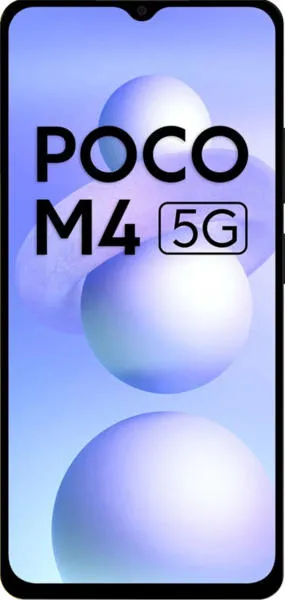

Let's dive into a comparative analysis of the Xiaomi Poco M4 5G and the ZTE nubia Z50S Pro, dissecting their technical specifications and translating them into real-world implications for you.
1. Specifications Breakdown
| Feature | Xiaomi Poco M4 5G | ZTE nubia Z50S Pro | Real-World Implications |
|---|---|---|---|
| Design | |||
| Dimensions (mm) | 164 x 76.1 x 8.9 | 163.9 x 76.3 x 8.3 | Z50S Pro is slightly more compact and thinner. |
| Weight (g) | 200 | 228 | Poco M4 5G is noticeably lighter, reducing hand fatigue during extended use. |
| Build Material | Plastic | Glass/Metal | Z50S Pro offers a more premium feel and potentially better durability. |
| Display | |||
| Type | IPS LCD | AMOLED | Z50S Pro boasts richer colors, deeper blacks, and better power efficiency. |
| Size | 6.58" | 6.8" | Z50S Pro offers a larger screen for more immersive content consumption. |
| Resolution | 1080 x 2408 | 1260 x 2800 | Z50S Pro has a sharper display with higher pixel density, resulting in crisper text and images. |
| Refresh Rate | 90Hz | 120Hz | Z50S Pro provides smoother scrolling and animations, enhancing the overall user experience. |
| Performance | |||
| Chipset | Dimensity 700 | Snapdragon 8+ Gen 2 | Z50S Pro significantly outperforms in processing power, enabling demanding tasks and gaming. |
| CPU | Octa-core (2.2 GHz) | Octa-core (3.36 GHz) | Z50S Pro offers much faster CPU performance, leading to quicker app launches and smoother multitasking. |
| RAM | 4/6GB | 12/16GB | Z50S Pro offers substantially more RAM, allowing for seamless multitasking and background app retention. |
| Storage | 64/128GB | 256GB-1TB | Z50S Pro provides significantly more storage for apps, photos, and videos. |
| Camera | |||
| Main Camera | 50MP | 64MP (35mm equiv.) + 50MP ultrawide + 8MP telephoto | Z50S Pro boasts a versatile triple-camera system with a unique 35mm main lens and superior low-light capabilities. |
| Selfie Camera | 8MP | 16MP | Z50S Pro likely produces higher-quality selfies. |
| Battery Life | |||
| Capacity | 5000 mAh | 5100 mAh | Similar battery capacities, but Z50S Pro's AMOLED display could contribute to better overall battery life. |
2. Key Insights
The Xiaomi Poco M4 5G is a budget-friendly device prioritizing affordability and essential features. It's suitable for everyday tasks like browsing, social media, and casual gaming.
The ZTE nubia Z50S Pro, on the other hand, is a flagship contender. Its powerful Snapdragon 8+ Gen 2 processor, ample RAM, and high-refresh-rate AMOLED display deliver a premium user experience. The camera system, with its unique 35mm main lens, promises exceptional photographic capabilities.
3. User Profiles and Recommendations
Poco M4 5G: Budget-conscious users, students, or anyone seeking a reliable device for basic tasks.
Z50S Pro: Power users, mobile gamers, photography enthusiasts, or those who demand top-tier performance and features.
4. Buying Decision Framework
- What's your budget? The Poco M4 5G is significantly cheaper.
- What are your primary use cases? Basic tasks vs. demanding applications and gaming.
- How important is camera quality? The Z50S Pro offers a vastly superior camera system.
My Choice
If I were choosing between these two, I'd go for the ZTE nubia Z50S Pro. While it's more expensive, the significant performance upgrade, superior camera system, beautiful AMOLED display, and ample RAM and storage make it a compelling package. The 35mm equivalent main camera lens intrigues me as a photography enthusiast. I value a smooth and responsive user experience, and the Z50S Pro's powerful hardware and high refresh rate display deliver that in spades. While the Poco M4 5G is a solid budget option, the Z50S Pro represents a worthwhile investment for a long-lasting, future-proof device. The jump in overall experience justifies the price difference for me.
