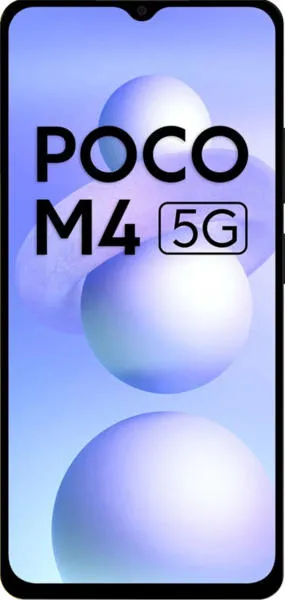
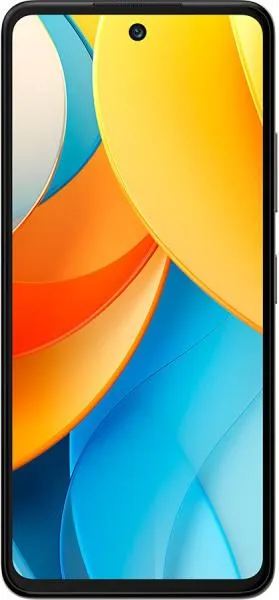
Xiaomi Poco M4 5G vs. ZTE Blade V60 Design: A Comparative Analysis
Let's dive into a detailed comparison of the Xiaomi Poco M4 5G and the ZTE Blade V60 Design, dissecting their specifications and uncovering what they truly offer in terms of real-world performance.
1. Specifications Breakdown
| Feature | Xiaomi Poco M4 5G | ZTE Blade V60 Design | Real-World Implications |
|---|---|---|---|
| Design | |||
| Dimensions (mm) | 164 x 76.1 x 8.9 | 164.2 x 75.3 x 8.6 | Virtually identical in size and feel. |
| Weight (g) | 200 | 198 | Negligible difference in weight; both feel substantial without being overly heavy. |
| Build Materials | Plastic | Plastic (assumed) | Expect similar durability and a less premium feel compared to glass or metal designs. |
| Display | |||
| Size (inches) | 6.58 | 6.6 | Negligible difference; both offer ample screen real estate. |
| Resolution | 1080 x 2408 | 720 x 1612 | Poco M4 5G offers significantly sharper visuals due to higher resolution (401 ppi vs. 267 ppi). |
| Refresh Rate | 90Hz | 90Hz | Both provide smooth scrolling and animations for a fluid user experience. |
| Display Type | IPS LCD | IPS LCD | Expect similar color accuracy and viewing angles. Poco M4 5G likely brighter with 500 nits (HBM) |
| Performance | |||
| Chipset | Dimensity 700 | Unisoc T606 | Dimensity 700 generally offers better performance and efficiency in benchmarks. |
| CPU | Octa-core (2x2.2 GHz Cortex-A76 & 6x2.0 GHz Cortex-A55) | Octa-core (2x1.6 GHz Cortex-A75 & 6x1.6 GHz Cortex-A55) | Poco M4 5G has faster core speeds, leading to potentially smoother multitasking and demanding applications. |
| GPU | Mali-G57 MC2 | Mali-G57 MP1 | While both use Mali GPUs, the MC2 in the Poco M4 5G might offer slightly improved graphics performance. |
| RAM | 4/6GB | 4/6GB | RAM options are equivalent, affecting multitasking capabilities. |
| Camera | |||
| Main Camera | 50MP | 50MP | Megapixel count is the same; image quality will depend on sensor size, aperture, and processing. |
| Front Camera | 5MP | 8MP | ZTE Blade V60 Design boasts a higher resolution front camera for potentially better selfies. |
| Battery Life | |||
| Capacity | 5000mAh | 5000mAh | Identical battery capacity; actual battery life depends on usage and optimization. |
2. Key Insights
- Display Quality: The Poco M4 5G's significantly higher resolution display is a major differentiator. You'll notice sharper text, clearer images, and a more pleasing visual experience compared to the Blade V60 Design.
- Performance: The Dimensity 700 in the Poco M4 5G edges out the Unisoc T606 in terms of raw processing power. While both phones can handle everyday tasks, the Poco M4 5G should provide smoother performance in demanding apps and games.
- Camera: While both phones sport a 50MP main camera, real-world image quality will depend on factors beyond megapixels. The Blade V60 Design, however, offers a higher resolution front-facing camera, potentially advantageous for selfie enthusiasts.
- Price: The ZTE Blade V60 Design is positioned in the "low price" range, while the Poco M4 5G falls into the "medium price" bracket. This price difference is a key consideration when evaluating the overall value proposition.
3. User Profiles and Recommendations
- Poco M4 5G: Suited for users who prioritize a sharp display and smoother performance, even for moderately demanding tasks like gaming or content creation. The higher price is justified by these advantages.
- ZTE Blade V60 Design: Ideal for budget-conscious users who prioritize affordability and essential smartphone features. It's suitable for everyday communication, social media, and light content consumption. Selfie takers might appreciate the higher resolution front camera.
4. Buying Decision Framework
- What's your budget? If price is a major constraint, the Blade V60 Design is the more affordable option.
- How important is display quality? If a crisp, sharp display is a priority, the Poco M4 5G's higher resolution screen is a clear winner.
- What kind of performance do you need? For smoother multitasking and better performance in demanding applications, the Poco M4 5G is the better choice.
My Choice: I would choose the Xiaomi Poco M4 5G. While the ZTE Blade V60 Design offers compelling value for its price, I prioritize display quality and consistent performance. The sharper screen and more powerful processor of the Poco M4 5G significantly enhance the overall user experience and justify the slightly higher cost. The difference in resolution is substantial and would impact my daily usage more than the minor advantages the Blade V60 Design offers in other areas. In the long run, I believe the Poco M4 5G would provide a more satisfying and future-proof mobile experience.
