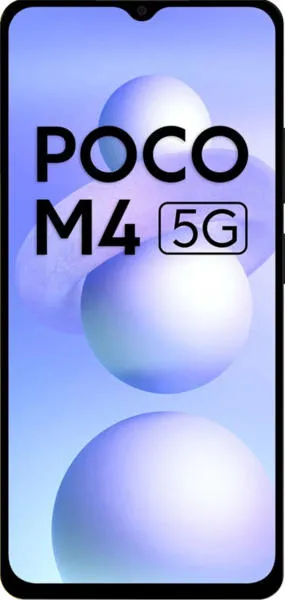
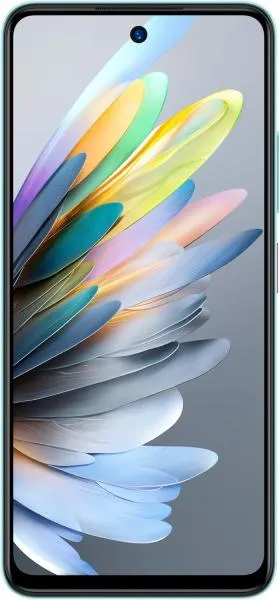
Xiaomi Poco M4 5G vs. ZTE Blade A75 4G: A Comparative Analysis
Hello, fellow tech enthusiasts! Today, we're diving deep into a comparative analysis of the Xiaomi Poco M4 5G and the ZTE Blade A75 4G. Let's dissect their specs and see how they translate to real-world performance.
1. Specifications Breakdown
| Feature | Xiaomi Poco M4 5G | ZTE Blade A75 4G | Real-World Implications |
|---|---|---|---|
| Design | |||
| Dimensions (mm) | 164 x 76.1 x 8.9 | 164.1 x 75.8 x 8.6 | Virtually identical in size and feel. |
| Weight (g) | 200 | 189 | Negligible difference in weight; both comfortable for one-handed use. |
| Display | |||
| Size (inches) | 6.58 | 6.6 | Similar screen real estate for media consumption. |
| Resolution | 1080 x 2408 | 720 x 1612 | Poco M4 boasts significantly sharper visuals due to higher pixel density (401 vs 267 ppi). |
| Refresh Rate (Hz) | 90 | 90 | Both offer smooth scrolling and animations. |
| Display Type | IPS LCD | IPS LCD | Expect vibrant colors and good viewing angles, though not as rich as AMOLED. |
| Performance | |||
| Chipset | Dimensity 700 5G | Unisoc T606 4G | Poco M4's Dimensity 700 offers better overall performance and 5G connectivity. |
| CPU | Octa-core | Octa-core | While both are octa-core, the Dimensity 700 has higher clock speeds and a more powerful architecture. |
| GPU | Mali-G57 MC2 | Mali-G57 MP1 | Poco M4 should handle graphically demanding tasks slightly better. |
| RAM | 4/6GB | 4/8GB | Both offer ample RAM for multitasking, though higher RAM variants on both improve performance. |
| Camera | |||
| Main Camera (MP) | 50 | 50 | Comparable main camera resolution; image quality will depend on sensor and software processing. |
| Selfie Camera (MP) | 8 | 8 | Similar selfie camera resolution. |
| Battery Life | |||
| Capacity (mAh) | 5000 | 5000 | Both have large batteries promising all-day endurance. |
2. Key Insights
The Xiaomi Poco M4 5G stands out with its superior display resolution, offering a noticeably sharper viewing experience. Its Dimensity 700 chipset also provides a performance edge, especially for gaming and demanding applications, plus it offers future-proof 5G connectivity.
The ZTE Blade A75 4G, while less powerful, could appeal to budget-conscious users prioritizing affordability. Its larger RAM option (8GB) might provide smoother multitasking for specific user scenarios, but the lower resolution display is a significant trade-off.
3. User Profiles and Recommendations
Poco M4 5G: Ideal for users who value performance, a sharp display, and 5G connectivity. Gamers, multimedia enthusiasts, and those future-proofing their device would find this a compelling option.
ZTE Blade A75 4G: Suitable for budget-conscious users primarily using their phones for basic tasks like calling, texting, browsing, and social media. The larger RAM variant might appeal to users who frequently multitask with less demanding apps.
4. Buying Decision Framework
- Is 5G connectivity essential for you? If yes, the Poco M4 5G is the only option.
- What's your budget? The ZTE Blade A75 4G offers a lower entry price.
- Do you prioritize display quality and overall performance? If so, the Poco M4 5G's sharper screen and more powerful processor are significant advantages.
My Choice: The Xiaomi Poco M4 5G
If I were choosing between these two, I'd opt for the Xiaomi Poco M4 5G. While the ZTE Blade A75 4G offers a tempting price, the significantly better display and performance of the Poco M4 5G, coupled with 5G future-proofing, make it a more compelling long-term investment. The difference in price is worth the superior user experience, especially considering the importance of a sharp display and smooth performance in today's mobile landscape. I value having a phone that can handle demanding tasks and provide a visually enjoyable experience, and the Poco M4 5G delivers on both fronts.
