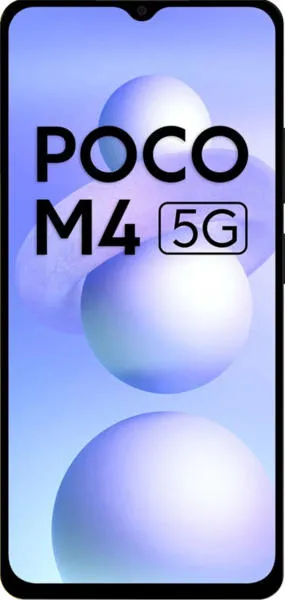

Xiaomi Poco M4 5G vs. Xiaomi Redmi Note 13 Pro+: A Deep Dive
Hello fellow tech enthusiasts! Today, we're dissecting two compelling contenders in the mid-range smartphone arena: the Xiaomi Poco M4 5G and the Xiaomi Redmi Note 13 Pro+. Let's cut through the marketing fluff and see how these devices stack up in the real world.
1. Specifications Breakdown
| Feature | Xiaomi Poco M4 5G | Xiaomi Redmi Note 13 Pro+ | Real-World Implications |
|---|---|---|---|
| Design | |||
| Dimensions (mm) | 164 x 76.1 x 8.9 | 161.4 x 74.2 x 8.9 | Note 13 Pro+ is slightly more compact. |
| Weight (g) | 200 | 199 | Negligible weight difference. |
| Display | |||
| Type | IPS LCD | AMOLED | Note 13 Pro+ offers richer colors, deeper blacks, and better power efficiency. |
| Size | 6.58" | 6.67" | Note 13 Pro+ has a slightly larger screen. |
| Resolution | 1080 x 2408 | 1220 x 2712 | Note 13 Pro+ boasts significantly sharper visuals. |
| Refresh Rate | 90Hz | 120Hz | Note 13 Pro+ provides smoother scrolling and animations. |
| Performance | |||
| Chipset | Dimensity 700 (7nm) | Dimensity 7200 Ultra (4nm) | Note 13 Pro+ offers substantially faster processing and improved power efficiency. |
| CPU | Octa-core | Octa-core | Note 13 Pro+ has a more powerful CPU architecture, leading to better performance in demanding tasks. |
| GPU | Mali-G57 MC2 | Mali-G610 MC4 | Note 13 Pro+ offers significantly better graphics performance for gaming and media consumption. |
| RAM | 4/6GB | 8/12/16GB | Note 13 Pro+ offers more RAM for smoother multitasking. |
| Camera | |||
| Main Camera | 50MP | 200MP | Note 13 Pro+ offers higher resolution and potentially more detail in photos (depending on processing). |
| Selfie Camera | 8MP | 16MP | Note 13 Pro+ has a higher resolution selfie camera. |
| Video | 1080p@30fps | 4K@30fps | Note 13 Pro+ can record video at a much higher resolution. |
| Battery Life | |||
| Capacity | 5000mAh | 5000mAh | Similar battery capacity, but the Note 13 Pro+'s efficient chip may lead to longer battery life. |
2. Key Insights
The Redmi Note 13 Pro+ significantly outperforms the Poco M4 5G in almost every aspect. Its superior AMOLED display, powerful Dimensity 7200 Ultra chipset, higher RAM capacity, and impressive 200MP camera make it a clear winner in terms of raw specifications. The Poco M4 5G, while offering 5G connectivity and a decent battery, falls behind in processing power, display quality, and camera capabilities.
3. User Profiles and Recommendations
Poco M4 5G: Best suited for budget-conscious users who prioritize 5G connectivity and basic smartphone functionality. Ideal for light tasks like browsing, social media, and casual photography.
Redmi Note 13 Pro+: Ideal for users seeking a well-rounded, performance-oriented device with a stunning display, excellent camera, and smooth multitasking capabilities. Perfect for mobile gaming, content creation, and demanding applications.
4. Buying Decision Framework
- What is your budget? The Poco M4 5G is a more affordable option.
- What are your primary smartphone needs? For basic tasks, the Poco M4 5G suffices; for demanding tasks and multimedia consumption, the Note 13 Pro+ excels.
- How important is display quality and camera performance? The Note 13 Pro+ significantly outshines the Poco M4 5G in these areas.
My Choice: I would choose the Redmi Note 13 Pro+. While the Poco M4 5G is a decent budget option, the Note 13 Pro+ offers a significant leap in performance, display, and camera capabilities that justifies the price difference. The superior AMOLED screen, faster processor, and higher RAM would enhance my daily workflow and entertainment experience. As a tech journalist, having a device capable of handling demanding tasks and capturing high-quality photos and videos is crucial. The Note 13 Pro+ delivers on all fronts.
