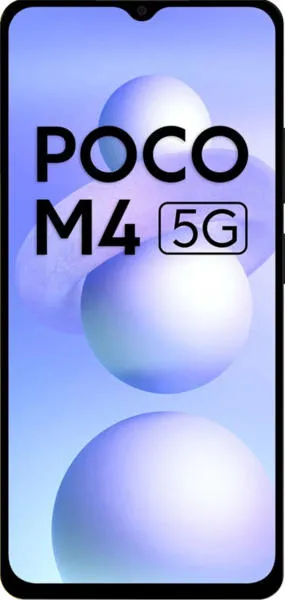
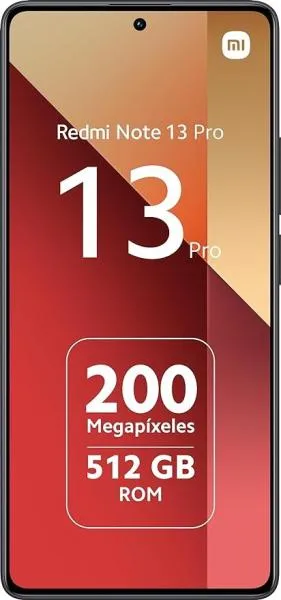
Xiaomi Poco M4 5G vs. Xiaomi Redmi Note 13 Pro 4G: A Deep Dive
Let's dissect the Xiaomi Poco M4 5G and the Redmi Note 13 Pro 4G, two compelling mid-range contenders, to see which one comes out on top.
1. Specifications Breakdown
| Feature | Xiaomi Poco M4 5G | Xiaomi Redmi Note 13 Pro 4G | Real-World Implications |
|---|---|---|---|
| Design | |||
| Dimensions | 164 x 76.1 x 8.9 mm | 161.1 x 75 x 8 mm | Note 13 Pro is slightly more compact and potentially pocketable |
| Weight | 200g | 188g | Note 13 Pro feels lighter in hand |
| Display | |||
| Type | IPS LCD, 90Hz | AMOLED, 120Hz | Note 13 Pro offers richer colors, deeper blacks, and smoother scrolling |
| Size | 6.58" | 6.67" | Note 13 Pro has a slightly larger screen |
| Resolution | 1080 x 2408 | 1080 x 2400 | Virtually identical sharpness |
| Brightness | 500 nits (HBM) | Up to 1300 nits (peak) | Note 13 Pro boasts significantly better outdoor visibility |
| Performance | |||
| Chipset | Dimensity 700 | Helio G99 Ultra | Both offer comparable mid-range performance, though benchmarks would clarify potential differences |
| CPU | Octa-core (2x2.2 GHz A76 & 6x2.0 GHz A55) | Octa-core (2x2.2 GHz A76 & 6x2.0 GHz A55) | Similar CPU architecture suggests comparable processing power but G99 Ultra may have optimizations |
| GPU | Mali-G57 MC2 | Mali-G57 MC2 | Identical GPUs,expect similar graphics capabilities |
| RAM | 4/6GB | 8/12GB | Note 13 Pro offers more RAM for smoother multitasking |
| OS | Android 12 | Android 13 | Note 13 Pro comes with a newer OS and potentially longer software support |
| Camera | |||
| Main Sensor | 50MP | 200MP | Note 13 Pro boasts a significantly higher resolution main sensor |
| Features | Basic | OIS, Slow-mo 240fps | Note 13 Pro offers more advanced camera features |
| Battery Life | |||
| Capacity | 5000mAh | 5000mAh | Similar battery capacities suggest comparable endurance |
2. Key Insights
The Redmi Note 13 Pro 4G clearly pulls ahead with its superior AMOLED display, offering a more vibrant and responsive visual experience. Its higher RAM options also promise smoother multitasking. However, the Poco M4 5G's trump card is its 5G connectivity, future-proofing it for faster mobile data speeds. The Note 13 Pro's significantly upgraded camera system, especially the massive 200MP main sensor with OIS, should produce noticeably better photos and videos.
3. User Profiles and Recommendations
Poco M4 5G: Ideal for budget-conscious users who prioritize 5G connectivity and solid performance for everyday tasks. A good choice for those who stream a lot of content on the go.
Redmi Note 13 Pro 4G: Best suited for users who value a premium multimedia experience, with a fantastic display, a powerful camera system, and ample RAM for demanding apps and gaming. This phone caters to content creators and mobile photographers.
4. Buying Decision Framework
- Is 5G crucial for you right now? If yes, the Poco M4 5G is your only option here.
- Do you prioritize display quality and camera performance? If so, the Redmi Note 13 Pro 4G is the clear winner.
- What's your budget? While both are mid-range, the Note 13 Pro likely commands a higher price due to its superior features.
My Choice: Redmi Note 13 Pro 4G
While I appreciate the future-proofing of 5G, I value the immediate benefits of a stunning AMOLED display, a versatile camera system with OIS, and the extra RAM for a smoother user experience. In my daily workflow, which involves lots of photography and content consumption, the Redmi Note 13 Pro 4G would be a more enjoyable and productive device. The enhanced camera capabilities and superior display are compelling advantages that outweigh the benefits of 5G, especially considering the rapidly expanding 5G infrastructure. The slight price premium for the Note 13 Pro would be a worthwhile investment for the significant upgrade in user experience.
